Literature
An ode to love and landscape



This article explores the lives and works of some of the most well-known Kashmiri poets, their deep connection with the region, and how their writing continues to shape Kashmiri literature even today. It also compares older poetic styles with modern voices and celebrates the beauty of the language used in Kashmiri poetry
For centuries, Kashmir has inspired poets who used their words to express romance, beauty, and longing. The region’s rich culture has given rise to many beloved poets, especially in the romantic tradition. Their poems still touch hearts across generations.
No journey through Kashmiri poetry can begin without remembering Lal Ded, also known as Laleshwari, a 14th-century mystic poetess. She wrote Vakhs—short spiritual poems, full of divine, love and deep wisdom. Even though her verses are centuries old, they still feel fresh and powerful.
“Tsoliye chukh wuchhun traavum vaatsum,
Wuchhun traavum vuchhum tsoliye chukh.”
(In this garden, the flowers have started to bloom,
Everywhere you look, there is beauty.)
In the 18th century, another iconic poet, Habba Khatoon, known as the Nightingale of Kashmir, became a symbol of emotional and romantic poetry. Her poems often express pain, love, and separation. Habba Khatoon used Kashmir’s beautiful scenery as a metaphor.
“Chenar posh gayi weywaan,
Tsaan zane dardiyom aasi chukh naayi.
Tsaan zane aasi chaenar hund,
Chenar posh gayi weywaan.”
(The Chinar leaves flutter and fall,
Your love’s burden has crushed me to the dust.
Just as these Chinar leaves flutter and fall.)
While Kashmir’s beauty continues to inspire poetry, modern Kashmiri poets also write about the pain and conflict that Kashmir has faced in recent decades. One such poet is Agha Shahid Ali, who blended classical forms like the ghazal with modern themes of loss and longing..
In “A Nostalgist’s Map of America,” he writes:
“Kashmir waari Bharatas,
Kho day kuch toav na soavas.
Noshay chon lay lay lay gas,
Noshay chon lay lay lay gas.”
(Kashmir is a place in India,
There are no things like memories there.
Only the future.
Only the given moment.)
Even as his poems deal with sorrow and exile, they stay connected to the romantic roots of Kashmiri poetry.
Kashmiri poets are known for their beautiful use of language. Their verses are rich in imagery and emotion. The natural beauty of Kashmir—its mountains, rivers, gardens—is often used as a symbol of love, hope, or spiritual reflection.
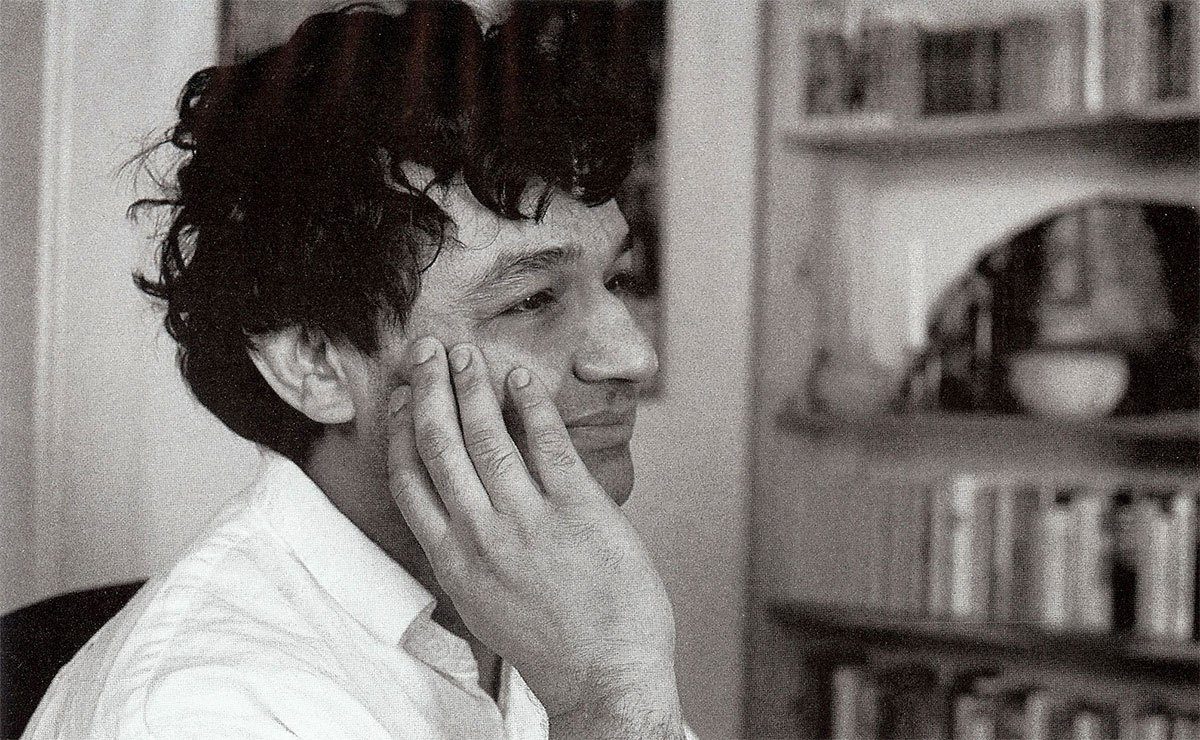

Mahmud Gami, a 19th-century poet, was known for capturing the spirit of Kashmir through his verses. In his famous poem “Tsoliye Chu Khabar Yiwan Manz,” he describes the changing seasons in the valley:
“Veri thulay byuun chukh wuchum,
Bui chu dyutum dyuth byuun.
Ye nund byun thulay thulay,
Nund byun dyuthum dyuth byuun.”
(In the garden, the flowers have started to bloom,
This is the season of joy, the season of happiness.
Everywhere you look, there is beauty.)
Today’s poets like Zareef Ahmad Zareef and Naseem Shafaie carry forward the tradition in new ways. Zareef brings humour and social commentary into his work, adding a fresh voice to the literary scene. His poem “Shaer-e-Zadiye”highlights Kashmir’s cultural richness with wit and wisdom.
Naseem Shafaie, on the other hand, explores deep human emotions, especially through the lens of women’s experiences. In her poem “Yemberzal”, she writes about longing and unfulfilled love against the background of a blooming Kashmiri spring:
“Yemberzal, baharukh phulrun,
Chaayi ne gulo, be wuchhum.
Maayi pans yemberzal tsoli,
Panun kariwaar, panun kariwaar.”
(Yemberzal, the messenger of spring,
Tell her that my eyes long for her,
And the flowers in the garden await her footsteps.)
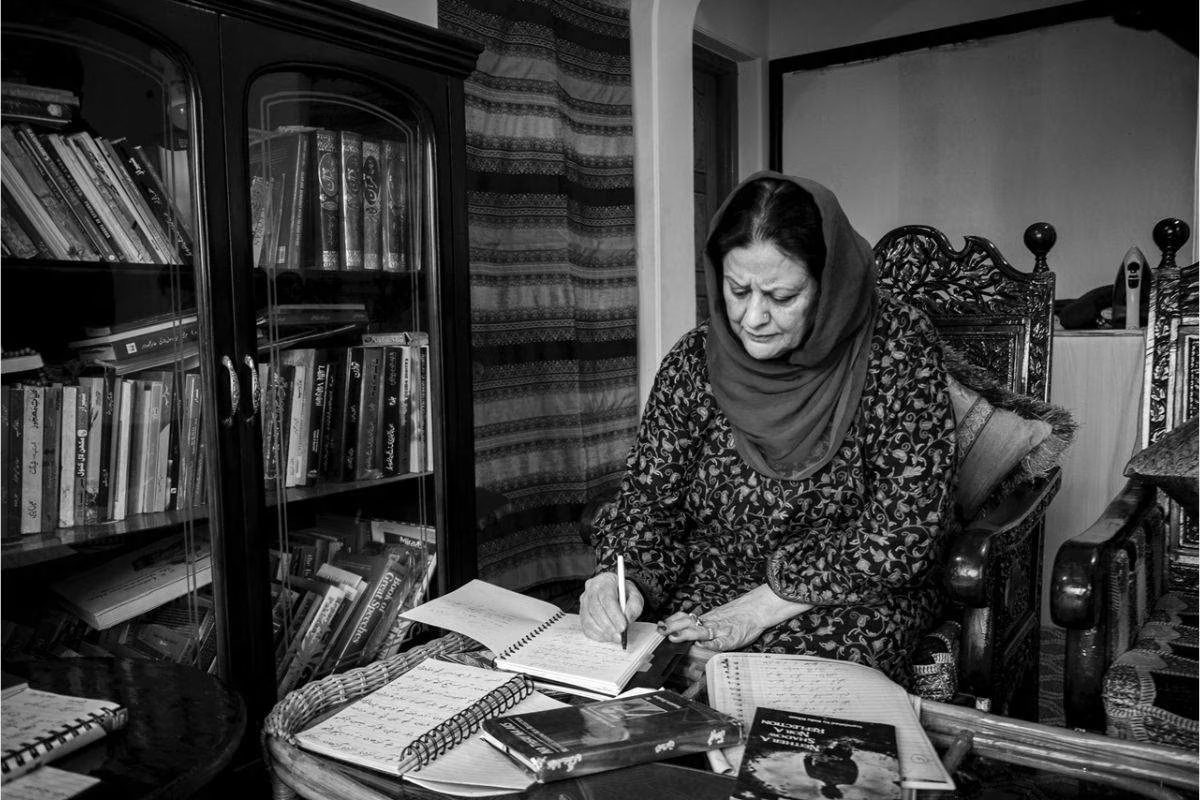

Kashmiri poetry is timeless. It connects past and present, blending traditional themes with modern voices. The poets of Kashmir—both old and new—have built a beautiful literary tradition that shows the culture, nature, and soul of the Valley.
By reading the works of Lal Ded, Habba Khatoon, Agha Shahid Ali, and today’s poets, we enter a world where love, loss, and landscape come together through the power of poetry.