Faith
In Photos: Mourners remember Karbala and renew a stand against falsehood



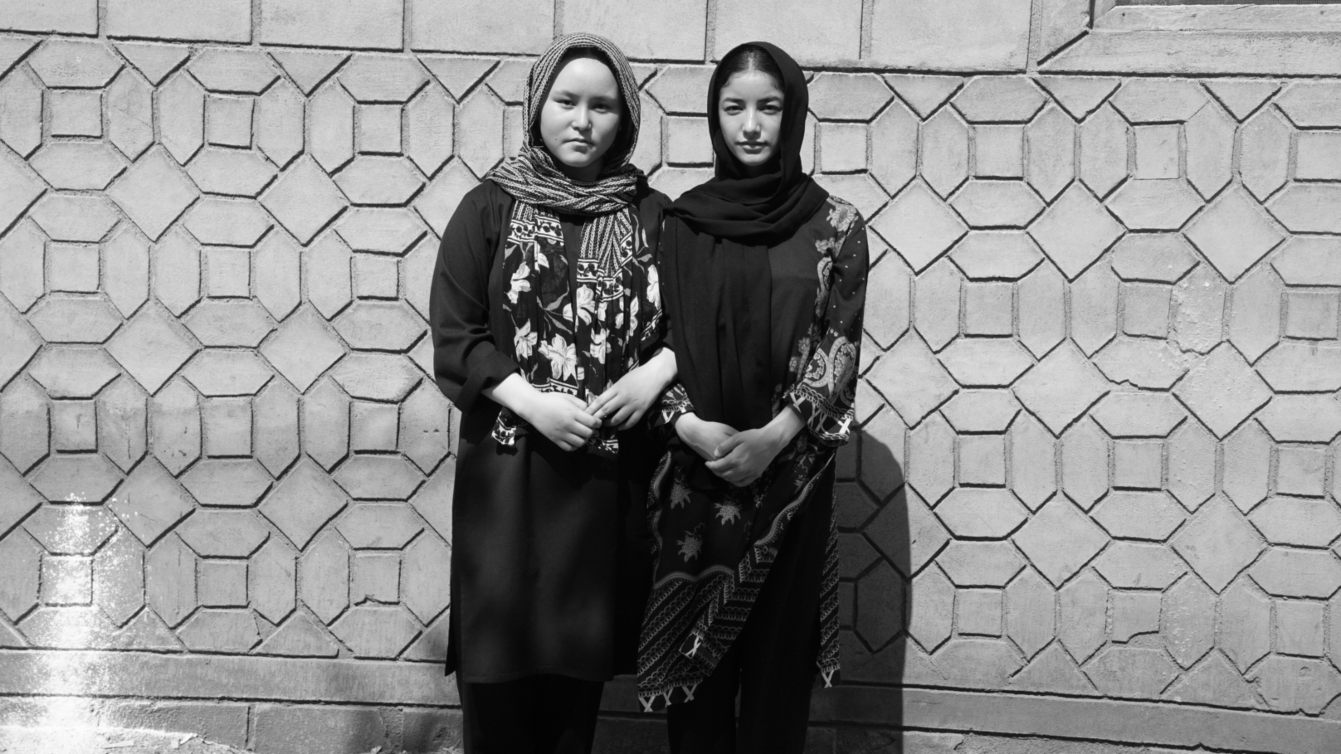
Srinagar: Before sunrise had fully settled over Srinagar on June 26, Fatima Bano and her friends were already on their way to Gulshan Bagh. The student from Ladakh, now living in Rajbagh for her studies, did not want to miss a moment of the preparations for the Muharram procession.
“It’s my first time participating in the Azadari here, the collective mourning ritual to remember the great martyrs. I am very conscious because I don’t want to miss the gathering,” she said.
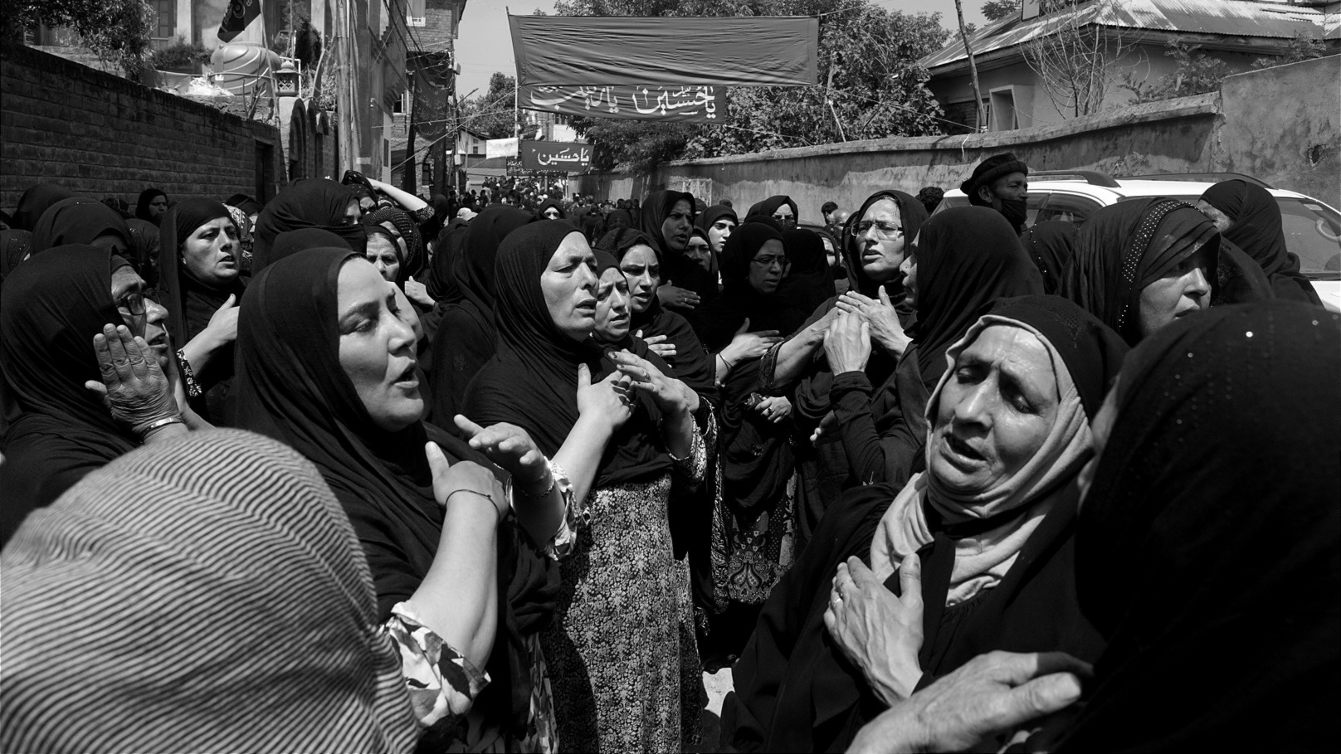
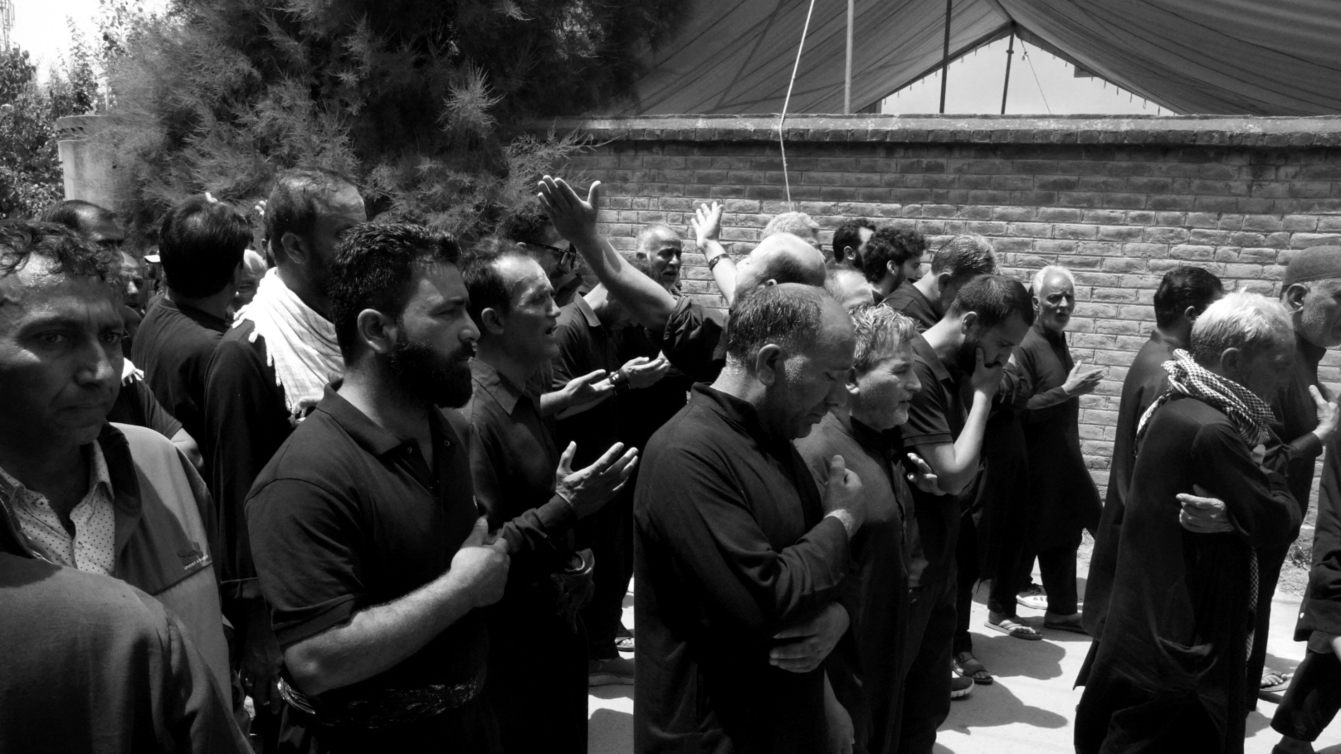
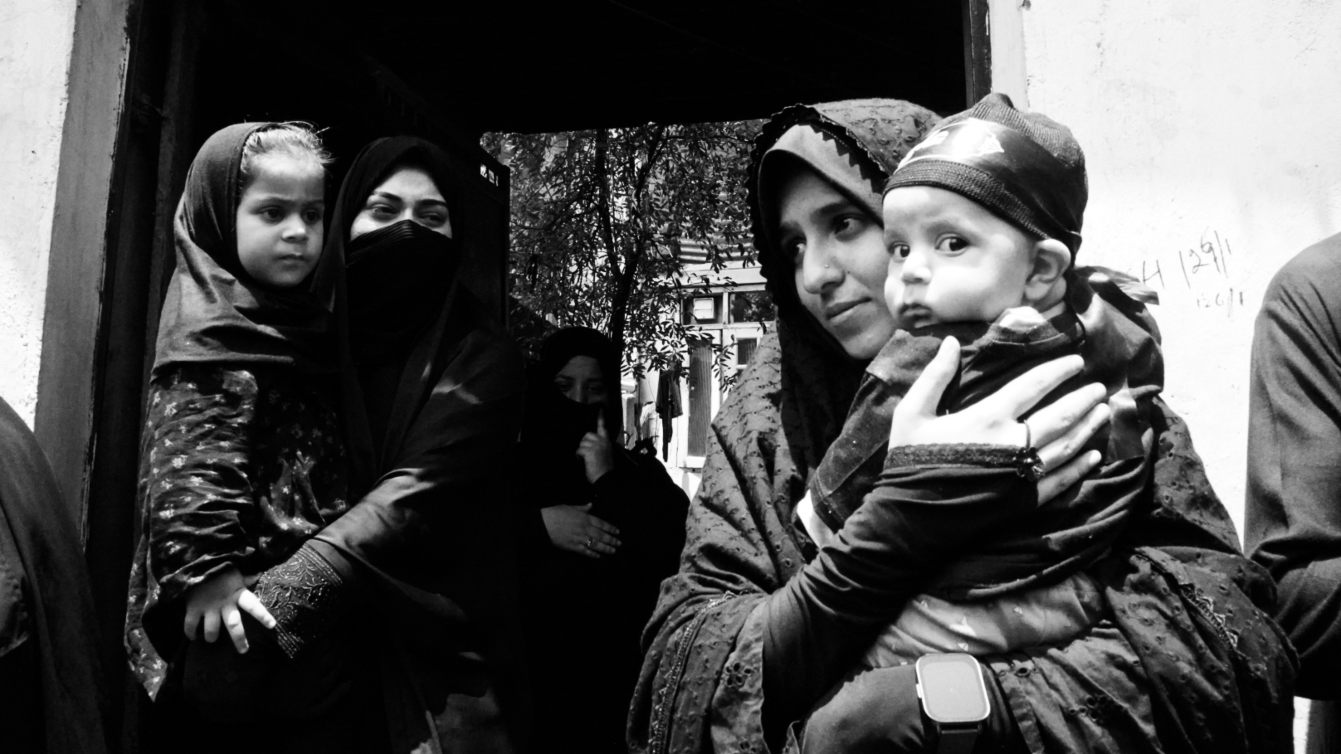
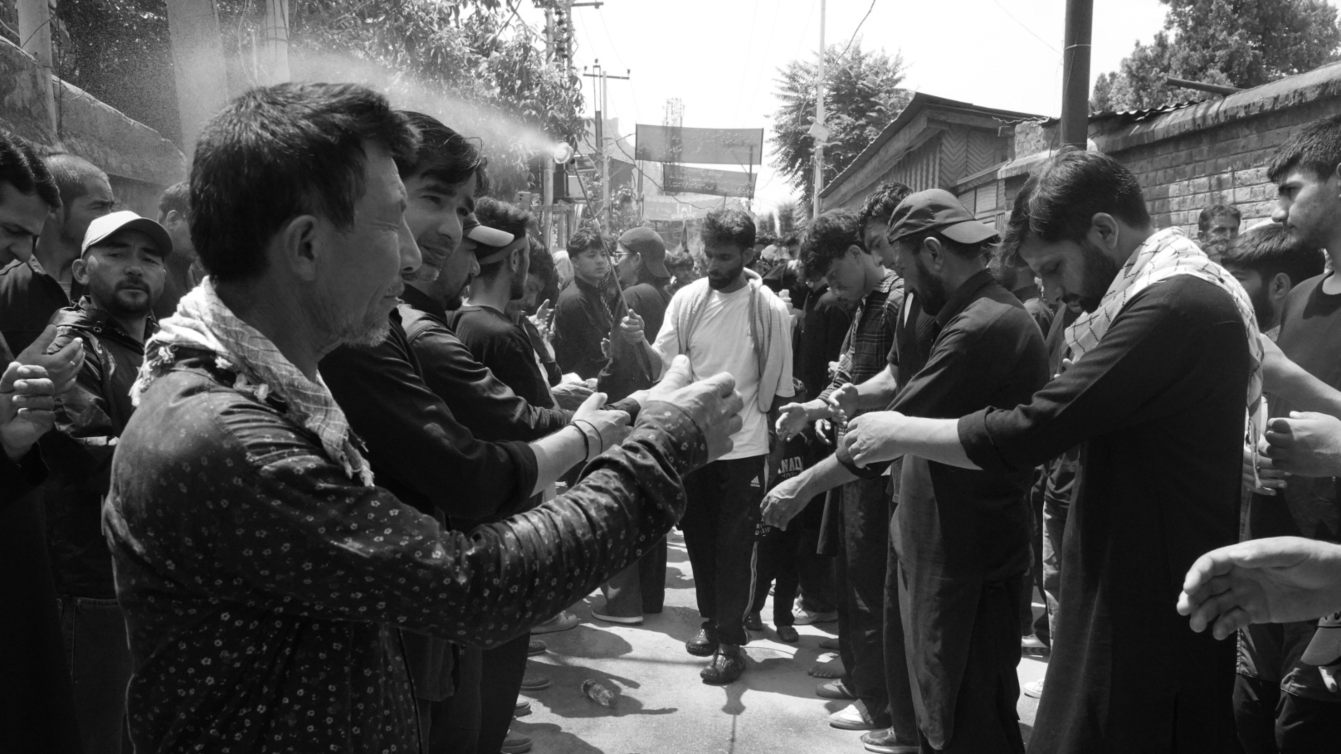
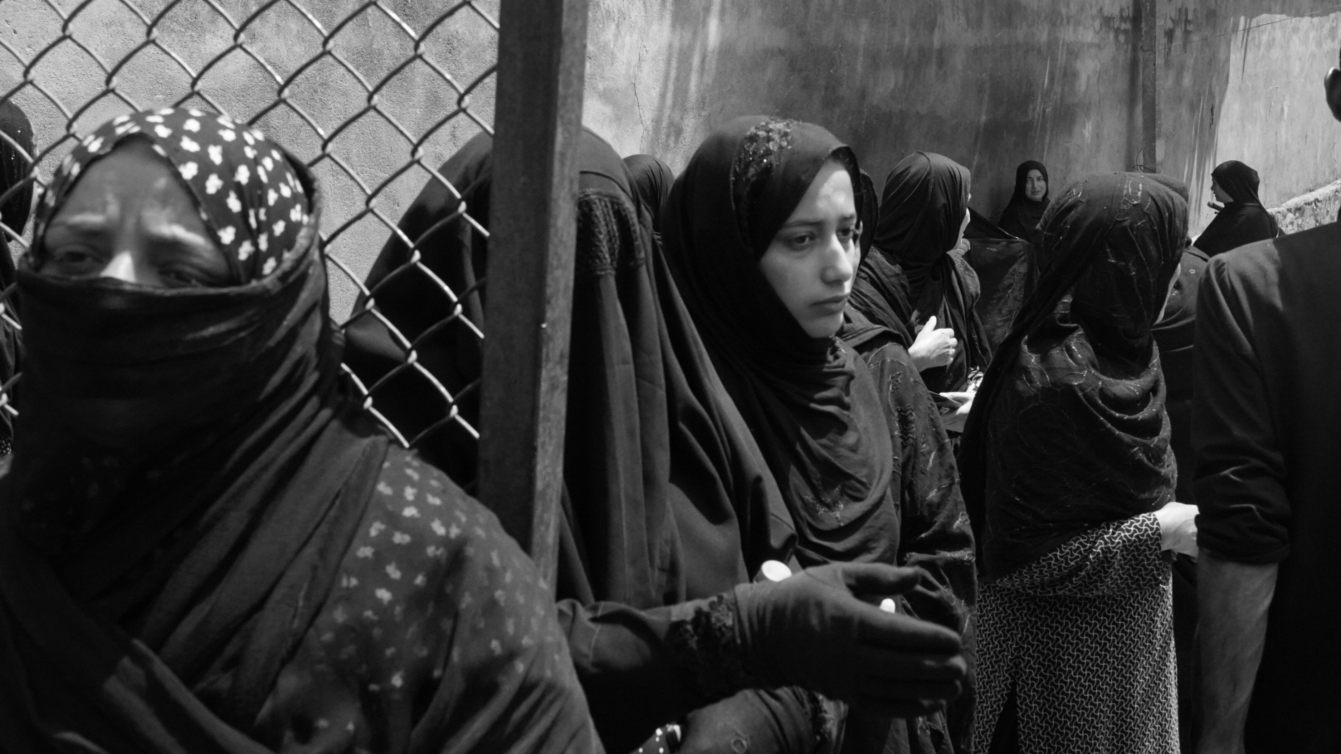
On the 10th day of Muharram, thousands of mourners like Fatima gathered in Srinagar to commemorate the martyrdom of Imam Hussain and his companions in the Battle of Karbala. The city’s streets transformed into corridors of remembrance as men, women and children joined one of Kashmir’s most significant religious processions.
The day began at Gulshan Bagh, where mourners rubbed soil associated with Karbala onto their foreheads, a symbolic gesture of devotion and grief. Water was sprayed into the air as participants moved forward in remembrance of the suffering endured by Imam Hussain’s caravan in the desert plains of Karbala more than thirteen centuries ago.
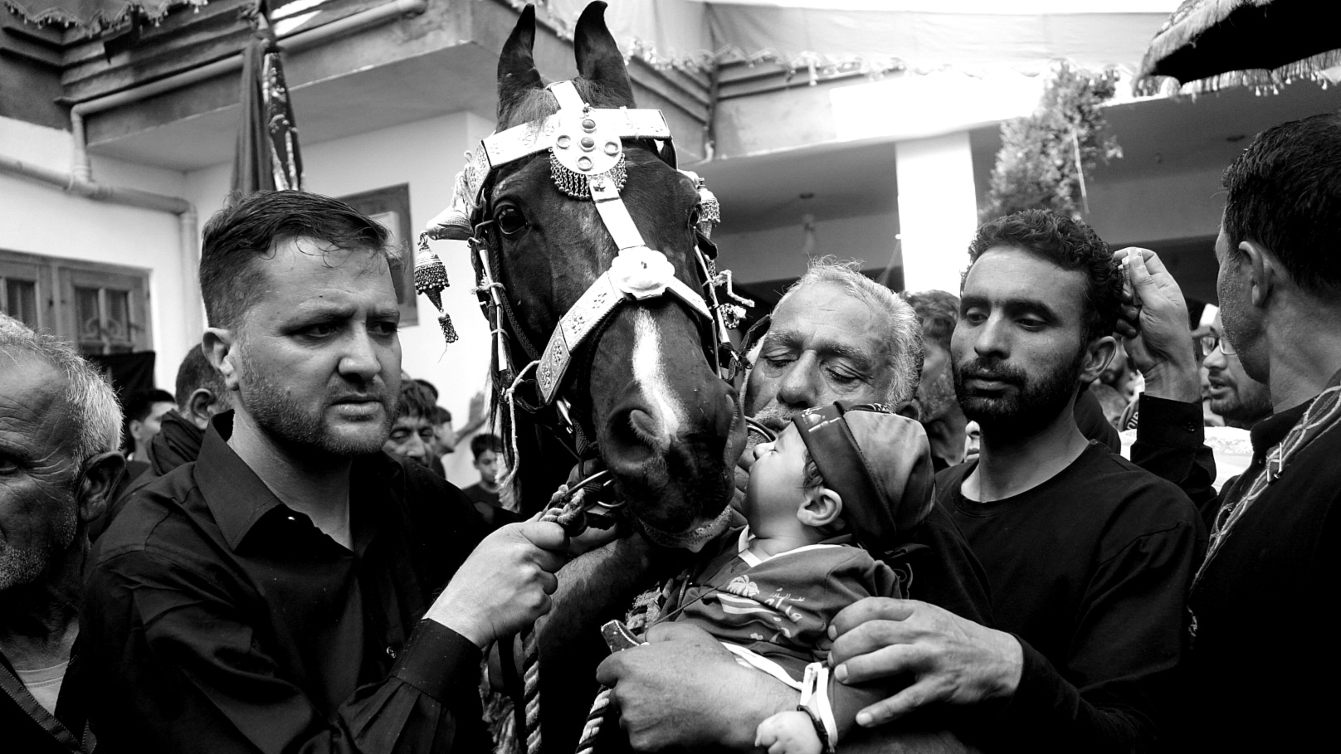
The procession moved from Zero Bridge towards Alamgiri Bazar’s Imambada, where Zuljanah and other religious symbols were prepared and decorated. Security personnel were deployed at multiple locations across Srinagar, while traffic diversions and barricades altered the city’s usual rhythm.
Yet beyond the logistical arrangements, the gathering carried a deeper emotional significance.
At Khamenei Hall, women mourners paused to participate in commemorative rituals before the procession continued towards Imambara Zaidibal by evening. For many participants who had travelled from Ladakh, Kargil, Gulmarg and other regions, Srinagar’s Muharram procession offered an experience shaped by the city’s centuries-old traditions and historic routes.
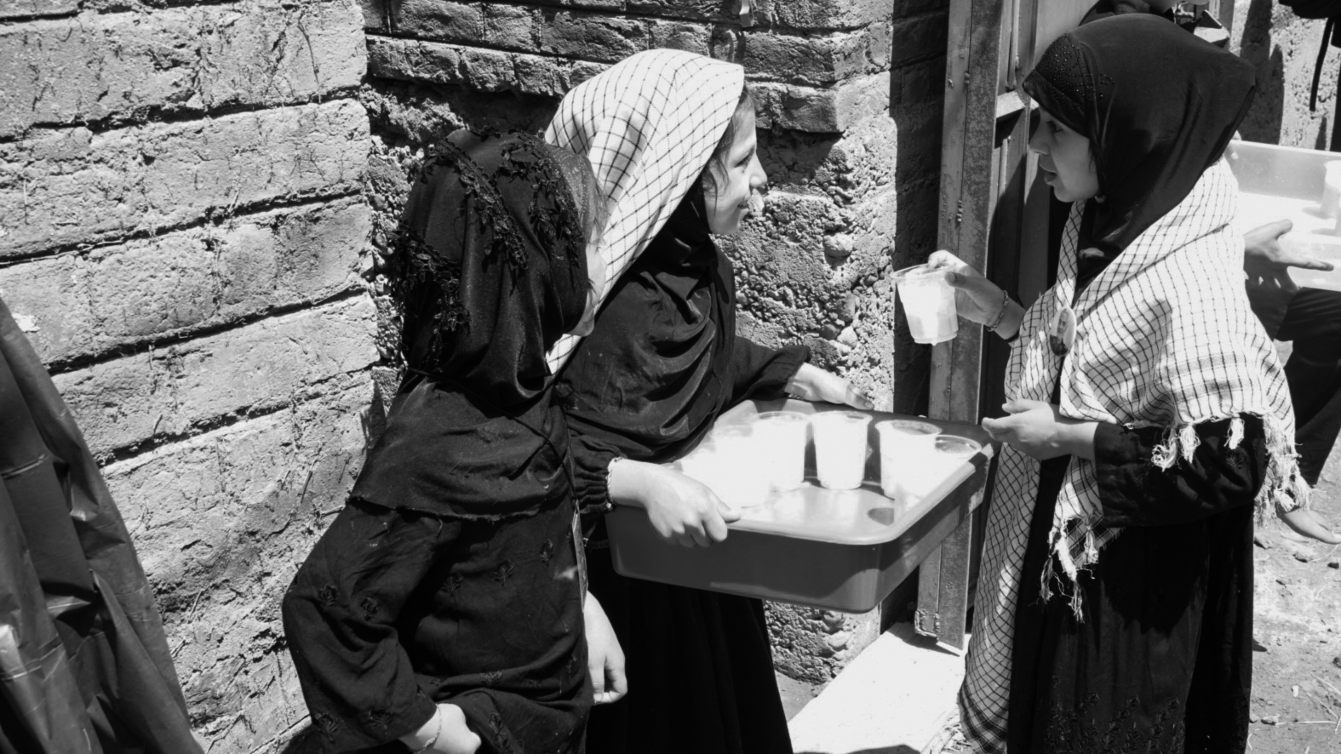
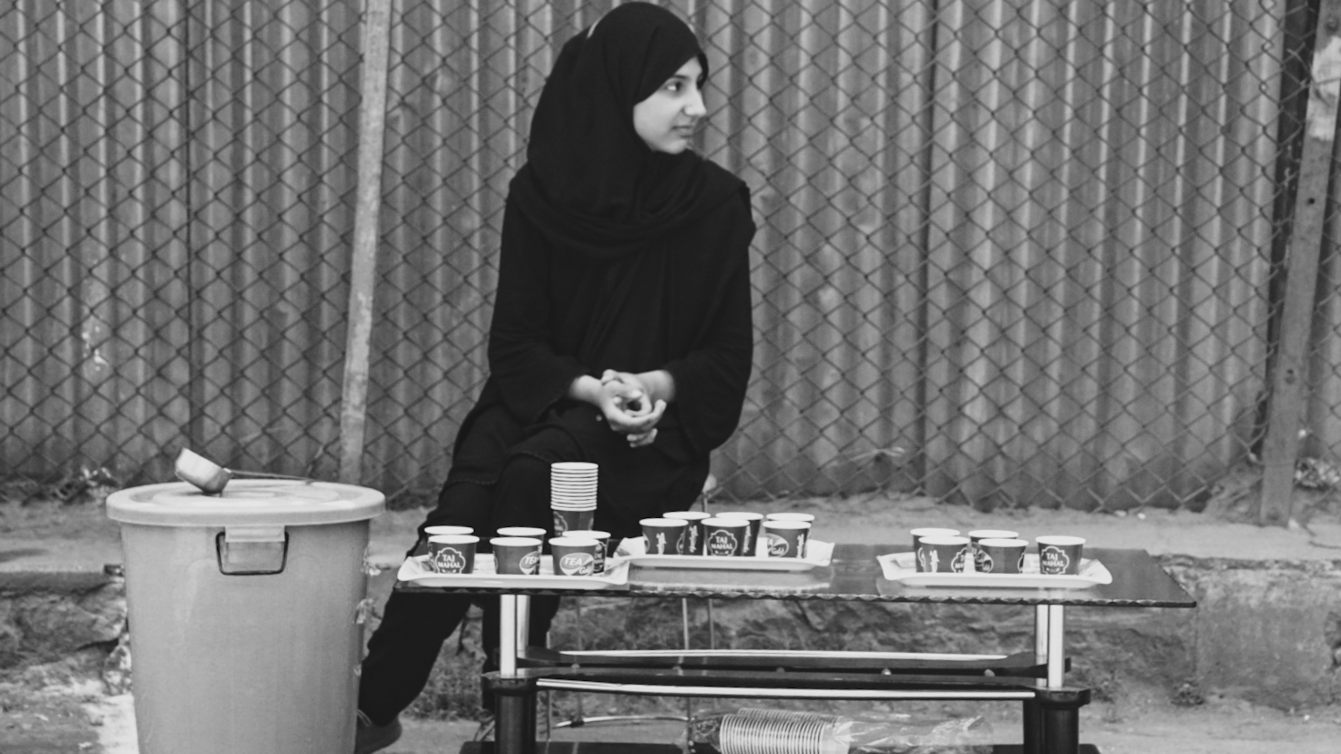
Along the procession route, sabeels distributed water and refreshments to mourners walking under the summer sun.
“After restrictions and partial closures, we understand the value of solidarity,” said a volunteer serving water. “It’s my pleasure to serve people passing through the lanes.”
Residents say Muharram processions have acquired renewed meaning in recent years. The return of major commemorative gatherings has strengthened a sense of collective remembrance after decades of restrictions, including the long-standing ban on the 8th Muharram procession that was lifted in 2023.
Throughout the day, the air reverberated with nauhas and marsiyas, traditional elegiac poetry recited in Kashmiri and Urdu. The verses recalled the courage, sacrifice, pain and resistance associated with Karbala, connecting historical memory with contemporary moral lessons.
For Zareen, a nauhagar, the significance of Karbala extends beyond religious boundaries.
“Karbala represents resilience,” she said. “The great souls give us power to stand against evil because there is good and bad everywhere, in every era. Being strong enough to stand up for humanity is the key purpose of universal morals. Odes are not just about words and not limited by faiths.”
As the procession advanced through the city, blood donation camps, black flags and rows of sabeels lined both sides of the route. Thousands continued walking for hours despite the heat, united by grief, devotion and remembrance.
On their foreheads rested the soil of Karbala. In their voices echoed centuries-old elegies. And in their collective march through Srinagar’s streets lived the enduring message of Imam Hussain: a commitment to truth, justice and humanity in the face of oppression.