
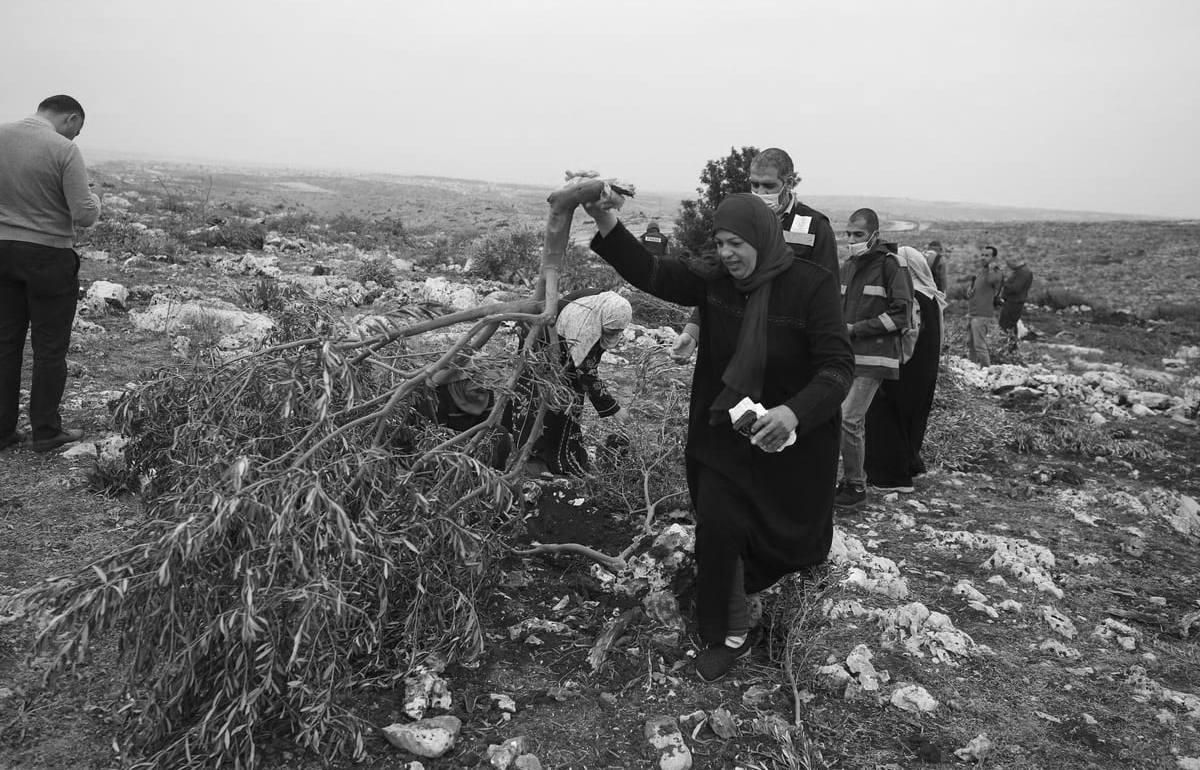

In this piece, the writer connects the powerful poems about Palestine written over the decades with what is happening there today. All the poets and poems mentioned here were part of the writer’s postgraduate syllabus.
Mahmoud Darwish, often called the voice of Palestine, beautifully captured the pain of people who were forced to leave their homeland. His words show the deep sadness and longing of Palestinians who have lived through occupation and loss. In one of his most moving lines, he writes:
“And I, who am without a passport, wander the archives of Damascus With no burden of a name.”
This shows the pain of losing your home and identity, something many Palestinians continue to experience. Darwish’s poetry is full of deep emotions and powerful images, giving voice to people who have been pushed out of their land.
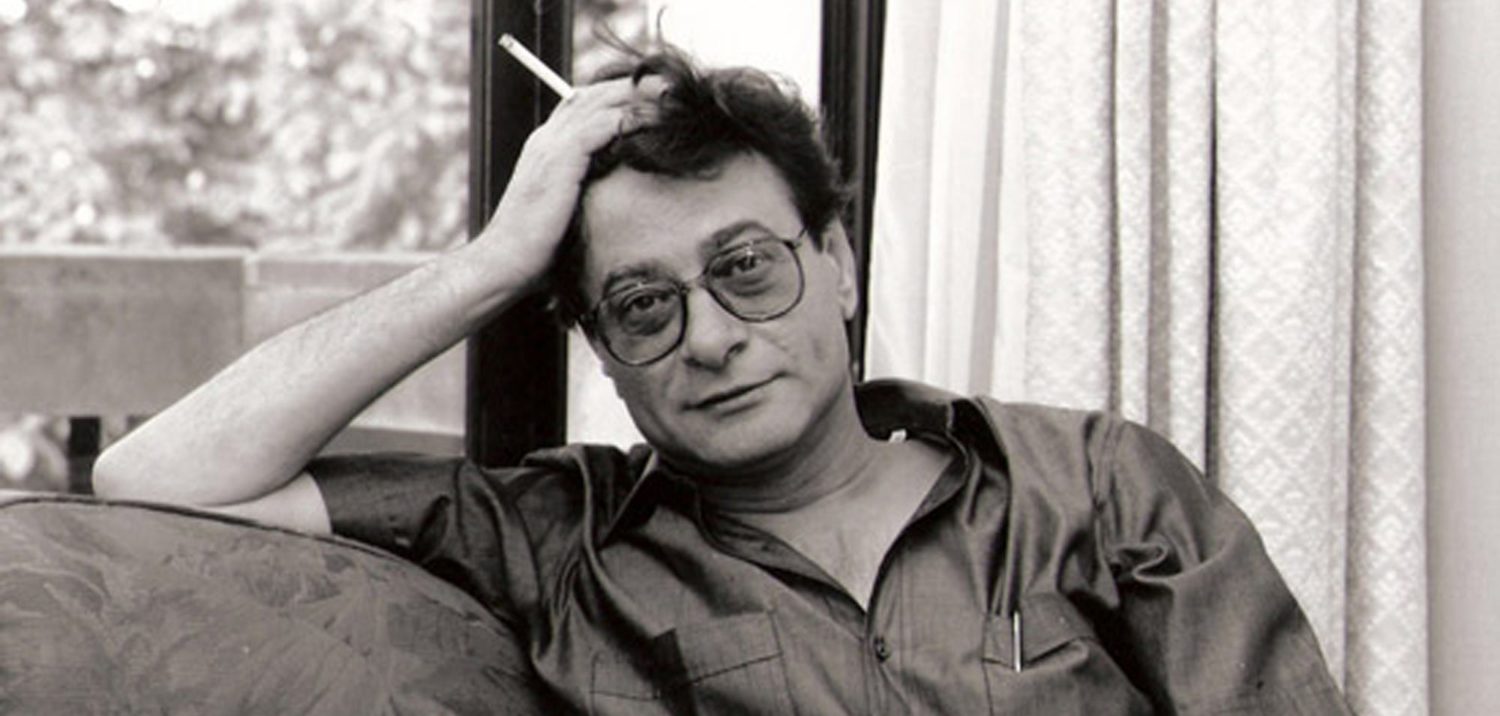
Mahmoud Darwish.
Naomi Shihab Nye, a poet with Palestinian roots, writes about identity and the struggles faced by her people. In her collection “19 Varieties of Gazelle”, she talks about the strength and survival of Palestinians living under occupation. In one poem, she writes:
“To live in the occupied territories is one thing — Every person deserves to live free without hovering ships of occupation overhead, without the plague of the occupation bulldozing olive trees and homes.”
Her words show how everyday life is affected by conflict and loss.
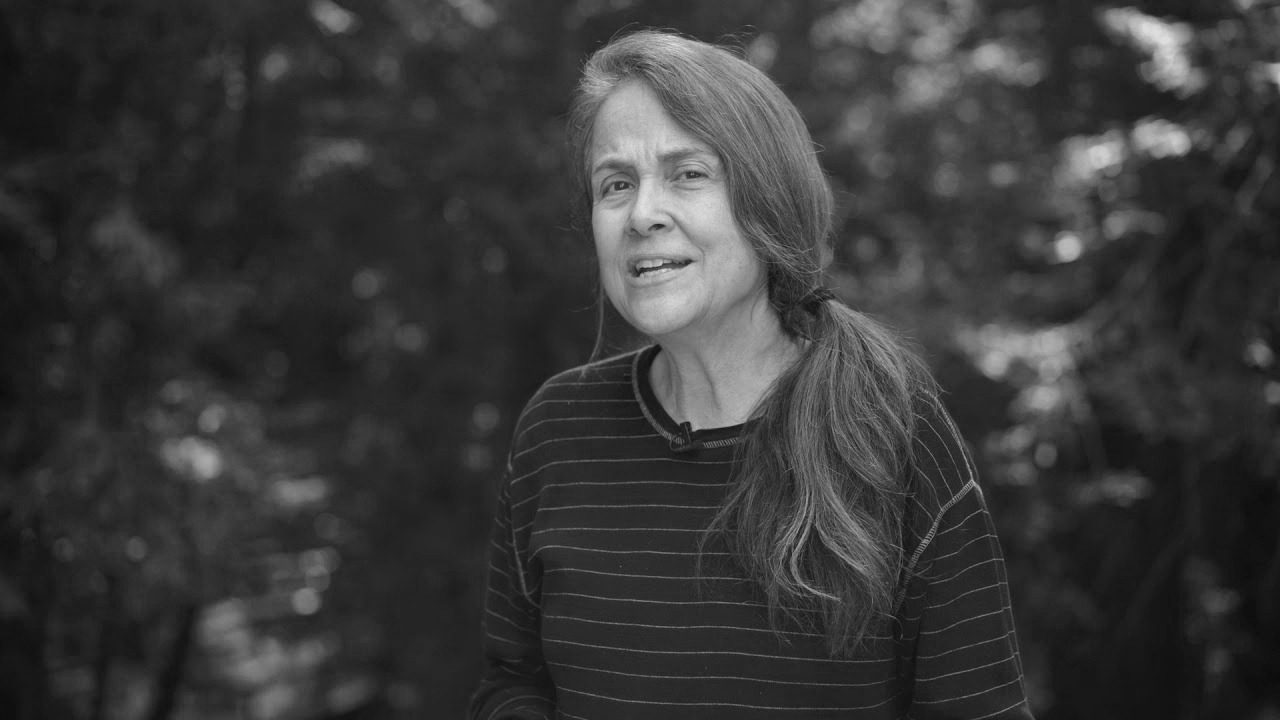
Naomi Shihab Nye.
Samih Al-Qasim, another powerful Palestinian poet, writes with anger and courage. His poems speak of resistance and the never-give-up spirit of the Palestinian people. One of his famous lines says:
“Let the oppressor kill whoever he wants. If my time has come, there’s no escape. For he who resists oppression will live.”
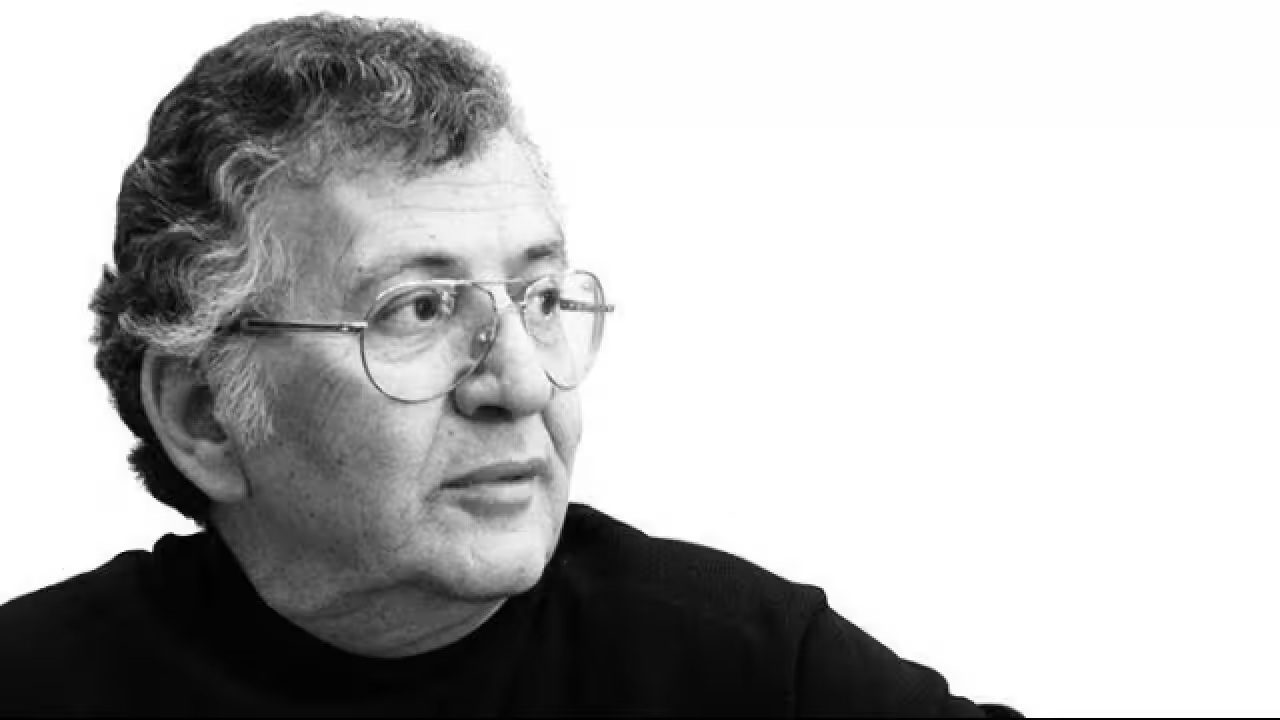
Samih Al-Qasim.
Taha Muhammad Ali focuses on how conflict affects daily life. His poems are simple yet deeply emotional. He speaks of survival and hope even when everything feels broken:
“So what if, in the end, my verses lose meaning like air. I see for myself a continuing life for them, trembling between my hands, like wild, frightened birds.”
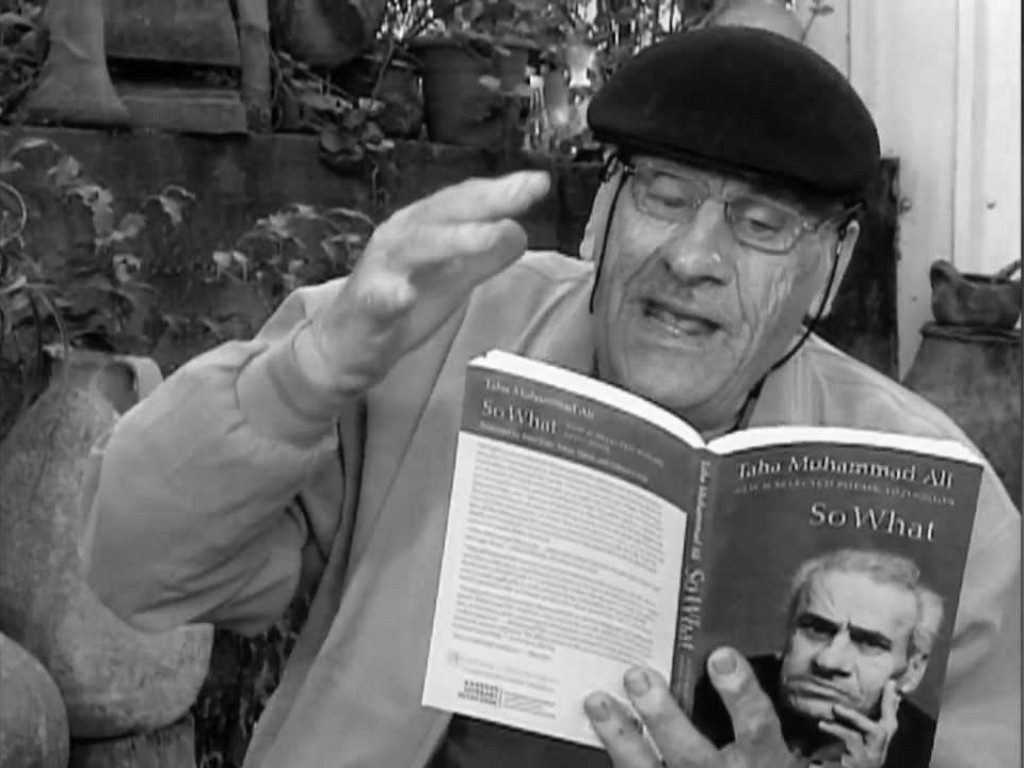
Taha Muhammad Ali.
The spoken word poetry of Rafeef Ziadah and Suheir Hammad brings a powerful energy to the Palestinian struggle. Through their performances, they turn pain into protest.
Ziadah, in her powerful words, confronts the consequences:
“We teach life, sir!”
Hammad, too, writes with strength and pride:
“Occupied people will live and live.”
Fadwa Tuqan, one of the most respected voices in Palestinian literature, often wrote about strength and rebuilding even after destruction. In one of her poems, she says:
“The occupier’s army burnt it. We shall plant it again.”
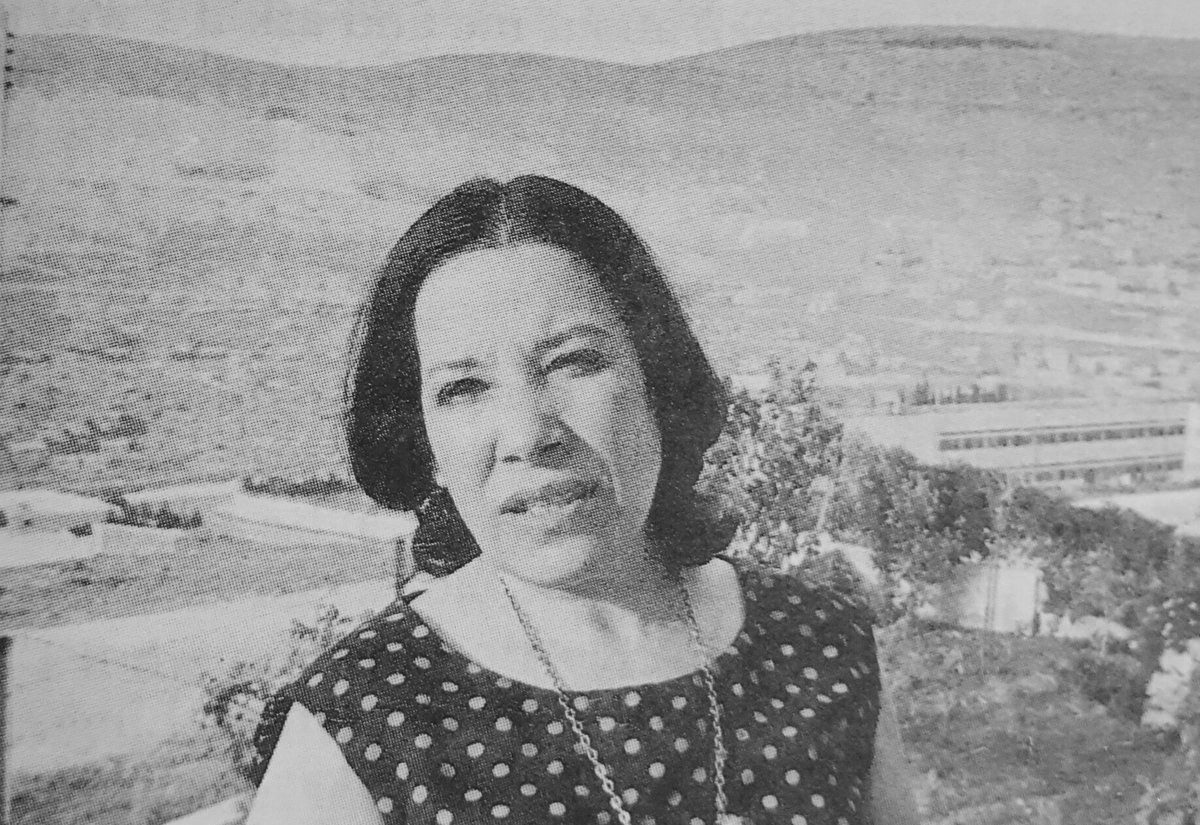
Fadwa Tuqan.
These poets, from different times and backgrounds, all show how poetry can be a way of telling the world what’s really happening in Palestine. Their words are more than just poems, they are records of pain, strength, and hope.
Sadly, the situation in Palestine remains heartbreaking. Since October 7, when Hamas responded to decades of Israeli occupation, over 18,000 lives have been lost in Gaza due to airstrikes and bombings.
This number shows just how urgent the need for peace is. The poems of Darwish, Nye, Al-Qasim, Taha, Ziadah, Hammad, and Tuqan remind us that behind every statistic is a human story, a life full of memories, dreams, and love.
Through their words, these poets ask the world not to look away, and to work towards a future where people can live freely, with dignity and peace.