

A new study has found that Muslim women working in the UK media industry face deep discrimination, toxic workplaces, and emotional stress, especially when covering sensitive issues like the war in Gaza.
The report, titled “Muslim Women in the Media: Breaking Barriers, Bearing the Burden”, was released by the Centre for Media Monitoring (CMM) and is based on anonymous responses from 102 Muslim women across print, broadcast, and online media.
Many of these women said they regularly face Islamophobia, harmful stereotypes, and feel left out of important roles and decisions in their workplaces. Some are so disheartened that they’re questioning whether to stay in journalism at all. One woman even said she had never felt so ashamed to call herself a journalist, referring to the way the media has covered Gaza.
The study shows that the majority of these women believe there is a strong anti-Muslim bias in media organisations. A large number of them said they have personally experienced discrimination because of their identity. Most also said the media’s reporting on Gaza has taken a serious toll on their mental health, and many admitted they have considered leaving journalism altogether.
The report highlights how Muslim women often face a strange mix of being highly visible and yet still excluded. While media outlets may hire them to show diversity, many are only assigned stories related to Muslim communities and are left out of real decision-making roles. Women who wear the hijab said they faced even more stereotyping and isolation at work.
Writer and Guardian columnist Nesrine Malik spoke at the report’s launch and said that the political environment in recent years has been especially harsh for Muslims. She added that after living under such pressure for so long, many people no longer even realise how unfair things have become.
The report also found that Muslim women are often shown unfairly in media content, and many feel stuck in their careers due to a lack of real opportunities and tokenism. For many of them, the way the war in Gaza has been reported was especially painful. Some described the coverage as biased and felt that their efforts to raise concerns were ignored, leaving them feeling helpless and unheard.
This comes at a time when global conflicts like those in Gaza, Sudan, and Kashmir are shaping how Muslim women are treated and what stories they’re expected to cover—usually without enough support, the report said. The CMM warned that unless the industry changes, many Muslim women could leave journalism altogether due to burnout, frustration, and being pushed to the margins.
The report ends on a cautious note. It says Muslim women are already playing a vital role in the media, often despite the lack of support. But if real, long-term changes aren’t made, many feel discouraged from staying in the industry. While some women said their Muslim identity helps them bring valuable perspectives to their work, this small hope is overshadowed by the structural problems they face every day.
CMM’s director Rizwana Hamid urged media leaders to take the findings seriously. She warned that surface-level diversity efforts won’t fix the deeper issues and said no other group is as unfairly treated in the media as Muslims are right now.
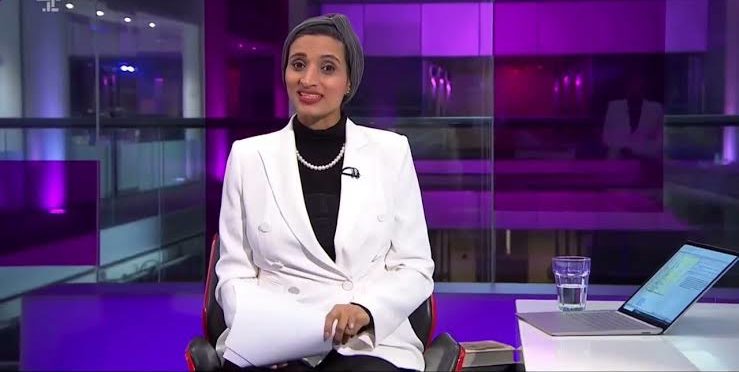
Manji Fatima, journalist & former C4 Newsreader, born and raised in Peterborough, she studied politics at the London School of Economics before joining the BBC as a trainee. But it was in 2016, as she stepped into the Channel 4 News studio wearing a hijab, that she made history becoming the UK’s first hijab-wearing national newsreader.
Her presence has caught the attention of both admirers and detractors, but she chooses not to allow her choice of attire to define her: “I wanted to let my journalism do the talking,” she said in a 2020 webinar with the Aziz Foundation. “While I’m a visibly British Muslim woman, that cannot be the only thing about me.”
Manji has been vocal about the need for greater diversity in newsrooms. “It’s really important that newsrooms reflect the populations they serve,” she told The Guardian.