In a world loud with distraction, it’s the quietest creations that help us feel, heal, and remember who we are.
Sometimes I think about how quiet life would be without art.
Not the kind behind velvet ropes or auctioned for millions. I mean the kind that lives in our homes, between our days. A child’s drawing taped to the fridge. A tune hummed while waiting for tea to boil. The poem your aunt wrote in the corner of an old diary. The chipped mug your father made in a pottery class that still holds his morning tea.
That kind of art.
It’s everywhere, really. And yet we forget how much it matters.
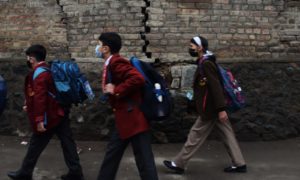
You could be having one of those days. Not bad, just heavy. The kind that settles into your chest like rain clouds. Then, on your walk home, you pass someone playing an old flute near the gate of a school. They’re not particularly good. But you stop anyway.
And something shifts.
You breathe a little deeper. Something in your chest lifts. You remember a song your mother used to hum when she thought no one was listening.
Art does that.
It won’t pay the bills or fix the leaky tap. But it offers something else – a way back to yourself. A small clearing in the noise.
I knew a man once. He worked in a steel plant for over thirty years. Quiet guy. Big hands. After his wife passed away, he started painting birds. Herons, mostly. Every afternoon in the shed behind his house. Not for sale. Not for show. Just for something to hold on to.
He didn’t call it art. He just said it helped with the silence.
That’s what art is sometimes. Something that keeps us from disappearing.
We don’t always talk about it in practical terms, but science does. And what it says might surprise you.
In a randomized controlled trial conducted by researchers at Drexel University, participants who engaged in just 45 minutes of art-making experienced a 25% drop in cortisol levels – the hormone responsible for stress. That’s measurable relief without a prescription.
Another study published in the Journal of the American Art Therapy Association found that creative self-expression through art therapy reduced symptoms of depression and anxiety significantly in patients recovering from trauma. In fact, participants who created visual art for six weeks showed a 40% increase in emotional resilience.
For children and adolescents, meta-analyses have shown that engaging in drawing or creative storytelling can lower feelings of isolation and improve emotional communication especially in those with social or developmental challenges.
The World Health Organization even reviewed over 900 studies and concluded that engagement with the arts significantly contributes to the prevention of mental illness, enhances recovery across age groups and improves overall well-being. In some countries, doctors now prescribe museum visits and painting sessions alongside medication and counseling.
But even without the research, I’ve seen the proof.
I’ve seen kids who struggle to sit still in school sit quietly for an hour with a box of crayons. I’ve watched tired nurses scribble down poems during night shifts just to feel human again. I’ve met elderly men in nursing homes who hum old songs and come alive with the first note.
Art doesn’t need an audience. It just needs a heartbeat.
It’s not about being good. It’s about being present.
You could be grieving. Or broke. Or just tired of everything. But if you sketch something on the back of a receipt or hum a tune while washing dishes, that’s art. If you write a letter you never send, that’s art too.
I once met a woman in her seventies who wrote poems on the backs of cereal boxes. She kept them stacked near the windowsill. Her husband didn’t get it – called it scribbling. But she called it remembering.
When I asked her why she did it, she smiled and said, “So I don’t forget I’m alive.”
It wasn’t about making something beautiful. It was about making something true.
Because art at its core is about truth.
Not the polished kind. Not the kind you frame or publish. But the kind that says, “This is what I feel. This is what I miss. This is what I love.”
It’s the truth of a lullaby sung to a newborn. The truth of painting your mother’s face from memory. The truth of scribbling a note in the dark because the thought won’t let you sleep.
And that truth is necessary.
In a world filled with deadlines, noise, and scrolls of distraction, art is one of the few things that asks nothing of us but presence.
It asks us to feel.
To slow down.
To pay attention.
When you stir your grandmother’s soup recipe with care, that’s art. When you arrange wildflowers in a chipped vase, that’s art too. When you dance in your kitchen when no one’s looking, it counts.
Art is not decoration. It’s survival.
And that’s not just poetic license.
According to the UK-based charity Paintings in Hospitals, patients exposed to visual art in medical settings reported up to 70% reductions in feelings of stress and fear. In another pilot in Montreal, hospital doctors wrote “museum prescriptions,” sending patients with chronic illness to local art galleries – many returned with lower blood pressure and better moods.
Closer to home, a 2023 Indian Council for Medical Research (ICMR) report noted that structured art therapy in urban public hospitals helped reduce patients’ reported pain levels by as much as 30%. That’s more than some pharmaceutical treatments offer.
The numbers tell us what we already feel in our bones: we need art.
Not to impress, but to endure. Not to perform, but to process.
We make art because we’re human. Because the act of creating gives us control in moments when life feels messy or uncertain. We carve our names into tree bark. We paint names on gravestones. We write letters we never send.
We do these things not to be remembered but so we don’t forget ourselves.
Art isn’t a luxury. It’s a thread that runs through the days, stitching them together with color, memory, and meaning.
It’s what we do when words fall short.
It’s what reminds us: You are here. You are seen. You still matter. Even when everything else feels distant. Even now. Especially now.
Gowher Majeed Bhat is a creative writer and educator based in Kashmir. He writes on society, education, and culture.








In a world loud with distraction, it’s the quietest creations that help us feel, heal, and remember who we are.
Sometimes I think about how quiet life would be without art.
Not the kind behind velvet ropes or auctioned for millions. I mean the kind that lives in our homes, between our days. A child’s drawing taped to the fridge. A tune hummed while waiting for tea to boil. The poem your aunt wrote in the corner of an old diary. The chipped mug your father made in a pottery class that still holds his morning tea.
That kind of art.
It’s everywhere, really. And yet we forget how much it matters.
You could be having one of those days. Not bad, just heavy. The kind that settles into your chest like rain clouds. Then, on your walk home, you pass someone playing an old flute near the gate of a school. They’re not particularly good. But you stop anyway.
And something shifts.
You breathe a little deeper. Something in your chest lifts. You remember a song your mother used to hum when she thought no one was listening.
Art does that.
It won’t pay the bills or fix the leaky tap. But it offers something else – a way back to yourself. A small clearing in the noise.
I knew a man once. He worked in a steel plant for over thirty years. Quiet guy. Big hands. After his wife passed away, he started painting birds. Herons, mostly. Every afternoon in the shed behind his house. Not for sale. Not for show. Just for something to hold on to.
He didn’t call it art. He just said it helped with the silence.
That’s what art is sometimes. Something that keeps us from disappearing.
We don’t always talk about it in practical terms, but science does. And what it says might surprise you.
In a randomized controlled trial conducted by researchers at Drexel University, participants who engaged in just 45 minutes of art-making experienced a 25% drop in cortisol levels – the hormone responsible for stress. That’s measurable relief without a prescription.
Another study published in the Journal of the American Art Therapy Association found that creative self-expression through art therapy reduced symptoms of depression and anxiety significantly in patients recovering from trauma. In fact, participants who created visual art for six weeks showed a 40% increase in emotional resilience.
For children and adolescents, meta-analyses have shown that engaging in drawing or creative storytelling can lower feelings of isolation and improve emotional communication especially in those with social or developmental challenges.
The World Health Organization even reviewed over 900 studies and concluded that engagement with the arts significantly contributes to the prevention of mental illness, enhances recovery across age groups and improves overall well-being. In some countries, doctors now prescribe museum visits and painting sessions alongside medication and counseling.
But even without the research, I’ve seen the proof.
I’ve seen kids who struggle to sit still in school sit quietly for an hour with a box of crayons. I’ve watched tired nurses scribble down poems during night shifts just to feel human again. I’ve met elderly men in nursing homes who hum old songs and come alive with the first note.
Art doesn’t need an audience. It just needs a heartbeat.
It’s not about being good. It’s about being present.
You could be grieving. Or broke. Or just tired of everything. But if you sketch something on the back of a receipt or hum a tune while washing dishes, that’s art. If you write a letter you never send, that’s art too.
I once met a woman in her seventies who wrote poems on the backs of cereal boxes. She kept them stacked near the windowsill. Her husband didn’t get it – called it scribbling. But she called it remembering.
When I asked her why she did it, she smiled and said, “So I don’t forget I’m alive.”
It wasn’t about making something beautiful. It was about making something true.
Because art at its core is about truth.
Not the polished kind. Not the kind you frame or publish. But the kind that says, “This is what I feel. This is what I miss. This is what I love.”
It’s the truth of a lullaby sung to a newborn. The truth of painting your mother’s face from memory. The truth of scribbling a note in the dark because the thought won’t let you sleep.
And that truth is necessary.
In a world filled with deadlines, noise, and scrolls of distraction, art is one of the few things that asks nothing of us but presence.
It asks us to feel.
To slow down.
To pay attention.
When you stir your grandmother’s soup recipe with care, that’s art. When you arrange wildflowers in a chipped vase, that’s art too. When you dance in your kitchen when no one’s looking, it counts.
Art is not decoration. It’s survival.
And that’s not just poetic license.
According to the UK-based charity Paintings in Hospitals, patients exposed to visual art in medical settings reported up to 70% reductions in feelings of stress and fear. In another pilot in Montreal, hospital doctors wrote “museum prescriptions,” sending patients with chronic illness to local art galleries – many returned with lower blood pressure and better moods.
Closer to home, a 2023 Indian Council for Medical Research (ICMR) report noted that structured art therapy in urban public hospitals helped reduce patients’ reported pain levels by as much as 30%. That’s more than some pharmaceutical treatments offer.
The numbers tell us what we already feel in our bones: we need art.
Not to impress, but to endure. Not to perform, but to process.
We make art because we’re human. Because the act of creating gives us control in moments when life feels messy or uncertain. We carve our names into tree bark. We paint names on gravestones. We write letters we never send.
We do these things not to be remembered but so we don’t forget ourselves.
Art isn’t a luxury. It’s a thread that runs through the days, stitching them together with color, memory, and meaning.
It’s what we do when words fall short.
It’s what reminds us: You are here. You are seen. You still matter. Even when everything else feels distant. Even now. Especially now.
Gowher Majeed Bhat is a creative writer and educator based in Kashmir. He writes on society, education, and culture.
Recommended for you