

More than 800 people have been confirmed dead after a 6.0-magnitude earthquake struck northeastern Afghanistan late Sunday night, according to Taliban authorities.
In a post on X, Narendra Modi said, “Deeply saddened by the loss of lives due to the earthquake in Afghanistan. Our thoughts and prayers are with the bereaved families in this difficult hour, and we wish a speedy recovery to the injured. India stands ready to provide all possible humanitarian aid and relief to those affected.”
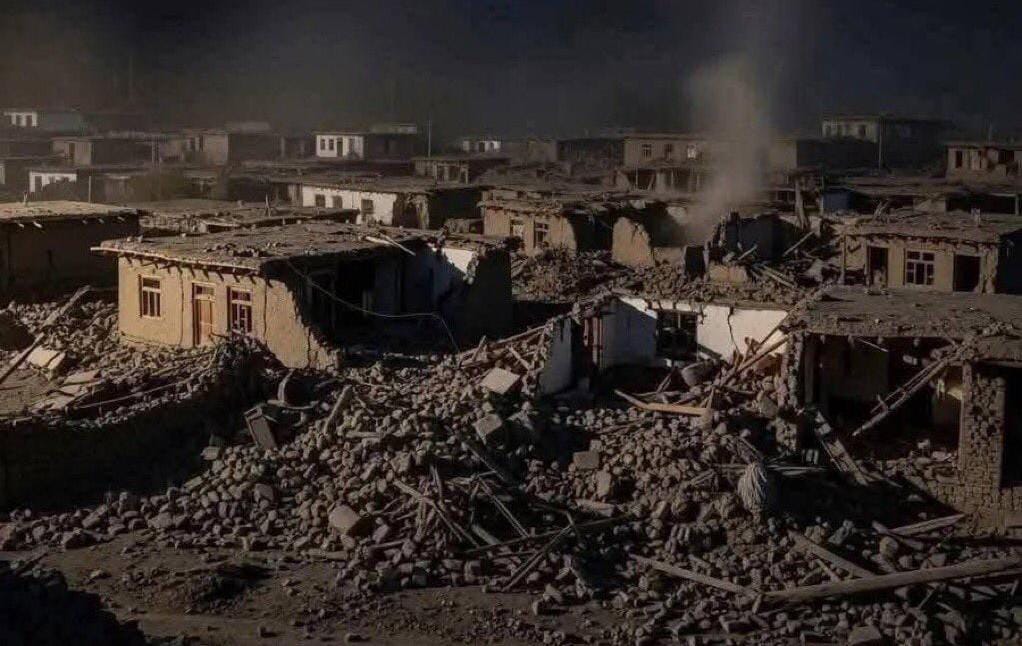
The quake, centered near the mountainous provinces of Kunar and Nangarhar, was strong enough to rattle buildings as far away as Kabul and neighboring Pakistan. Entire villages have been flattened, with homes collapsing on families as they slept.
Rescue efforts are proving difficult due to the rugged terrain and aftershocks that continue to shake the region. Roads leading to the worst-hit districts have been blocked by landslides, hampering the arrival of emergency aid. Local officials report thousands injured, with hospitals struggling to treat patients amid shortages of medicines and medical equipment.
The Taliban government has appealed for international assistance. Pope Francis expressed his condolences during his weekly address, urging the global community to “stand in solidarity with the Afghan people in their hour of grief.”
Experts warn that Afghanistan’s fragile infrastructure and widespread poverty leave it highly vulnerable to natural disasters.
This tragedy comes as Afghanistan continues to grapple with political isolation, economic crisis, and dwindling humanitarian support. Survivors are sheltering in open fields and makeshift tents, fearful of returning indoors due to the continuing tremors. Relief agencies warn of a secondary crisis as displaced families face a lack of clean water, food, and shelter.
Earthquakes are not uncommon in Afghanistan, which lies near several seismic fault lines.
In June 2022, a similar quake killed more than 1,000 people in Paktika province. The scale of the current disaster highlights once again the urgent need for disaster-preparedness mechanisms in a country already devastated by conflict and instability.