

Is the Kashmiri contemporary indie scene only a myth? Or does it exist in reality?
The question doesn’t imply a lack of talent; rather, it asks whether a self-sustaining ecosystem exists. One with artists rooted in place, infrastructure to support them, creative freedom free from the pull of Bollywood, and minimal migration of young talent to mainstream platforms.
While the term “Kashmiri Indie Scene” is increasingly used in cultural conversations, in reality, it lacks the foundational ecosystem.
Much of what is celebrated as indie often ends up being shaped or co-opted by Bollywood aesthetics.
With Bollywood offering visibility and financial stability, and given its dominance, it sadly shapes what young Kashmiri musicians aspire to become.
As a result, many emerging Kashmiri artists choose the safer path of aligning with mainstream industries.
This shift contributes to the erasure of the distinct Kashmiri soundscape, as musicians tailor their music to commercial tastes rather than pursuing experimental indie styles.
A true indie scene depends on physical and social infrastructure such as venues, recording studios, and consistent audiences.
Kashmir lacks all of these in meaningful quantity. Sporadic performances, limited technical facilities, and a lack of financial support create enormous barriers to the production and distribution of music.
Another major challenge is the tension between authenticity and marketability.
Kashmir’s artists often find themselves closely linked to the region’s political and cultural identity. While this could be a source of strength, it’s often commodified instead.
Mainstream platforms and audiences often romanticise or exoticise Kashmiri culture, encouraging musicians to market their “difference” rather than their true originality.
If the Kashmiri indie scene is to move from myth to reality, it must be rebuilt from scratch through community, collaboration, and commitment to authenticity.
Artists should continue to draw from local languages, folk traditions, and storytelling while remaining open to global forms of experimentation, avoiding any temptation.
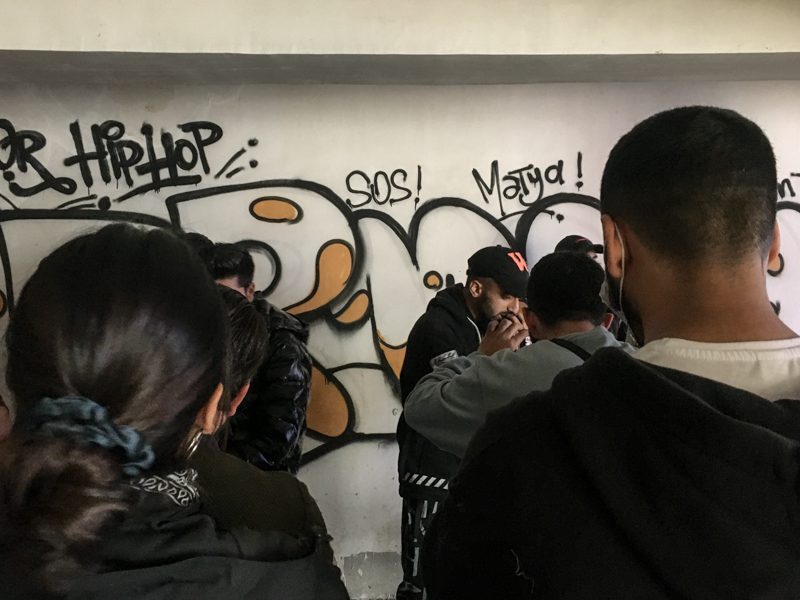
Small festivals, local gigs, and informal artist collectives can replace missing institutional infrastructure.
Even a consistent local audience, nurtured through social media and live sessions, can create a genuine cultural pulse.
Kashmiri-owned businesses can fund local performances or recording spaces, while the diaspora can provide sponsorship or global visibility for community-based projects rather than commercial ventures.
Artists can also seek out international grants that prioritise artistic integrity and innovation instead of commercial conformity.
This approach ensures that financial support is tied to creative merit and not to the sale of identity or exotic appeal.
Music is one of the most powerful mirrors of cultural resilience. When the indie scene remains underdeveloped, the place loses a vital medium of self-expression.
Instead of hearing a dynamic, self-defined Kashmiri voice, audiences encounter either mainstream film music or nostalgic reproductions of folk. The middle ground of experimentation, the hallmark of any true indie culture, gets erased.
If Kashmir’s artists and audiences can collaborate to create local platforms, sustainable funding models, and authentic creative spaces, the myth of the Kashmiri indie scene could become a living reality.
Until then, what we have is a promise without permanence, a scene that exists in imagination, not in reality.
When young musicians see only the contract with mainstream or the fallback to Bollywood music, the independent path looks less viable.