Srinagar: Three separate incidents of harassment and physical assault against Kashmiri street vendors and traders were reported within 24 hours across Uttarakhand, Uttar Pradesh, and Punjab, raising concerns over profiling and the growing role of vigilante groups in policing migrant workers, the Jammu and Kashmir Students Association (JKSA) said.
In a joint video shared by JKSA, a walnut trader from Kulgam narrated his ordeal, explaining how he had transported 14 boxes and three sacks of walnuts from Jammu to Ludhiana. According to him, the bus driver returned only 13 boxes, and when he questioned the discrepancy, the driver, along with several others — including one Sikh man — physically assaulted him. Blood could be seen spilt across his shirt and face in the video. He was questioned about his identity, his place of stay, and the source of the walnuts he was selling. The confrontation ended only after other shopkeepers intervened.
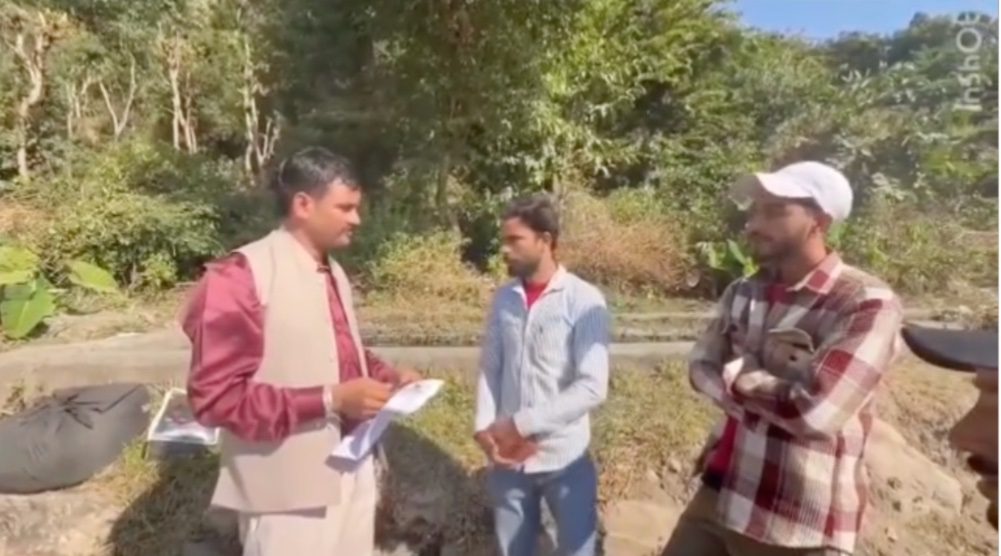
In Uttarkashi, Uttarakhand, a local right-wing activist identified as Rakesh confronted Kashmiri shawl sellers and levelled unsubstantiated allegations, accusing them of setting up stalls without mandatory police verification. He demanded that all Kashmiri vendors undergo background checks and went on to insinuate — without any evidence — that they could be involved in activities beyond selling winter goods, including the possibility of arms-related suspicion. His claims triggered unease among the vendors working in the region.
In Saharanpur, Uttar Pradesh, two Kashmiri youths selling shawls were stopped and questioned by members of the Bajrang Dal. The group allegedly detained and interrogated them before seizing their Aadhaar cards, identity documents, and mobile phones for what they described as “verification”. The incident has once again highlighted concerns about non-state actors taking law enforcement into their own hands.
The three incidents — occurring in different states but with similar patterns of allegations, detention, or public intimidation — have sparked worry among Kashmiri traders who travel across India during the winter months to sell shawls, dry fruits, and handicrafts. Many say they now fear routine profiling and harassment even while engaging in legitimate business.
Civil society members and rights groups have urged state authorities to curb vigilantism and ensure that only police and authorised agencies carry out verification processes. They have also called for stronger safeguards for migrant workers who contribute significantly to seasonal markets across northern India.