


Bill allows tariffs of up to 500% on countries importing Russian oil, gas or uranium; India, China and Brazil among nations that could be affected
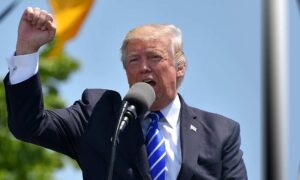
US President Donald Trump has endorsed a bipartisan sanctions bill that could sharply penalise countries continuing to buy Russian energy, including India, China and Brazil.
Republican Senator Lindsey Graham said Trump had “greenlit” the proposal during a White House meeting earlier this week, a move later confirmed by a White House official to the Associated Press.
If enacted, the legislation would give the US president sweeping authority to impose tariffs of up to 500% on nations that knowingly purchase Russian oil, gas, uranium or other key exports. Supporters say the measure is designed to cut off revenue streams that help sustain Russian President Vladimir Putin’s military campaign in Ukraine.
The bill has been jointly drafted by Graham and Democratic Senator Richard Blumenthal and has attracted dozens of co-sponsors in the Senate. A companion version has also been introduced in the House of Representatives by Republican lawmaker Brian Fitzpatrick.
Graham said Trump’s backing comes at a critical moment, as Ukraine signals readiness to make concessions in pursuit of peace, while Russia continues its military operations. He indicated that a Senate vote could take place as early as next week, although the timeline remains uncertain due to a pending government funding package and an upcoming Senate recess around Martin Luther King Jr. Day.
The White House has previously sought changes to the bill to ensure greater flexibility for the president in enforcing sanctions, but it is not yet clear whether those concerns have been fully addressed. The Trump administration is simultaneously pushing to finalise a peace agreement to end the nearly four-year-old Ukraine war, with special envoy Steve Witkoff and Trump’s son-in-law Jared Kushner leading negotiations on behalf of Washington.
If passed, the legislation would mark one of the toughest economic measures yet against Russia’s global energy trade, with significant implications for countries that have continued to buy discounted Russian oil since the war began.