


Emails released by the US Justice Department show that Jeffrey Epstein was forwarded details of an alleged “covert deal” under discussion in 2015 involving Pakistan and Saudi Arabia during the Yemen war.
The 7 April 2015 email, titled “Pakistan Covert Deal with Saudi on Yemen,” was written by Nasra Hassan, a longtime United Nations official who later advised the International Peace Institute. She sent the message to the institute’s then-president, Terje Rod-Larsen, who subsequently forwarded it to Epstein. There is no evidence of direct correspondence between Hassan and Epstein.
The email summarised discussions between Islamabad and Riyadh at a time when Saudi Arabia, led militarily by then–Defence Minister Mohammed bin Salman, was assembling a coalition with the UAE to fight the Iran-aligned Houthi movement, which had seized Sanaa and large parts of northern Yemen.
The Saudi-led campaign launched extensive airstrikes that caused heavy civilian casualties and deepened Yemen’s humanitarian crisis, while the Houthis retaliated with missile and drone attacks on Saudi and Emirati targets. The Houthis still control much of Yemen’s populated areas, though a fragile truce with Saudi Arabia remains in place.
Although Pakistan publicly declined to join the coalition—its parliament voted against direct military intervention on 10 April 2015—the email suggested behind-the-scenes negotiations for limited support. Hassan wrote that Saudi Arabia had asked Pakistan for ground forces to secure sensitive territory along the Saudi-Yemen border and had expressed interest in Pakistan deploying JF-17 fighter jets.
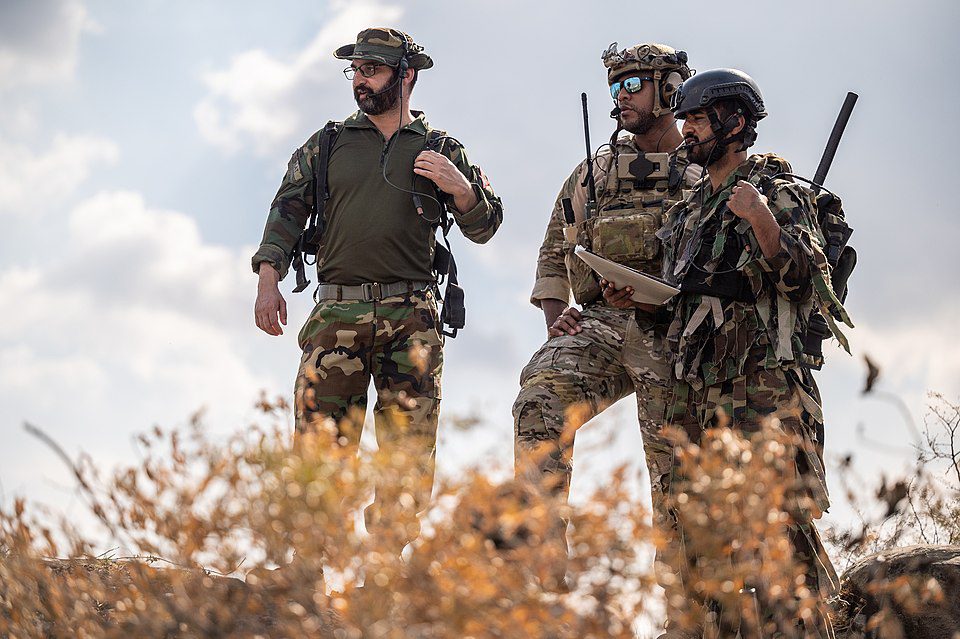
According to the message, Pakistan’s leadership was under financial pressure and in need of Saudi economic assistance, which she said was driving talks about a discreet arrangement. Rather than deploying inside Yemen, Pakistan was described as considering sending members of its elite Special Service Group—nicknamed the “Black Storks”—to operate on the Saudi side of the border if necessary.
Hassan also claimed Pakistani naval deployments in the Gulf of Oman, officially assigned to anti-piracy missions, could provide logistical backing to Saudi operations. She added that Islamabad had engaged China to maintain a naval presence in the area under similar pretexts.
It remains unclear whether any such covert deployment occurred. In 2018, Pakistan announced it would send troops to Saudi Arabia for training and advisory roles, emphasising they would not be used outside the kingdom.
The email was marked confidential and appeared to contain insights beyond what had been publicly reported at the time. Its circulation later drew scrutiny because of Rod-Larsen’s association with Epstein, which had already prompted his resignation from the International Peace Institute after earlier revelations about their relationship.
Overall, the correspondence suggests Epstein received internal geopolitical briefings through intermediaries, even as he was publicly known only as a financier.