
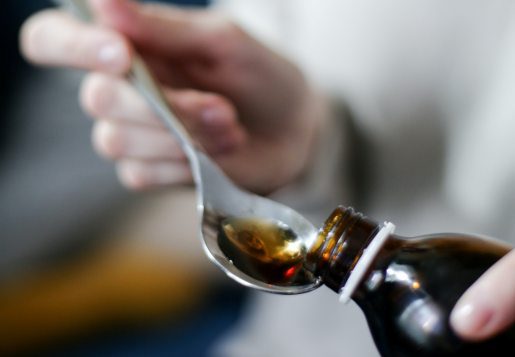

Mumbai: Amid heightened scrutiny after India-made syrups were linked to the deaths of children in the country and abroad, nearly 90% of the cough syrup makers were inspected by India’s drug regulator and found compliance lapses, its chief said on Monday.
The inspections come after the discovery of a brand of cough syrup contaminated with diethylene glycol that was connected to the deaths of 24 children in October last year. The product, named Coldrif, was based in Tamil Nadu and manufactured by Sresan Pharmaceutical.
“We took serious actions on serious non-compliances, and we believe that the rot of cough syrup manufacturing will be removed,” Drugs Controller General of India Rajeev Raghuvanshi said at the IPA 11th Global Pharmaceutical Quality Summit in Mumbai.
He said that the regulator is looking to fix issues around cough syrup products without providing a definite timeline.
Denting India’s reputation as the “pharmacy of the world,” the agency is under pressure to tighten oversight of the $42 billion pharma industry, dominated by small manufacturers, after India-made cough syrups have been tied to the deaths of more than 140 children in Africa and Central Asia since 2022.
Raghuvanshi said that around 1,100, about 90% of all cough syrup makers, had been inspected, and pointed to breaches of good manufacturing practices, failure to test incoming raw materials and use of invalid methods or processes. He did not name the companies found non-compliant.
He added that the regulator has also inspected an additional 1,250 drug manufacturing units protectively to evaluate risks, a practice begun in 2022, but declined to say how many had compliance issues or were forced to halt operations temporarily.
India’s drug regulator seeks to bring its operations on par with the US Food and Drug Administration by addressing staffing shortages, speeding up approvals, and boosting resources, Raghuvanshi said.
According to Raghuvanshi, the agency plans to create 1,500 positions, with about 40% of them flexible, contract roles, and may bring in global industry experts as advisers. It is also piloting the use of artificial intelligence to review applications.
The regulator has also streamlined export clearances by removing the need for so-called no-objection certificates for drugs shipped abroad to countries like the US, Europe, Australia, Japan, the UK and Canada, a move he said will save time and resources.