On a quiet winter morning in Kashmir, when the cold seeps into the walls and the sky outside looks pale and still, my six-month-old daughter stares at the warm glow of an electric bulb as if it holds all the secrets of the world.
The light fills the room softly. Shadows stretch, twist, and shift along the walls. She watches without blinking, completely absorbed, as though nothing else exists.
Standing beside her, I realise I no longer know how to look at anything with that kind of full attention.
I used to think curiosity was something adults slowly lose. It fades under responsibility, routine, and the constant need to move forward.
Life becomes about finishing tasks, meeting deadlines, and managing everything efficiently.
Somewhere along the way, I forgot how to stop, notice, and wonder. I did not know when that shift happened, but now I know exactly who brought curiosity back into my life.
Her name is Sundus.
She did not teach me through advice or instruction. She taught me by the way she looks at the world, as if nothing in it is ordinary.
At six months old, she is discovering everything for the first time. She studies faces carefully, as though she wants to remember every detail.
The winter sunlight coming through the window is not just light—it is alive, something worth following with her whole attention.
Even the soft hum of electricity, the distant murmur of traffic, or the faint call to prayer drifting through the cold air makes her pause.
Nothing is background noise. Everything matters. Everything deserves to be explored.
Watching her made me realise something simple and uncomfortable: the world has not become dull. I have simply stopped noticing it.
Curiosity does not begin with intelligence. It begins with attention.
Sundus reaches for everything within her grasp. She does not pause to question whether it is worth it. She does not calculate outcomes. She explores first, understands later.
As adults, we often do the opposite. We hesitate. We overthink. We measure risk before we allow ourselves to begin.
She just reaches.
Around this age, she is learning to sit with support. She wobbles. Sometimes she tips over gently onto cushions.
Yet she does not see falling as failure. She pauses, steadies herself, and tries again. There is no embarrassment, no fear of judgment. There is only persistence.
Watching her, I thought of the many things I stopped attempting because they did not work the first time—the ideas I abandoned, the questions I silenced, the risks I avoided.
After all, I was afraid of being wrong. Somewhere along the way, I confused caution with wisdom.
She reminded me that curiosity survives mistakes. In fact, it grows because of them.
Caring for her has slowed my life in ways I did not expect. Feeding her cannot be rushed. Rocking her to sleep demands patience.
When she looks into my eyes, she immediately senses if my thoughts are elsewhere. She wants presence, not perfection. She responds to attention, not distraction.
In giving her that attention, I began to notice how rarely I offer the same presence to others, or even to myself.
Curiosity needs time. It cannot survive constant hurry. It needs stillness. It needs space to breathe.
As I slowed down for her, small details returned to me: the softness of winter light resting on the floor, the quiet rhythm of early mornings, the smell of firewood drifting from the street, the faint crunch of frost underfoot.
Ordinary moments carried a quiet beauty I had long forgotten. These were things I once saw without effort. Now I see them again because she sees them.
Her joy is uncomplicated. She laughs at shadows, familiar voices, and simple sounds.
One morning, she caught sight of her own reflection in the polished floor and burst into a delighted squeal, as if meeting a new friend.
Watching her, I began to question why adults make happiness so difficult.
Why do we postpone joy until something extraordinary happens?
Why do we wait for achievement before allowing ourselves to celebrate? Perhaps life itself is already extraordinary.
Curiosity and joy seem to move together. When one fades, the other quietly follows.
In a place that has known its share of heaviness, children bring softness. They remind us that wonder has not disappeared. That even in uncertain times, light still dances across walls.
That growth, even when slow and unseen, continues every day.
Sundus is discovering life for the first time. I am rediscovering it with her. She grows in inches and milestones. I grow in awareness.
One day, she will outgrow her fascination with the electric bulb. The world will teach her complexity, just as it taught me. Responsibilities will come. Questions will become heavier.
But I hope I remember what she gave me during these early months. I hope I protect the curiosity she restored in me—not only for myself, but for her.
Because one day, she may need to see it reflected back.
My six-month-old daughter did not simply bring joy into my life. She brought back my ability to wonder.

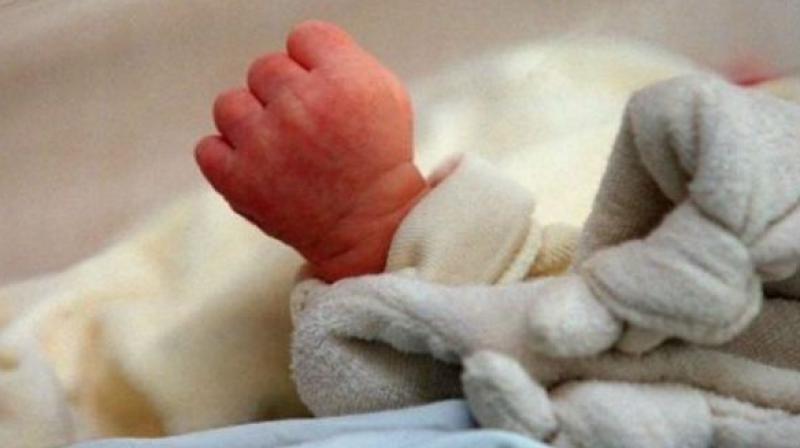









On a quiet winter morning in Kashmir, when the cold seeps into the walls and the sky outside looks pale and still, my six-month-old daughter stares at the warm glow of an electric bulb as if it holds all the secrets of the world.
The light fills the room softly. Shadows stretch, twist, and shift along the walls. She watches without blinking, completely absorbed, as though nothing else exists.
Standing beside her, I realise I no longer know how to look at anything with that kind of full attention.
I used to think curiosity was something adults slowly lose. It fades under responsibility, routine, and the constant need to move forward.
Life becomes about finishing tasks, meeting deadlines, and managing everything efficiently.
Somewhere along the way, I forgot how to stop, notice, and wonder. I did not know when that shift happened, but now I know exactly who brought curiosity back into my life.
Her name is Sundus.
She did not teach me through advice or instruction. She taught me by the way she looks at the world, as if nothing in it is ordinary.
At six months old, she is discovering everything for the first time. She studies faces carefully, as though she wants to remember every detail.
The winter sunlight coming through the window is not just light—it is alive, something worth following with her whole attention.
Even the soft hum of electricity, the distant murmur of traffic, or the faint call to prayer drifting through the cold air makes her pause.
Nothing is background noise. Everything matters. Everything deserves to be explored.
Watching her made me realise something simple and uncomfortable: the world has not become dull. I have simply stopped noticing it.
Curiosity does not begin with intelligence. It begins with attention.
Sundus reaches for everything within her grasp. She does not pause to question whether it is worth it. She does not calculate outcomes. She explores first, understands later.
As adults, we often do the opposite. We hesitate. We overthink. We measure risk before we allow ourselves to begin.
She just reaches.
Around this age, she is learning to sit with support. She wobbles. Sometimes she tips over gently onto cushions.
Yet she does not see falling as failure. She pauses, steadies herself, and tries again. There is no embarrassment, no fear of judgment. There is only persistence.
Watching her, I thought of the many things I stopped attempting because they did not work the first time—the ideas I abandoned, the questions I silenced, the risks I avoided.
After all, I was afraid of being wrong. Somewhere along the way, I confused caution with wisdom.
She reminded me that curiosity survives mistakes. In fact, it grows because of them.
Caring for her has slowed my life in ways I did not expect. Feeding her cannot be rushed. Rocking her to sleep demands patience.
When she looks into my eyes, she immediately senses if my thoughts are elsewhere. She wants presence, not perfection. She responds to attention, not distraction.
In giving her that attention, I began to notice how rarely I offer the same presence to others, or even to myself.
Curiosity needs time. It cannot survive constant hurry. It needs stillness. It needs space to breathe.
As I slowed down for her, small details returned to me: the softness of winter light resting on the floor, the quiet rhythm of early mornings, the smell of firewood drifting from the street, the faint crunch of frost underfoot.
Ordinary moments carried a quiet beauty I had long forgotten. These were things I once saw without effort. Now I see them again because she sees them.
Her joy is uncomplicated. She laughs at shadows, familiar voices, and simple sounds.
One morning, she caught sight of her own reflection in the polished floor and burst into a delighted squeal, as if meeting a new friend.
Watching her, I began to question why adults make happiness so difficult.
Why do we postpone joy until something extraordinary happens?
Why do we wait for achievement before allowing ourselves to celebrate? Perhaps life itself is already extraordinary.
Curiosity and joy seem to move together. When one fades, the other quietly follows.
In a place that has known its share of heaviness, children bring softness. They remind us that wonder has not disappeared. That even in uncertain times, light still dances across walls.
That growth, even when slow and unseen, continues every day.
Sundus is discovering life for the first time. I am rediscovering it with her. She grows in inches and milestones. I grow in awareness.
One day, she will outgrow her fascination with the electric bulb. The world will teach her complexity, just as it taught me. Responsibilities will come. Questions will become heavier.
But I hope I remember what she gave me during these early months. I hope I protect the curiosity she restored in me—not only for myself, but for her.
Because one day, she may need to see it reflected back.
My six-month-old daughter did not simply bring joy into my life. She brought back my ability to wonder.