
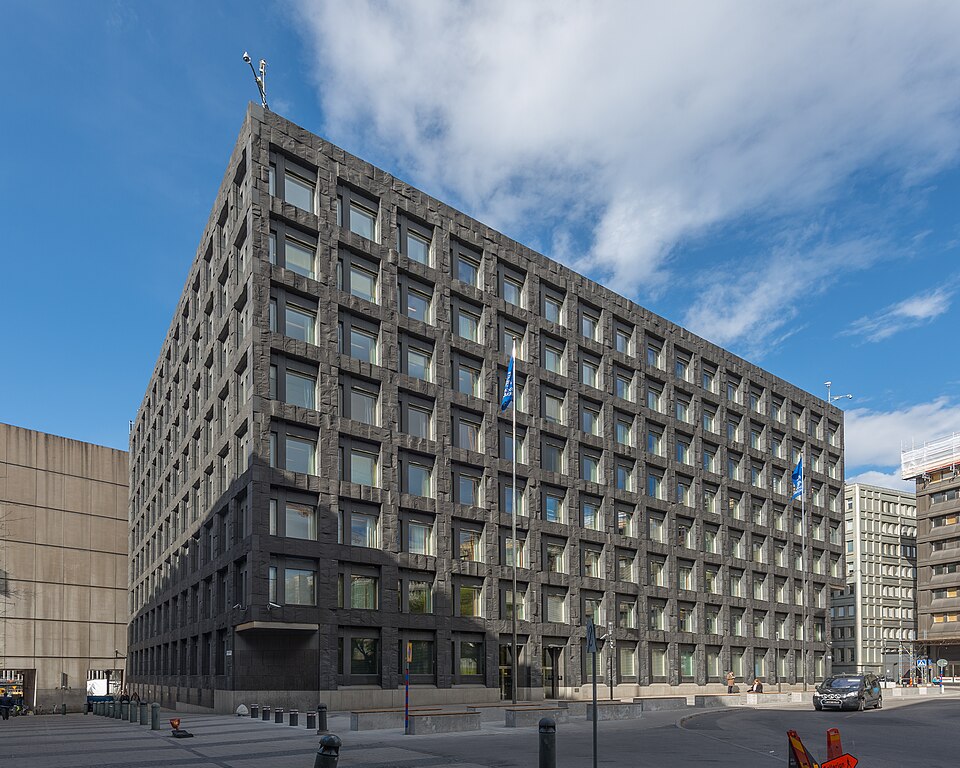
All adults in Sweden should keep enough cash at home to cover a week’s basic expenses, including food and medicines, in case of war or another major crisis, the country’s central bank said.
The Sveriges Riksbank recommended that each adult hold about 1,000 kronor (about $110) in cash. It also advised citizens to keep bank cards from different lenders and use the domestic digital payment service Swish to ensure access to multiple payment methods.
“The general public is an important part of Sweden’s total defence and central to strengthening national preparedness,” the central bank said, adding that having different payment options would help people continue making payments during temporary disruptions, crises or even war.
The guidance forms part of a broader effort by Swedish authorities to prepare society for possible military or cyber threats, particularly amid heightened tensions involving Russia and, to a lesser extent, Iran. The government has already distributed a preparedness brochure to households outlining steps such as storing drinking water and accessing information during power outages.
Sweden’s payment system is considered especially vulnerable because of its heavy reliance on digital transactions, with only about one in ten payments made in cash.
The Riksbank has called for legislation to safeguard the role of cash in the economy, though no such law has yet been introduced. It has also said offline card payments for essentials like food and medicines should be available nationwide in case of system disruptions by July 1.
Central banks in neighbouring Finland and Norway — both bordering Russia — have already issued similar advice urging citizens to keep cash reserves and more than one bank card.