
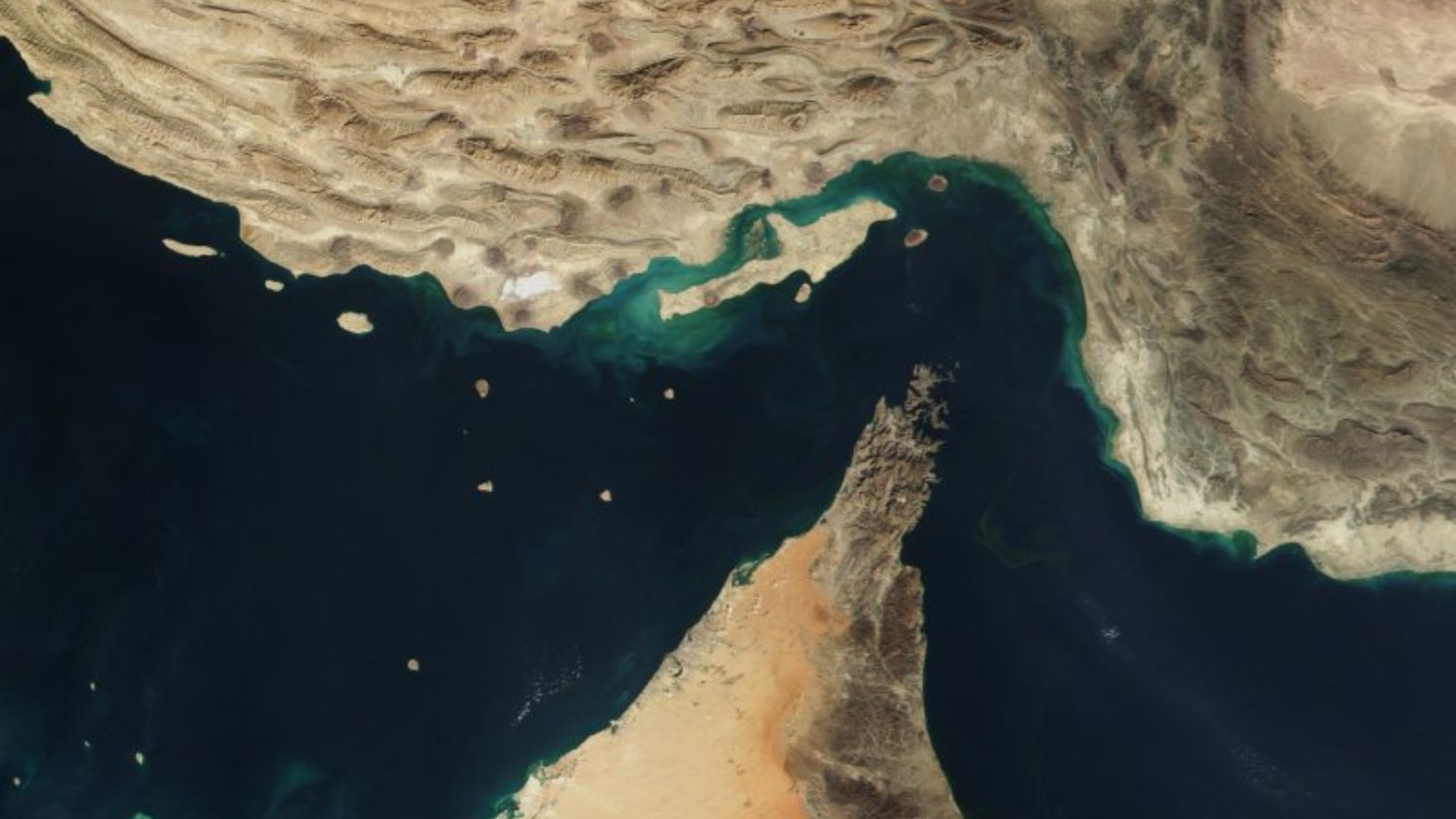

Iran on Monday issued one of its sternest warnings yet as tensions with the United States and Israel continue to rise, stating that the Strait of Hormuz would “never be the same” for the two allies.
In a post on X, Iran’s Islamic Revolutionary Guard Corps (IRGC) Navy said the crucial waterway — a key route for global oil transport — would see lasting changes. It added that preparations were nearly complete for what it called a “new order” in the Gulf, hinting at a shift in the region’s security landscape.
The US-Israel war with Iran entered its 38th day, with fighting intensifying across Iran, Israel and Lebanon. Israeli strikes hit several towns in southern Lebanon, including Sultaniyeh, Arzoun, Nabatieh al-Fouqa and Deir al-Zahrani, marking an escalation along the northern border.
Hezbollah responded with drone and rocket attacks targeting Israeli military positions near the frontier, including areas opposite Markaba and locations north of Acre. Air raid sirens sounded across northern Israel, especially in the Galilee, as rockets were intercepted.
Lebanon’s health ministry said at least eight people were killed and 55 injured in Israeli attacks on Beirut’s Jnah district and the Ain Saadeh hills. Victims included women, children and foreign nationals, highlighting the growing civilian toll.
Iranian media reported multiple missile launches toward Israel, including three waves in quick succession. Blasts were heard in Haifa and nearby areas, while Israeli air defences were activated across the north and the Golan Heights.
In Haifa, at least 11 people were injured — one critically — after a missile struck a multi-storey building, causing fires and structural damage. Additional strikes were reported in Tel Aviv and central Israel, with some reports suggesting the use of cluster munitions.
Israeli authorities said several missiles were intercepted, though falling debris caused damage in multiple areas.
Explosions were also reported across Iran, including in the southwestern city of Ahvaz, where officials said the airport was hit multiple times in a single day. Air defence systems were activated over Tehran amid reports of aerial activity east of the capital.
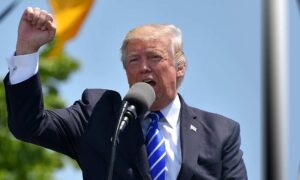
US President Donald Trump said American forces had carried out a “daring rescue” to recover a downed pilot inside Iran using special forces. He warned of possible large-scale strikes on Iranian infrastructure if Tehran continued to threaten the Strait of Hormuz.
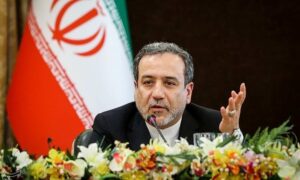
Iranian leaders responded defiantly, saying the country would press ahead with its development. Parliament Speaker Mohammad-Bagher Ghalibaf cautioned that US actions could push the region toward wider conflict.
The death toll continues to climb. The US-based Human Rights Activists News Agency (HRANA) reported at least 3,540 deaths in Iran since the conflict began, including 1,616 civilians and at least 244 children.
The International Federation of Red Cross and Red Crescent Societies (IFRC) estimated around 1,900 deaths and 20,000 injuries in Iran due to US-Israeli strikes.
In Lebanon, authorities said at least 1,461 people have been killed in Israeli attacks since early March.