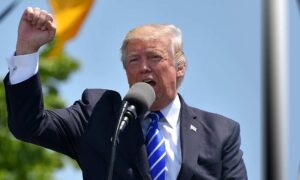


Donald Trump announced that the United States will begin a naval blockade targeting Iranian ports following the collapse of ceasefire talks with Iran in Islamabad, Associated Press reported.
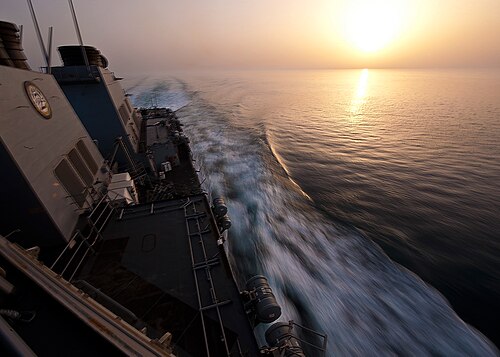
The US Central Command said the blockade will take effect Monday at 10 am EDT (5:30 pm in Iran) and will apply to ships entering or leaving Iranian ports, regardless of nationality. However, vessels travelling between non-Iranian ports will still be allowed to pass through the Strait of Hormuz.
The move follows 21 hours of negotiations between the US and Iran that ended without agreement, leaving a fragile two-week ceasefire in doubt. The conflict, now in its seventh week, has killed thousands and disrupted global markets.
Speaking after returning to Washington, Trump said he was unconcerned about whether Iran resumes talks, insisting Tehran must not acquire nuclear weapons. He also claimed Iranian officials had signalled continued interest in developing such capabilities.
Trump further escalated tensions by criticising Pope Leo XIV over his remarks on the war, accusing him of siding with the political left. The pope had earlier condemned the “delusion of omnipotence” driving the conflict and called for renewed negotiations.
Meanwhile, maritime intelligence indicated that ship traffic through the Strait of Hormuz briefly halted after Trump’s blockade announcement, though some movement had resumed in recent days.
Global reactions have been cautious. Anthony Albanese urged that the strait remain open under international law and said Australia had not been asked to assist in the blockade.
Analysts suggest the US military’s plan is less extensive than Trump initially indicated, as it does not fully restrict all traffic through the strait. Experts warn the move could still drive oil prices higher, with estimates suggesting a potential increase of $5 to $10 per barrel.
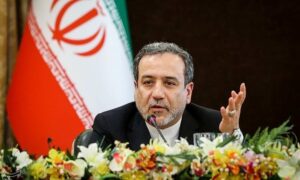
Iranian officials accused Washington of derailing negotiations, with Foreign Minister Abbas Araghchi saying talks had been close to a breakthrough before the US shifted its stance.
Energy and security experts cautioned that the blockade’s impact will depend on how it is implemented and how Iran responds, raising concerns about further escalation and prolonged market instability.