
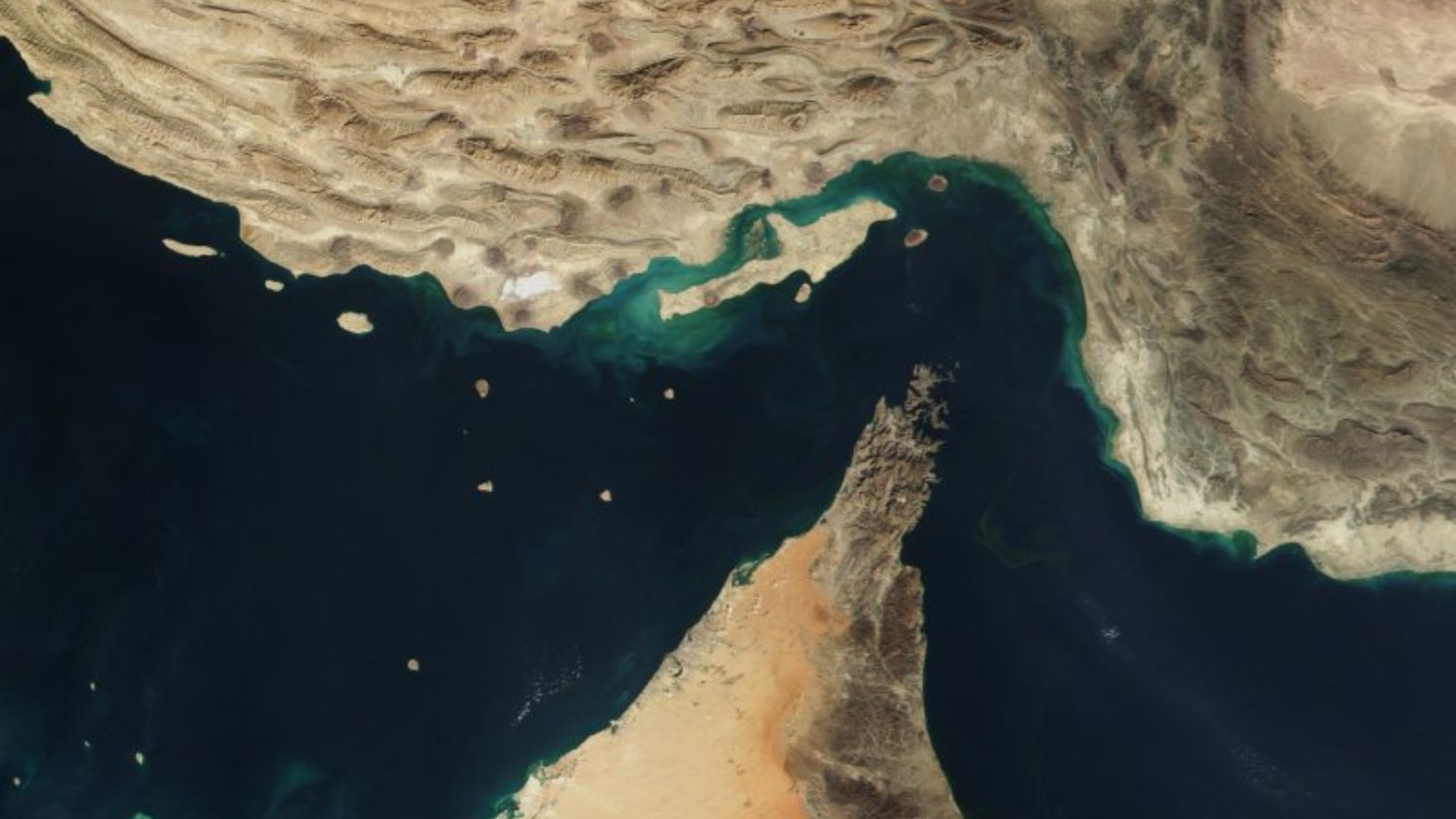

Iraq and Pakistan have reached separate agreements with Iran to allow oil and liquefied natural gas (LNG) shipments to pass through the Strait of Hormuz, according to sources familiar with the arrangements, highlighting Tehran’s growing control over one of the world’s most critical energy chokepoints.
The deals come as the ongoing US-Israeli conflict with Iran has severely disrupted exports from the Gulf, a region that normally accounts for about 20% of global crude oil and LNG supplies.
Under an agreement between Baghdad and Tehran, Iraq secured safe passage for two very large crude carriers, each carrying around 2 million barrels of oil, that transited the strait on Sunday, according to Iraqi officials and a shipping source.
Iraq is seeking approval for additional shipments as it tries to protect oil revenues, which account for roughly 95% of government income.
“Iraq is a close ally of Iran, and any deterioration in Iraq’s economy would also damage Iran’s economic interests in the country,” one Iraqi oil ministry official said.
In a separate arrangement, two tankers carrying Qatari LNG are en route to Pakistan after Islamabad reached an understanding with Tehran to facilitate their transit, industry sources said.
Pakistan, which relies heavily on Gulf energy imports, is facing rising fuel costs and increasing electricity demand during the summer.
Neither Iraq nor Pakistan has made direct payments to Iran or to the Islamic Revolutionary Guard Corps (IRGC) for the transit agreements, according to the sources.
Energy analysts say the deals reflect a shift in Iran’s strategy from threatening to close the Strait of Hormuz to regulating access through it.
Before the conflict, roughly 3,000 vessels passed through the strait each month. Traffic has since fallen to about 5% of normal levels, according to shipping data.
The disruption has pushed Brent crude prices up more than 50% since fighting began in late February, while LNG prices in Europe and Asia have risen by 35% to 50%.
Iran has indicated that it intends to maintain oversight of the strait after the war and is requiring countries such as Iraq to submit detailed documentation on each tanker, including ownership, destination and cargo specifications, before granting passage.
Other countries are reportedly exploring similar arrangements as supply disruptions and higher energy prices continue to weigh on global markets.