From the violence of breaking ribs to the strange silence after a pulse returns, one doctor confronts how repeated encounters with death reshape the self.
The first cardiac arrest changes you; the hundredth changes you differently.
Human emotion has too many faces. Even silence, that would otherwise suggest a void, has its specific kinds.
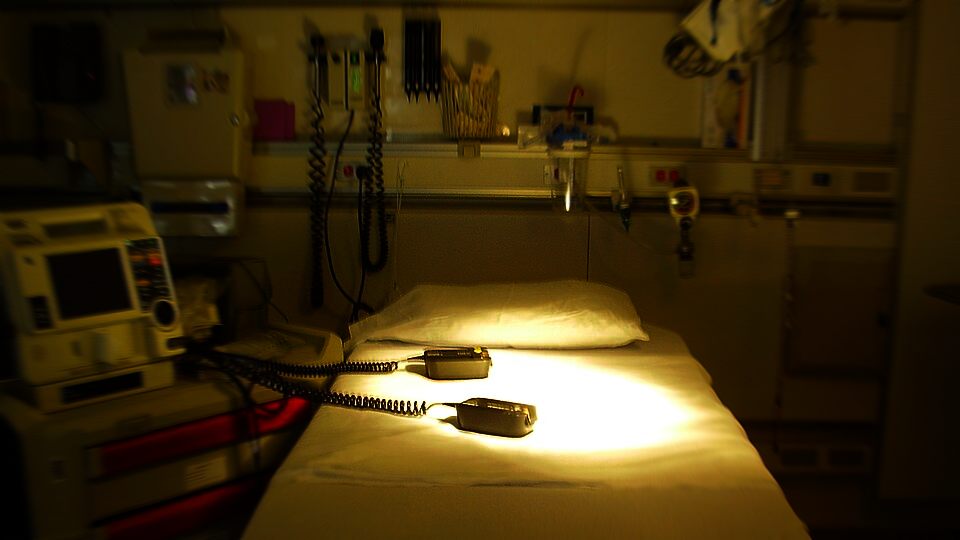
Like the silence of a resuscitation room- not simply a silence of absence, but a silence which hums.
The silence that you don’t hear with your ears, but its melancholic frequencies vibrate in you; sometimes within your throat and other times beneath your God-forsaken sternum.
This is a silence suspended between hope and inevitability.
And between this silence, everyone waits for a heart to choose if it shall return to the world of living or surrender to the indifferent laws of the underworld.
Standing at another person’s mortality doesn’t always hit the same.
The man standing there, I have seen him going two ways.
On one he carries a body that bargains with time until his own departure.
On the other, he carries a silence that no language has ever learned to bury.
I have seen him make both the journeys. And in both of them, he finally realises that death never actually argued with him; it simply allowed.
Skill had no meaning and death had merely permitted him victory some days and denied it the other.
A 53-year-old male is rushed in with grey, lips the colour of old concrete, a monitor shrieking its one flat note.
The man who stood at the edge of bed now remembers his hands.
How foreign they had felt pressed against the yielding chest. How obscene that intimacy, that violence was.
This is a man, some part of his brain kept announcing. This is a man, and you are breaking his ribs.
He could feel them flex and give beneath his palms. He would go on to feel and remember the spongy resistance of a body that had not consented to being kept alive.
The unmoving reprieve of a man who was wrestled back from an abyss by another who was never convinced.
Monitor beeped in positive and the man at the edge of the bed returned home.
The “beginning of hero’s story” didn’t feel heroic at all. It just felt geological.
He wanted to believe (he actually did or he simply knew it with an absolute certainty) that something fundamental had been rearranged between the breaking ribs of the patient and between his own ribs.
“Consider if this is a man…”, he remembered the opening invocation of Primo Levi’s Magnum Opus “if this is a man…”.
Levi had asked the reader to question what remained of humanity under extreme degradation.
The tectonic plates that shifted in his being could not be shifted back now. He remembered a few more lines:
Consider if this is a man….
…works in the mud,
Who does not know peace,
Who fights for half a loaf of bread,
Who dies because of a yes or a no.
Medicine is Existential. The first cardiac arrest changes you; the hundredth changes you differently. Perhaps it changes what remains of you.
It comes unannounced, dressed as a Tuesday.
It comes between the sketchy patient list hanging ugly against the notice board and the barrage of missed calls he never intends to return.
He enters the room with the economy of a man who has stood at that edge of someone else’s mortality ninety-nine times, if one is counting, but none is.
There are no ceremonies to the 100th cardiac arrest.
Charge. Clear.
The body lifts slightly from the table with a strange, marionette jolt that looks like something that should never happen to a Man.
He starts compressions; today his hands know the depth, his arms know the rate. He hears the ribs breaking again.
He thinks of Levi again: Not consciously. Not the way one thinks about a poem one has chosen to recall. It is more like a smell that returns you to a place, vivid yet disorienting.
“Consider… If this is a man” (or woman)
A woman that exists in time, that existed before.
A life that preceded this room, the beeping of the monitor and the smell of the defibrillator micro-burning her skin.
He is hallucinating, himself between the woods on his last trip with his divorced friends. They had hunted exotic migratory birds with banned rifles. He is hallucinating the smell of the feathers and skins being singed over the barbecue.
That’s the cruelty of scent; it doesn’t discriminate between a barbecue and a burning wound. It doesn’t tell the difference between celebration and emergency.
It just recognises: this again.
But the same molecule of smoke means something different depending on who’s standing over the fire, and what they’re about to lose.
Charge.. Clear
The rhythm returns!
Somewhere in the background, the unsuspected teenager plays his radio: “You are listening to a poignant lyric from the classic 1973 Pink Floyd song “Time” from the album The Dark Side of the Moon”, and the song starts playing, “Plans that either come to nought / Or half a page of scribbled lines”.
The man at the edge of the table returns home again.
Probably, death permitted him one more time. He tries to re-imagine himself walking down the shady alleys of Polo-view street, against the backdrop of a rainy winter day.
He thinks of himself as a Dostoevskian character drawn from some unfinished novel, wandering through a city that neither accuses him nor absolves him.
The city in his imagination remains intact. Slick pavement, skeletal trees and smell of wet brick.
But he can’t seem to place himself within it. Some part of him remains standing beside the table, hands still remembering the architecture of another man’s breaking ribs.
The punishment is not remorse, for he has done nothing deserving of it. It is the peculiar burden of having seen too much.
It is something geological.









From the violence of breaking ribs to the strange silence after a pulse returns, one doctor confronts how repeated encounters with death reshape the self.
The first cardiac arrest changes you; the hundredth changes you differently.
Human emotion has too many faces. Even silence, that would otherwise suggest a void, has its specific kinds.
Like the silence of a resuscitation room- not simply a silence of absence, but a silence which hums.
The silence that you don’t hear with your ears, but its melancholic frequencies vibrate in you; sometimes within your throat and other times beneath your God-forsaken sternum.
This is a silence suspended between hope and inevitability.
And between this silence, everyone waits for a heart to choose if it shall return to the world of living or surrender to the indifferent laws of the underworld.
Standing at another person’s mortality doesn’t always hit the same.
The man standing there, I have seen him going two ways.
On one he carries a body that bargains with time until his own departure.
On the other, he carries a silence that no language has ever learned to bury.
I have seen him make both the journeys. And in both of them, he finally realises that death never actually argued with him; it simply allowed.
Skill had no meaning and death had merely permitted him victory some days and denied it the other.
A 53-year-old male is rushed in with grey, lips the colour of old concrete, a monitor shrieking its one flat note.
The man who stood at the edge of bed now remembers his hands.
How foreign they had felt pressed against the yielding chest. How obscene that intimacy, that violence was.
This is a man, some part of his brain kept announcing. This is a man, and you are breaking his ribs.
He could feel them flex and give beneath his palms. He would go on to feel and remember the spongy resistance of a body that had not consented to being kept alive.
The unmoving reprieve of a man who was wrestled back from an abyss by another who was never convinced.
Monitor beeped in positive and the man at the edge of the bed returned home.
The “beginning of hero’s story” didn’t feel heroic at all. It just felt geological.
He wanted to believe (he actually did or he simply knew it with an absolute certainty) that something fundamental had been rearranged between the breaking ribs of the patient and between his own ribs.
“Consider if this is a man…”, he remembered the opening invocation of Primo Levi’s Magnum Opus “if this is a man…”.
Levi had asked the reader to question what remained of humanity under extreme degradation.
The tectonic plates that shifted in his being could not be shifted back now. He remembered a few more lines:
Consider if this is a man….
…works in the mud,
Who does not know peace,
Who fights for half a loaf of bread,
Who dies because of a yes or a no.
Medicine is Existential. The first cardiac arrest changes you; the hundredth changes you differently. Perhaps it changes what remains of you.
It comes unannounced, dressed as a Tuesday.
It comes between the sketchy patient list hanging ugly against the notice board and the barrage of missed calls he never intends to return.
He enters the room with the economy of a man who has stood at that edge of someone else’s mortality ninety-nine times, if one is counting, but none is.
There are no ceremonies to the 100th cardiac arrest.
Charge. Clear.
The body lifts slightly from the table with a strange, marionette jolt that looks like something that should never happen to a Man.
He starts compressions; today his hands know the depth, his arms know the rate. He hears the ribs breaking again.
He thinks of Levi again: Not consciously. Not the way one thinks about a poem one has chosen to recall. It is more like a smell that returns you to a place, vivid yet disorienting.
“Consider… If this is a man” (or woman)
A woman that exists in time, that existed before.
A life that preceded this room, the beeping of the monitor and the smell of the defibrillator micro-burning her skin.
He is hallucinating, himself between the woods on his last trip with his divorced friends. They had hunted exotic migratory birds with banned rifles. He is hallucinating the smell of the feathers and skins being singed over the barbecue.
That’s the cruelty of scent; it doesn’t discriminate between a barbecue and a burning wound. It doesn’t tell the difference between celebration and emergency.
It just recognises: this again.
But the same molecule of smoke means something different depending on who’s standing over the fire, and what they’re about to lose.
Charge.. Clear
The rhythm returns!
Somewhere in the background, the unsuspected teenager plays his radio: “You are listening to a poignant lyric from the classic 1973 Pink Floyd song “Time” from the album The Dark Side of the Moon”, and the song starts playing, “Plans that either come to nought / Or half a page of scribbled lines”.
The man at the edge of the table returns home again.
Probably, death permitted him one more time. He tries to re-imagine himself walking down the shady alleys of Polo-view street, against the backdrop of a rainy winter day.
He thinks of himself as a Dostoevskian character drawn from some unfinished novel, wandering through a city that neither accuses him nor absolves him.
The city in his imagination remains intact. Slick pavement, skeletal trees and smell of wet brick.
But he can’t seem to place himself within it. Some part of him remains standing beside the table, hands still remembering the architecture of another man’s breaking ribs.
The punishment is not remorse, for he has done nothing deserving of it. It is the peculiar burden of having seen too much.
It is something geological.
Recommended for you