
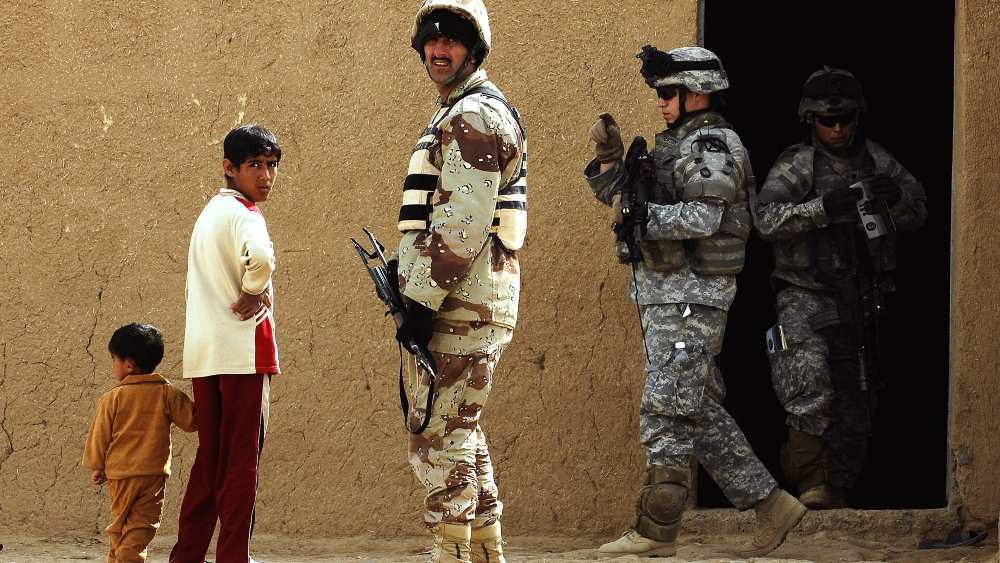

The United States completed the withdrawal of its remaining forces from Iraq on Wednesday, concluding a military presence that began with the 2003 invasion and shifting the focus of its regional mission to Jordan.
The withdrawal was agreed by Washington and Baghdad in 2024. Most U.S. forces are already out of Iraq, with hundreds of troops remaining in the semi-autonomous Kurdish region until the Sept. 30 cutoff.
U.S. forces will continue to conduct anti-Islamic State operations from Jordan, where Washington says it can strike militants who threaten American personnel and interests. If the group ” metastasises to something beyond [Iraq and Syria’s] control,” the United States could step in to help Iraqi or Syrian forces, the official told The Washington Post.
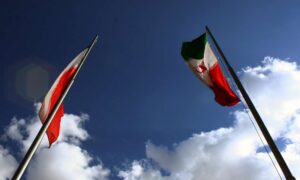
Iran and its allied groups in Iraq have welcomed the departure, while some Iraqi and Kurdish officials have expressed concern about the loss of U.S. intelligence, surveillance and air defence support;
Militias, backed by Iran, have celebrated the withdrawal as a return of Iraqi sovereignty. Security analysts also have warned that the departure could boost Tehran’s influence and give Islamic State sleeper cells more room to regroup.