

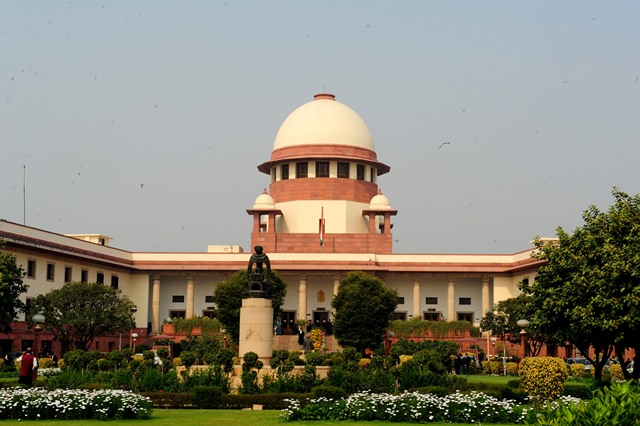

New Delhi: The Supreme Court reiterated that menstrual hygiene is a fundamental right under Article 21 and gave defaulting states and Union Territories four weeks to submit compliance affidavits, warning that chief secretaries could be summoned for continued non-compliance.
The apex court on Friday expressed strong displeasure over the failure of several states and Union Territories (UTs) to comply with its judgment on menstrual hygiene facilities in schools. The court granted the government of India and defaulting states a final opportunity to submit compliance reports and scheduled the next hearing for December 14.
A two-judge bench comprising Justices JB Pardiwala and KV Viswanathan criticised the lack of response from most states despite repeated communications seeking details of measures taken to implement the judgment.
“We are concerned that despite the government of India seeking reports from all states and UTs (Union Territories) on the steps taken, the majority have not responded, reflecting the apathy towards women’s health and dignity,” the bench observed.The court was reviewing the implementation of its landmark January 30 judgment, which recognised menstrual hygiene as an integral part of the right to life with dignity under Article 21 of the Constitution.
The judgment directed governments to ensure access to menstrual hygiene facilities, awareness programmes and adequate sanitation infrastructure in schools and public institutions. Expressing concern over the failure of several states and UTs to implement its directions, the bench observed that such inaction undermines the constitutional rights of women and girls.
“The States must realise that menstrual health is not a taboo subject to be ignored. It is directly linked to health, education and dignity,” the bench said.The January 30 judgment directed authorities to provide free sanitary napkins in schools, functional toilets with running water, incinerators for sanitary waste disposal and menstrual hygiene education as part of the school curriculum.
An Additional Solicitor General (ASG), appearing for the Centre, informed the court that communications had been sent to chief secretaries of all states and UTs seeking information on the implementation of these measures.
The communications sought details of free or affordable sanitary napkins, functional toilets with water facilities, disposal infrastructure and menstrual health education. However, only a handful of states and UTs had responded.
The bench directed the defaulting states and UTs to file comprehensive affidavits within four weeks, specifying the policies framed, funds sanctioned, sanitary pads distributed and toilets constructed.