

Iran is nearing a deal with China to purchase anti-ship cruise missiles, six sources familiar with the negotiations told Reuters, as the United States deploys naval forces near Iran amid rising tensions.
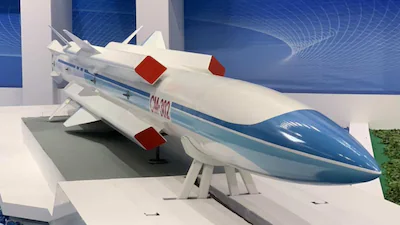
According to the report, Tehran is close to finalising an agreement for Chinese-made CM-302 supersonic missiles, though no delivery date has been set.
With a range of about 290 kilometres, the missiles are designed to fly low and fast to evade shipborne defences.
Talks that began roughly two years ago accelerated after last June’s 12-day conflict between Israel and Iran. As negotiations progressed, senior Iranian officials — including Deputy Defence Minister Massoud Oraei — reportedly travelled to China.
“It’s a complete gamechanger if Iran has supersonic capability to attack ships in the area,” said Danny Citrinowicz, a former Israeli intelligence officer and now a senior researcher at Israel’s Institute for National Security Studies.
“These missiles are very difficult to intercept.”
Details such as the number of missiles involved, pricing, and whether Beijing will proceed amid heightened regional tensions remain unclear.
An Iranian foreign ministry official said Tehran has military and security agreements with its allies and that “now is an appropriate time to make use of these agreements.”
China’s Foreign Ministry denied knowledge of any such talks, and its defence ministry did not comment.
The White House did not directly address the reported negotiations. A US official reiterated President Donald Trump’s stance that Iran must reach a deal over its nuclear programme or face serious consequences.
If completed, the transfer would rank among the most advanced Chinese military systems supplied to Iran and could challenge UN restrictions on arms transfers. Sanctions imposed in 2006 were suspended under the 2015 nuclear deal before being reimposed last September.
The potential sale highlights expanding military cooperation between China and Iran, complicating US efforts to restrain Tehran’s missile and nuclear programmes. China, Iran and Russia conduct annual joint naval drills, and last year the US sanctioned several Chinese entities for allegedly supplying missile-related materials to Iran’s Islamic Revolutionary Guard Corps — claims Beijing denied.
During a September visit to Beijing, Chinese President Xi Jinping told Iranian President Masoud Pezeshkian that China supports Iran’s sovereignty and territorial integrity. China later joined Russia and Iran in a joint letter criticising the reimposition of sanctions.
Last week, Trump said Iran had 10 days to reach a nuclear agreement or risk military action, as Washington prepares contingency plans for sustained operations if ordered.