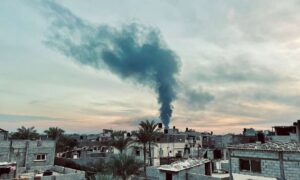

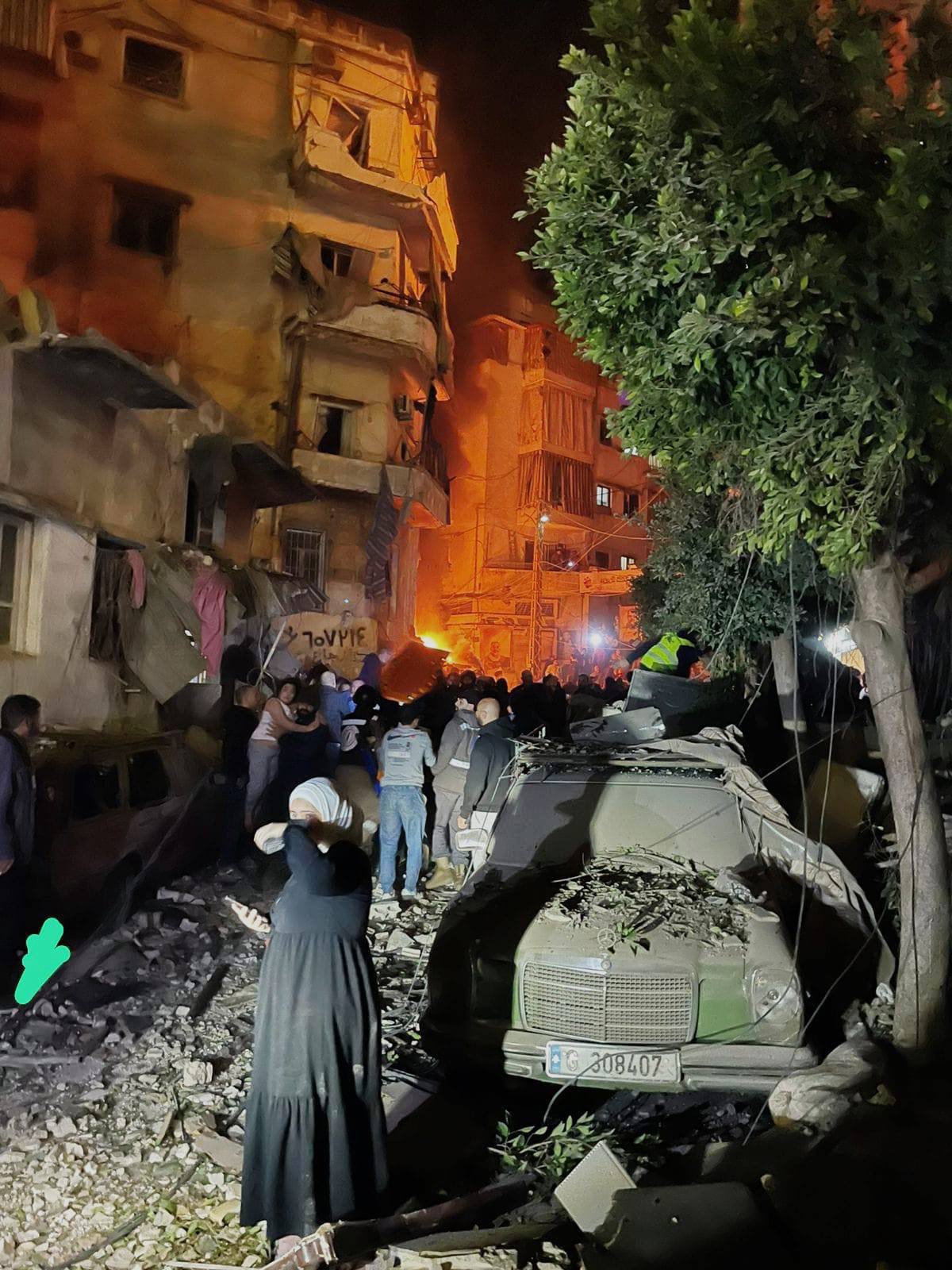

Israel launched a fresh series of airstrikes on Lebanon’s capital Beirut and ordered evacuations in parts of southern Lebanon, intensifying its offensive against Hezbollah amid a rapidly widening regional conflict.
One of the strikes flattened a building in central Beirut—an area lined with businesses and hotels, and not considered part of Hezbollah’s traditional stronghold in the city’s southern suburbs—underscoring the expanding scope of the attacks.
The escalation comes alongside heightened military activity involving the United States. The US military said it had deployed powerful “deep penetrator” bombs targeting Iranian missile sites along the Strait of Hormuz, a crucial global oil transit route that Iran has effectively blocked since the conflict began.
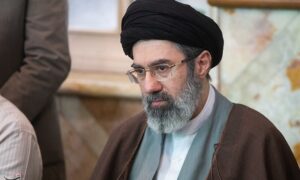
Tensions further spiked after Iran’s security chief, Ali Larijani, was killed in an Israeli strike, marking the most senior Iranian official to be targeted since Supreme Leader Ali Khamenei. Iran’s army chief warned of a “decisive” response, signalling the potential for further escalation.
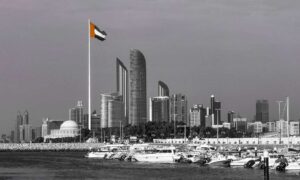
Retaliatory strikes by Iran and allied militia groups have continued across the region. In Israel, two people were reported killed in Tel Aviv, while explosions and drone interceptions were reported in multiple countries, including the UAE, Qatar, Kuwait, Iraq, Bahrain and Saudi Arabia.
Inside Iran, fear among civilians is mounting. Residents described living under constant threat, with one woman in Tehran saying she was too afraid to go to work, adding that leaving home now “feels like gambling with my life.”
The developments point to a deepening crisis with growing regional implications, as multiple fronts remain active and the risk of a broader conflict increases.