
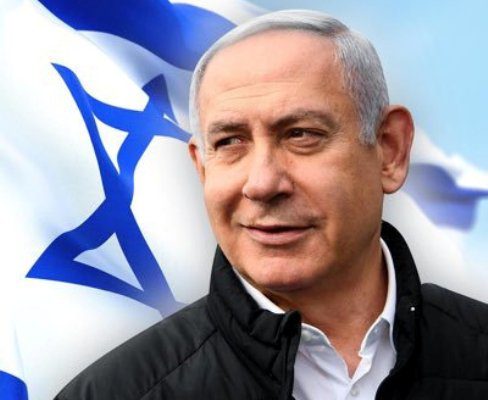

Knesset on Monday approved its annual budget after an overnight session, securing Prime Minister Benjamin Netanyahu’s government the ability to serve out its term until the fall.
Israel was required to pass the budget before April 1 to avoid early elections, though Netanyahu retains the option to call polls earlier if he chooses.
The budget drew sharp criticism from opposition leaders, who accused the government of increasing allocations to ultra-Orthodox communities despite mounting costs from the war with Iran and the lingering impact of the Gaza conflict.
Opposition leader Yair Lapid described the budget as “the greatest theft in the state’s history,” while former prime minister Naftali Bennett called it a “nocturnal heist.”
Much of the anger centred on a last-minute provision allocating an additional $250 million to ultra-Orthodox schools. Critics have increasingly questioned the community’s exemption from mandatory military service at a time when the armed forces are under strain.
Finance Minister Bezalel Smotrich defended the budget, saying it addresses the needs of all citizens.
The $270 billion budget, the largest in Israel’s history, includes a 20% increase in defence spending, pushing the allocation to $45 billion due to the ongoing conflict with Iran, while forcing cuts in other sectors.
The measure passed 62-55, with proceedings briefly interrupted by missile alert sirens from incoming Iranian attacks. The session was held in an auditorium closer to a bomb shelter instead of the main chamber.
With elections due by October, the passage of the budget increases the likelihood that Netanyahu’s government will complete its full term, despite declining popularity following the October 7, 2023, attack by Hamas.
Meanwhile, continued missile strikes from Iran and escalating tensions with Hezbollah in Lebanon have disrupted daily life in Israel, alongside broader economic impacts caused by instability in the Persian Gulf.