
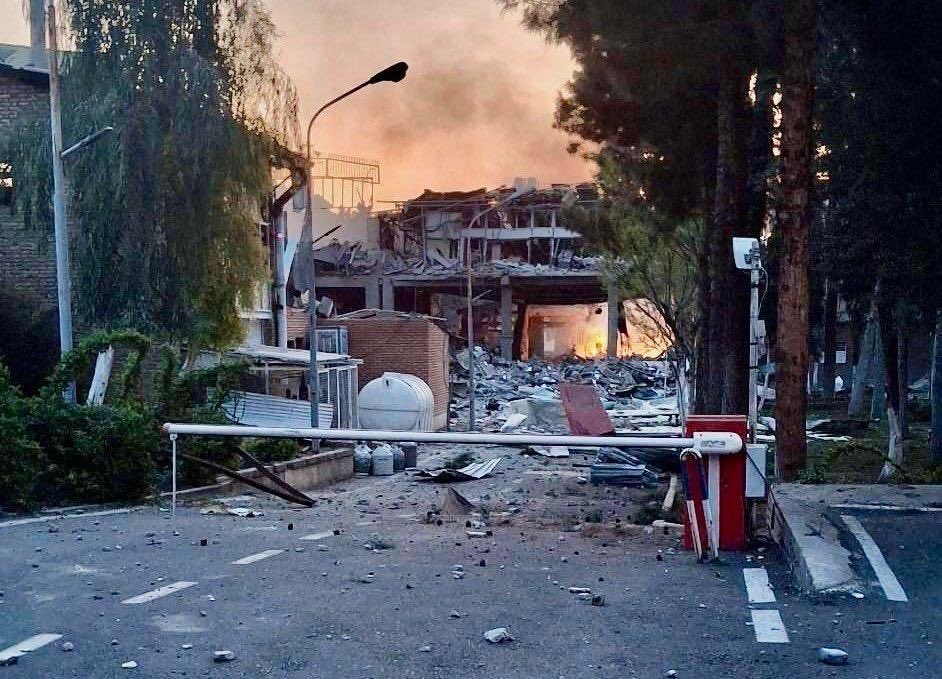

US President Donald Trump agreed to a two-week ceasefire with Iran just hours before the deadline he had set for Tehran to surrender, warning that otherwise “an entire civilisation could perish overnight.” Reports suggest the decision came after last-minute diplomatic efforts led by Pakistan.
Tehran also accepted the truce, stating it would ensure the safe movement of maritime traffic through the strategically crucial Strait of Hormuz for the next two weeks. However, it clarified that the ceasefire does not mark the end of hostilities.
“Our hands remain on the trigger, and any misstep by the enemy will be met with full force,” Iran’s Supreme National Security Council said.
For any nation to act as a mediator, it must have the confidence of both parties. Iran’s trust in several Arab nations has eroded due to their close ties with the US, especially after Tehran targeted Gulf countries in response to US-Israel airstrikes. In contrast, Pakistan shares a border and longstanding diplomatic relations with Iran, reflected in Iranian Foreign Minister Abbas Araghchi referring to Pakistani leaders as “dear brothers.”
Pakistan’s lack of diplomatic ties with Israel, largely due to the Palestine issue, further strengthens Tehran’s trust.
On the other side, US-Pakistan relations have improved in recent times. Islamabad’s participation in Trump’s “Board of Peace” initiative for Gaza and Trump’s praise for Pakistan Army Chief Asim Munir — whom he reportedly called his “favourite Field Marshal” — highlight growing ties.
Munir is also believed to have strong connections within both US and Iranian defence circles, enhancing Pakistan’s role as a credible intermediary.
Additionally, Pakistan’s balanced relations with Gulf nations position it well to bring multiple stakeholders together in efforts to de-escalate the conflict.