

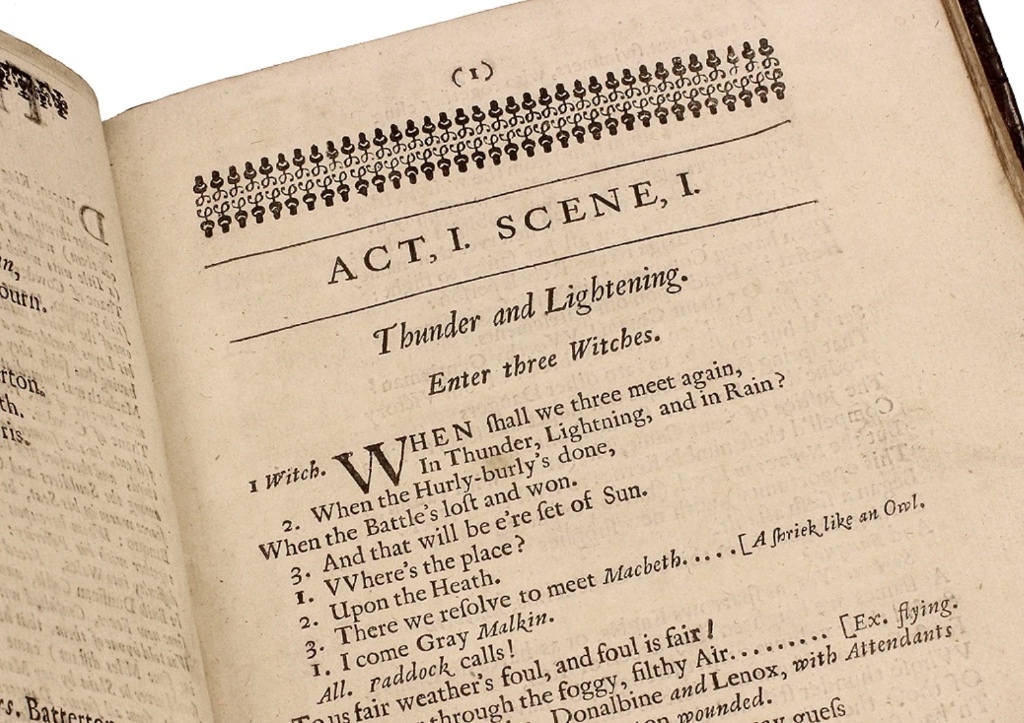

William Shakespeare’s Macbeth is one of the most famous tragedies in English literature. The play tells the story of Macbeth, a brave soldier who becomes interested in becoming king after three witches predict that he will one day wear the crown. His desire for power slowly becomes stronger than his sense of right and wrong. He murders King Duncan to become king and then commits more crimes to protect his position.
In my opinion, Macbeth is not only a story about murder and kingship. It is mainly a story about ambition, power, guilt, fear and the destruction of a person’s peace of mind. Macbeth does not start the play as a cruel or evil person. He is respected, brave and loyal. However, his uncontrolled ambition changes him completely.
The most important message of the play, in my view, is that power gained through wrong means can never bring real happiness or peace.
Macbeth’s Ambition
Ambition is the main reason behind Macbeth’s downfall. At the beginning, Macbeth does not openly plan to become king. Everything changes when the witches tell him that he will become the Thane of Cawdor and later the King of Scotland.
When the first part of the prophecy comes true, Macbeth starts believing that he can become king. He begins thinking about killing Duncan.
What is important here is that the witches never directly tell Macbeth to murder Duncan. They only make a prediction. Macbeth himself chooses how to respond to that prediction.
This shows that Macbeth cannot blame the witches completely for his actions. They may have planted the idea in his mind, but Macbeth makes the final decision.
Before killing Duncan, Macbeth actually knows that the murder is wrong. He understands that Duncan is a good king and that killing him will have serious consequences. He even admits that the only thing pushing him towards the murder is his ambition.
This makes Macbeth an interesting tragic character. He knows what is right, but he chooses to do what is wrong because he wants power.
The role of the witches
The three witches are very important in the play because they create confusion and temptation.
They tell Macbeth about his future, but they do not force him to do anything. Their words make Macbeth think about what he could become.
This raises an important question: Was Macbeth controlled by fate, or did he choose his own downfall?
I believe Shakespeare gives us a mixture of both. The witches introduce the possibility of Macbeth becoming king, but Macbeth chooses the actions that lead to his downfall.
If Macbeth had simply waited to see what happened, the story might have been very different. Instead, he becomes impatient. He wants to make the prophecy come true immediately.
This shows how dangerous impatience and uncontrolled desire can be.
The witches can also be seen as a symbol of temptation. They represent the kind of thoughts that make people want something without thinking carefully about the consequences.
Lady Macbeth
Lady Macbeth plays an important role in Macbeth’s decision to kill Duncan. At the beginning of the play, she appears stronger and more determined than her husband.
When Macbeth becomes afraid of murdering Duncan, Lady Macbeth questions his courage and manhood. She tells him, in different ways, that if he is truly brave, he should go ahead with the plan.
She understands Macbeth’s weakness and uses it to push him towards murder.
However, I do not think it is fair to say that Lady Macbeth is completely responsible for Macbeth’s crimes. Macbeth makes his own choices. After Duncan’s murder, he becomes more violent even without Lady Macbeth’s encouragement.
In fact, their roles later change. Lady Macbeth begins to suffer from guilt and mental pressure, while Macbeth becomes increasingly violent and emotionally cold.
Her sleepwalking scene is especially important. Earlier, she believed that the blood of Duncan could easily be washed away. Later, she becomes obsessed with the blood on her hands.
This shows that guilt cannot always be hidden or forgotten.
Blood and guilt
Blood is one of the strongest symbols in Macbeth.
At the beginning, blood represents bravery because Macbeth is introduced as a soldier who fights for his country. After Duncan’s murder, however, blood becomes a symbol of guilt and crime.
Macbeth becomes deeply disturbed after killing Duncan. He feels that the blood on his hands cannot simply be washed away.
As the play continues, Macbeth commits more murders. The more violence he uses, the less peaceful his life becomes.
This is an important lesson of the play. One wrong action often leads to another. Macbeth kills Duncan to become king, but then he has to commit more crimes to keep his crown.
His first murder therefore does not solve his problems. It creates new ones.
Power makes Macbeth more afraid
One of the most interesting parts of Macbeth is that getting power does not make Macbeth happy.
Before becoming king, Macbeth wants power because he thinks it will make his life better. But after becoming king, he becomes more afraid.
He begins worrying about Banquo because the witches have predicted that Banquo’s descendants will become kings. Macbeth becomes afraid that his own family will lose the throne.
As a result, he arranges Banquo’s murder.
This shows a strange side of power: the more Macbeth gets, the more he fears losing it.
Instead of enjoying his position as king, he spends his time worrying about enemies and possible threats.
His ambition therefore becomes a kind of prison. He gets what he wants, but he cannot enjoy it.
Macbeth’s change
Macbeth changes greatly throughout the play.
At the beginning, he is a brave and respected soldier. He is capable of feeling guilt and thinking carefully about his actions.
After Duncan’s murder, he slowly becomes a different person.
At first, he needs Lady Macbeth to encourage him. Later, he makes plans to kill people by himself.
He becomes suspicious, violent and cruel. He even orders the killing of Macduff’s innocent wife and children.
This is one of the saddest parts of Macbeth’s story. He starts as a human being with a conscience but slowly destroys that part of himself.
His ambition does not simply make him a bad king. It changes his personality.
Macbeth and Lady Macbeth’s relationship
Macbeth and Lady Macbeth begin the play as close partners. They share the same ambition and work together to achieve their goal.
But their relationship becomes weaker after Duncan’s murder.
Macbeth begins making important decisions without telling Lady Macbeth. He plans Banquo’s murder and other acts of violence on his own.
Lady Macbeth, meanwhile, becomes mentally disturbed by guilt.
This change shows how their shared ambition eventually separates them.
The two characters wanted the same thing—the crown—but achieving it destroys their relationship and their peace of mind.
The meaning of ‘Tomorrow’
Near the end of the play, Macbeth gives a famous speech beginning with the word “Tomorrow.”
At this point, Macbeth has lost almost everything. His wife is dead, his enemies are approaching, and he has become tired of life.
He begins to feel that life has no real meaning.
This is important because Macbeth finally understands what his ambition has done to him. He wanted to become king because he believed the crown would give him something valuable. Instead, he loses his happiness, relationships and peace.
In my opinion, this is the real tragedy of Macbeth.
He wins the crown but loses his life in every other sense.
Macbeth as a political tragedy
Macbeth is also a story about politics and leadership.
Duncan is presented as a good and respected king. Macbeth becomes king through murder rather than through a legitimate process.
After taking the throne, Macbeth rules through fear.
People no longer feel safe under his leadership. Scotland suffers because of his actions.
This shows that a country can suffer when a leader puts personal ambition above the welfare of the people.
Macbeth’s story can therefore be seen as a warning about leaders who gain power through violence and then use more violence to remain in power.
Appearance and reality
Another important theme in Macbeth is the difference between what things look like and what they really are.
Macbeth and Lady Macbeth often pretend to be innocent while hiding their plans.
For example, Macbeth welcomes Duncan into his home while secretly planning to kill him.
Lady Macbeth also tells Macbeth to behave normally so that nobody will suspect them.
This creates a world where people cannot easily trust each other.
Shakespeare seems to suggest that when people start hiding the truth, society becomes dangerous.\
Is Macbeth a victim
Some people may see Macbeth as a victim of the witches or Lady Macbeth. I do not completely agree with this idea.
The witches influence him, and Lady Macbeth pressures him, but Macbeth is still responsible for his actions.
Nobody physically forces him to kill Duncan. He knows that murder is wrong and still chooses to do it.
At the same time, I think Shakespeare wants us to understand Macbeth rather than simply hate him.
We see his fear, guilt, confusion and sadness. We see how one bad decision leads to another.
This makes him a tragic character rather than a simple villain.