

Kathmandu: Nepal is paying the ultimate price for a global crisis it did not create,” Nepal’s Foreign Minister Shisir Khanal has said, as the Himalayan nation seeks climate-related compensation from India, China and the United States following devastating flash floods in the Bhotekoshi River basin.
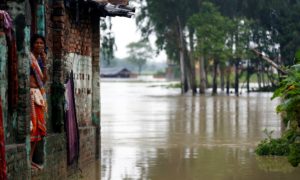
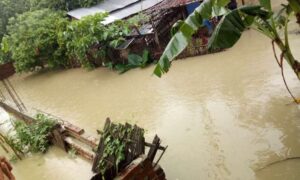
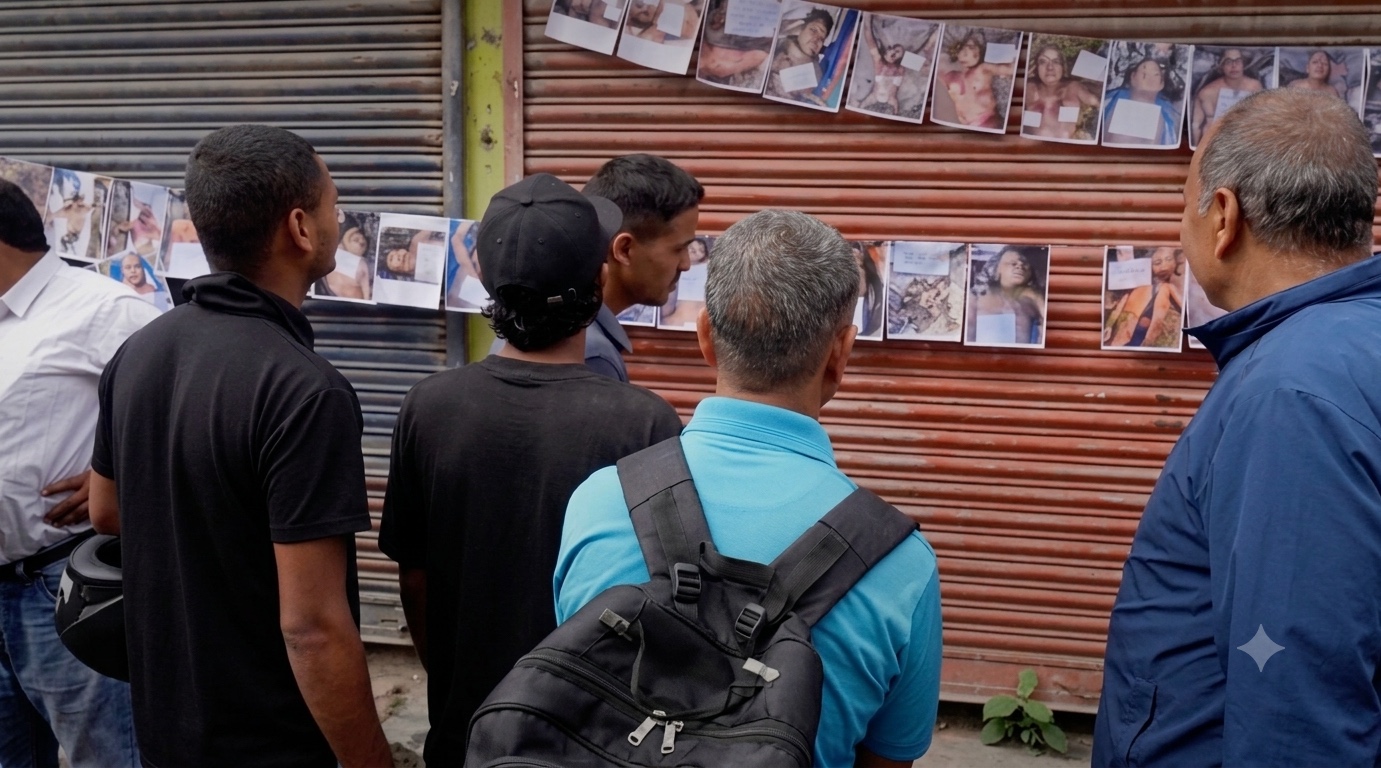
More than 1,100 bodies have been recovered, while nearly 4,500 people remain missing after a massive surge of freezing water, rocks and debris, triggered by a high-altitude glacial collapse, swept through villages along the Tibet-Nepal border on August 26.
Khanal said Nepal was shifting its diplomatic approach from seeking “aid” to pursuing “justice and compensation”, arguing that assistance following climate-related disasters should be treated as a question of responsibility rather than charity.
“The rapid melting of glaciers and these catastrophic mountain tsunamis are direct consequences of global climate change,” Khanal said in an interview with Kantipur TV, excerpts of which were published by The Kathmandu Post and PTI.
He said Nepal contributes “virtually negligible” greenhouse gas emissions but faces disproportionate consequences from global warming, including rapid glacier melt and increasingly severe mountain disasters.
“This is not a matter of charity; it is a matter of legal and moral liability,” he said.
Khanal identified China, the United States and India as the world’s three largest greenhouse gas emitters and argued that they have a historical responsibility towards vulnerable countries.
“The major industrial emitters – such as China, which is the world’s top emitter, the United States at number two, and India at number three – have a historical responsibility to compensate vulnerable nations like Nepal,” he said.
Khanal said Nepal would raise the climate issue “with absolute firmness and clarity” at international forums and seek compensation for climate-related losses suffered by vulnerable countries.
“This is a matter of civilisational survival. If our Himalayan glaciers disappear, the water security of over two billion people in South Asia, dependent on rivers like the Ganges and the Trishuli, will be permanently compromised,” he said.
“We are advocating not just for Nepal, but for the survival of South Asian civilisation.”
Nepal’s Finance Ministry has formally sent a climate compensation claim letter to its international partners, according to Khanal.
Nepal has also approached the board of the Fund for Responding to Loss and Damage, seeking urgent financial assistance following the August 26 flash flood in the Bhotekoshi River basin.
A letter jointly signed by Nepal’s Finance Minister Swarnim Wagle and Forests and Agriculture Minister Geeta Chaudhary sought an urgent response to the disaster, which caused widespread deaths, displacement and destruction of homes and critical infrastructure.
“The full scale of economic and non-economic loss and damage has yet to be determined; however, preliminary information indicates that the consequences are extensive and exceed Nepal’s immediate response capacity,” the letter said.
The Fund for Responding to Loss and Damage was established at the 27th Conference of the Parties (COP27) in 2022 and operationalised at COP28.
India has repeatedly emphasised climate equity and its relatively low per capita emissions, maintaining that countries’ climate obligations should account for differences in historical emissions, development needs and capacities.
New Delhi has supported efforts to address loss and damage suffered by vulnerable developing countries. It has also maintained that Western countries, which industrialised earlier, have consumed the majority of the global carbon budget.
India’s position is that developed countries should provide the financial resources needed to help vulnerable nations deal with the effects of climate change.
The disaster has also prompted a renewed focus on the vulnerability of Himalayan communities to climate-related hazards and the potential impact of accelerating glacier melt on water security across South Asia.