
Srinagar: More than 4,200 books have been withdrawn from circulation in Jammu and Kashmir over what the government described as “objectionable material”, according to a reply given in the Assembly on Tuesday.
The government did not specify the period during which the books were removed. However, the response stated that around 94 per cent of the withdrawn titles were from institutions in the Kashmir division, while the remaining books were withdrawn in the Jammu division.
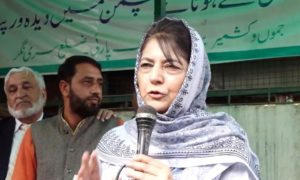
The issue was raised by Langate MLA and Awami Ittehad Party leader Sheikh Khursheed.
According to the government, “clear and objective criteria” were adopted to identify material considered objectionable as part of the scrutiny of books available in colleges. The exercise was undertaken in accordance with directions issued by the Higher Education Department.
The government said higher education institutions are intended to promote learning, research and academic excellence and should provide an environment that supports constitutional values, academic freedom, critical thinking, scientific temper, responsible citizenship, and respect for the sovereignty, unity and integrity of India.
Khursheed, however, as quoted by The Indian Express, expressed dissatisfaction with the response, saying it did not disclose the names of the books or authors whose works had been withdrawn. He said he intended to pursue the matter further.
The government said 21,81,512 titles were examined through a three-level “academic and content scrutiny mechanism”. The process involved committees at the college, directorate and administrative department levels, following which 4,249 books were withdrawn from circulation.
A circular issued by the Higher Education Department in July stated that a transparent and accountable institutional mechanism was required for the evaluation, academic and content audit, procurement, recommendation, retention, circulation and periodic review of academic material.
The department said the mechanism was intended to prevent the inclusion or continued availability of publications containing factually inaccurate, misleading, inflammatory, unlawful or otherwise objectionable material.
The guidelines also cover content that directly or indirectly promotes, glorifies, legitimises or justifies terrorism, violent extremism, secessionism, radicalisation or activities considered prejudicial to the sovereignty, unity, integrity or security of the country.
Under the framework, the academic and content audit is to assess the relevance of publications, factual accuracy and pedagogical suitability, besides examining their compliance with the Constitution, applicable laws, University Grants Commission regulations, government policies and the educational objectives of the Higher Education Department.