
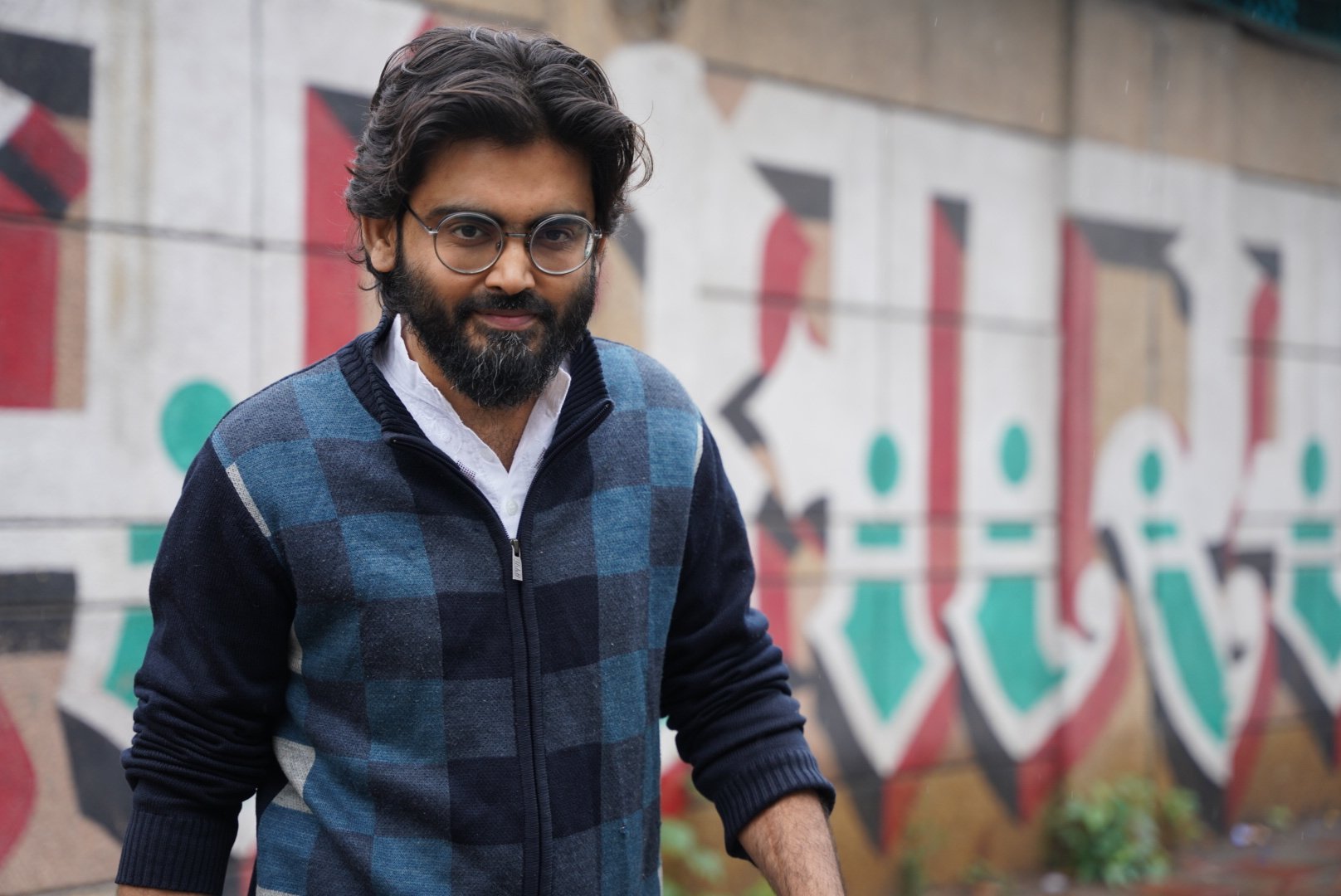

New Delhi: The Delhi High Court on Wednesday denied bail to former Jawaharlal Nehru University (JNU) scholar Umar Khalid and student activist Sharjeel Imam in the larger conspiracy case related to the February 2020 Delhi violence.
A division bench comprising Justices Prathiba M Singh and Dinesh Bhatt passed the order.
The court noted that the Supreme Court, in January 2026, had rejected the bail pleas of Khalid and Imam while allowing them to approach the court again after one year or after the examination of protected witnesses, whichever was earlier.
The high court observed that neither of the two conditions had been fulfilled and said granting bail at this stage would effectively amount to modifying the Supreme Court’s order, which it could not do.
“In view of the above discussion and overall facts of these cases, specifically the conditions imposed by the Supreme Court in Gulfisha Fatima, this court cannot find fault with the order passed by the trial court. The present appeals are therefore dismissed,” the court said.
This is the third time the Delhi High Court has denied bail to Khalid and Imam.
The latest round of proceedings followed the Supreme Court’s January 2026 order, in which five accused were granted bail while Khalid and Imam were denied relief. They subsequently approached the trial court, which rejected their bail pleas on July 4, following which they moved the high court.
Their pleas also relied on the Supreme Court’s judgment in the separate case of Syed Iftikhar Andrabi, where a different bench had raised questions concerning the January 2026 decision denying bail to Khalid and Imam. The two argued that the judgment represented a change in circumstances warranting reconsideration of their bail pleas.
The prosecution, however, argued that a judgment by a coordinate bench in a separate case could not override the specific findings and directions issued by the Supreme Court in Khalid and Imam’s own case.
Senior Advocate Trideep Pais, appearing for Umar Khalid, argued that he should be granted bail as the trial was unlikely to conclude in the near future. He referred to observations made by the Supreme Court in the Syed Iftikhar Andrabi and Tasleem Ahmed cases concerning prolonged incarceration and delay in trial.
Pais also submitted that there are 18 accused in the case and that a majority of them have already been granted bail by the Supreme Court.
Advocate Talib Mustafa, representing Sharjeel Imam, argued that the Supreme Court’s January 2026 order itself recognised that continued incarceration without meaningful progress in the trial could constitute a ground for seeking bail. Since, according to the defence, there had been no significant progress in the trial, Imam was entitled to bail, he submitted.
Additional Solicitor General SV Raju, appearing for the prosecution, opposed the pleas and argued that the alleged roles of Khalid and Imam could not be equated with those of the accused who had been granted bail.
Raju further submitted that, under the Supreme Court’s January 2026 order, Khalid and Imam could seek bail again only after January 2027 or once the protected witnesses had been examined.
The case concerns the alleged larger conspiracy behind the February 2020 Delhi riots. Khalid and Imam have denied the allegations against them.