

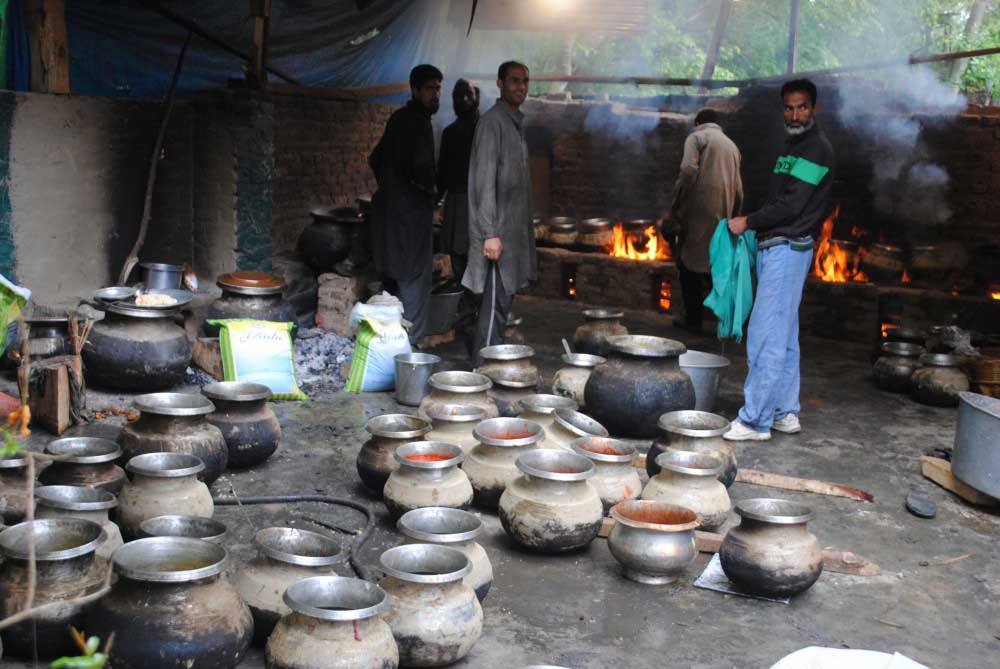

The recent advisory issued by the Waza Association against holding wedding feasts beyond 10 pm has received widespread appreciation. Rightly so. It is a sensible decision that addresses a practice which has unnecessarily become part of our social life.
However, along with appreciation, one question also needs to be asked: Why did it take us so long to speak against a practice that should have been stopped years ago?
In Kashmir, wedding feasts and other functions often continue late into the night. What should be a simple celebration has turned into a social burden for many families. People spend hours preparing food, arranging functions and attending gatherings that sometimes continue well beyond midnight. It causes trouble for guests, affects daily routines and creates unnecessary pressure on families.
The bigger problem is that we continue many such practices simply because they have been followed for years. Nobody wants to question them. If someone tries to speak against them, it is often seen as going against tradition. But should every tradition be followed just because it is old? Should we not have the courage to leave behind customs that bring more harm than good?
Islam teaches us simplicity and discourages wasteful spending and unnecessary hardship. Yet, we often follow social customs that go against these basic teachings. Some practices have become so common that people have started treating them as an important part of our culture, even when they have no real religious value. This is something we need to think about seriously.
We have seen similar efforts in the past. In some villages of north Kashmir, people came together to discourage the practice of dowry. It was a good step because dowry has put a heavy burden on the families of brides for years. Many parents struggle financially because of the expectations attached to marriage. Islam does not demand dowry from the bride’s family. Instead, it gives the right of Mahr to the bride.
These examples show that change is possible when people take a stand together. But the question is why do we wait for so long? Why do our religious and social organisations speak against such practices only after they have become deeply rooted in society?
The Waza Association deserves appreciation for taking this initiative. But this should not be the end of the discussion. There are many other customs that need to be questioned, including unnecessary wedding expenses, dowry and the growing habit of showing off during social functions.
A society cannot progress if it keeps carrying the burden of harmful customs. We need to understand that not everything done in the name of tradition is right. Sometimes, real progress begins when we have the courage to change our own ways.
The decision has come late, but it is still a good beginning. What matters now is that people follow it in practice. We should not wait for another organisation or another generation to speak against the next harmful custom.
If we know something is wrong, why should we wait for years to change it?