

Following Israel’s announcement of controlling the Philadelphi Corridor along the Palestine-Egypt border on Wednesday, the army reinforced its blockade of Gaza, capturing all aid entry points, Anadolu Agency reported.
This severed Gaza’s connection with Egypt, enabling Israel to restrict humanitarian aid to the region, which is already facing a severe crisis due to ongoing attacks since October 7, 2023.
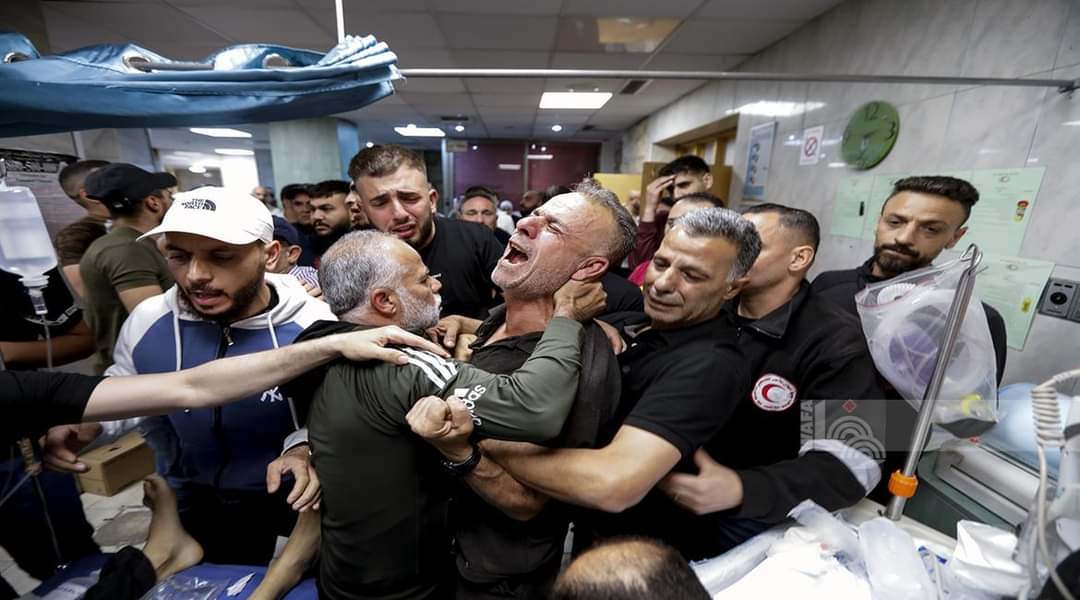
The 2.3 million Palestinians in Gaza are experiencing critical shortages of food, water, and medicine. Israel’s restrictions violate international laws and exacerbate the humanitarian situation.
Gaza’s Media Office stated that the population, including 2 million displaced individuals, needs over 7 million meals per day due to Israel’s blockade.
Israel also seized the Rafah Border Crossing on May 7, blocking aid delivery and evacuation routes. Egypt has refused to cooperate with Israel’s actions, blaming Tel Aviv for the crisis.
Despite an agreement between Egyptian President Abdel Fattah al-Sisi and U.S. President Joe Biden on May 24 to temporarily allow aid through the Kerem Abu Salem crossing, only a limited number of trucks have entered Gaza due to Israeli restrictions.
The Gaza government reported only 215 aid trucks entered last week, while a temporary US-built pier delivered just 100 trucks before collapsing.
Israel’s control of the Philadelphi Corridor strengthens the 18-year blockade initiated after Hamas took control of Gaza in 2007. The blockade includes the closure of several border crossings, further isolating Gaza.
The international community, including the UN, is calling for the opening of all border crossings to address the humanitarian crisis. UNRWA’s Sam Rose emphasized the dire situation, urging international pressure on Israel to allow aid through Rafah and Kerem Abu Salem.