


India has announced sweeping cuts in Goods and Services Tax (GST) rates on hundreds of consumer goods, ranging from soaps and toothpaste to small cars and televisions, in a bid to stimulate domestic demand amid global trade headwinds.
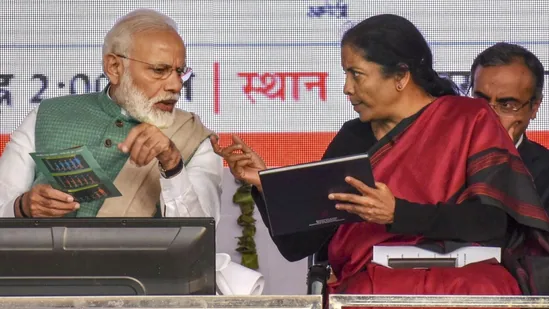
Finance Minister Nirmala Sitharaman said the government has simplified the GST structure, reducing the existing four-tier system to two slabs of 5% and 18%.
In some cases, the tax burden has been cut by more than half. Essential household items like shampoo and toothpaste will now attract just 5% tax instead of 18%, while products such as small cars, air conditioners, and televisions will be taxed at 18% instead of 28%.
The changes, which come into effect on September 22 to coincide with the start of the Navratri festival, are expected to cost federal and state governments about Rs480 billion ($5.49 billion) in revenue.
However, economists believe higher consumption will offset the losses. The reforms also exempt insurance premiums, including life and health coverage, from taxation. At the same time, the government has retained a 40% tax on “super luxury” and “sin” goods like cigarettes, high-end cars, and carbonated drinks.
While the US recently imposed tariffs of up to 50% on Indian goods, Sitharaman insisted the cuts were part of long-planned reforms and not directly linked to the trade row. Still, Prime Minister Narendra Modi hailed the move as a step toward self-reliance and ease of doing business.
Analysts, quoted in multiple reports, said the decision will benefit consumer goods companies such as Hindustan Unilever and Godrej, as well as automakers like Maruti and Toyota.
India’s economy grew at 7.8% in the June quarter, and the tax reforms are expected to provide an additional boost to growth through increased household spending.