


The Gaza Strip — a narrow stretch of land roughly 40 km long and 11 km wide — is home to about 2.3 million people packed into just 360 square kilometres, an area scarcely larger than central Sydney, PTI reported.
Over centuries, this land has seen countless civilisations rise and fall, leaving behind a history of conflict and destruction.
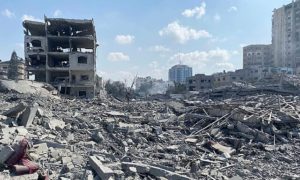
The Israel-Palestine war has brought devastating consequences. According to UN estimates, over 67,000 Palestinians have been killed and nearly 170,000 wounded, while 1,200 Israelis have died and 5,400 have been injured since October 7, 2023. Much of Gaza now lies in ruins, with 83% of its buildings and homes damaged. The UN warns that Gaza’s ability to sustain human life is in doubt.
Although a ceasefire is currently in place, hopes for long-term peace remain fragile. Lasting stability will depend on rebuilding Gaza’s capacity to support its population.
Gaza resembles a post-disaster zone, its devastation comparable to that caused by a Category 4 or 5 hurricane. In the immediate term, food, medicine, and clean water are essential to save lives. Opening border crossings for humanitarian aid would be critical in addressing shortages.
Engineers will play a central role in reconstruction. Restoring power, water, sewage systems, and pumping stations is an urgent priority, as failure to do so could trigger outbreaks of diseases like typhus and dysentery. Unexploded ordnance must also be cleared, while unsafe buildings will require demolition to prevent collapses.
Once basic safety and utilities are restored, focus must shift to rebuilding hospitals, schools, homes, roads, and government institutions, all of which have been severely damaged.
Experts warn it could take decades to rebuild Gaza’s infrastructure. Emergency repairs might be possible within six months, but delays could make winter especially harsh. The sheer volume of rubble — comparable to Beirut’s 32 million tonnes of demolition waste from recent conflicts — poses another logistical nightmare.
Historical parallels suggest the scale of effort required: Stalingrad took over 20 years to rebuild after World War II, and Warsaw didn’t complete its postwar recovery until the 1980s.
Rebuilding Gaza will need not only vast funding but also materials, labour, and lasting peace. At present, Israel controls Gaza’s power, fuel, and water supplies, leaving the territory dependent on external sources. The UN Relief and Works Agency (UNRWA) continues to provide crucial humanitarian support — in September alone, it supplied 18 million litres of water to 370,000 people and removed 4,000 tonnes of solid waste.
Sustaining Gaza’s population will require at least 3 billion litres of water and over 600,000 tonnes of waste removal annually, demanding a massive engineering and financial commitment.
Developing independent ports and transport routes will be vital for self-sufficiency. Some of the debris from destroyed buildings might even be repurposed to reclaim land or construct coastal barriers — though contamination poses major risks.
Rebuilding Gaza will require billions of dollars and decades of effort. Without sustained international aid, material costs will soar, and shortages of skilled workers will persist. Even with substantial donor support, reconstruction will be a prolonged and complex process — one of the largest humanitarian and engineering challenges of the century.