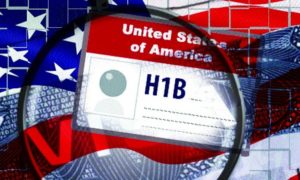

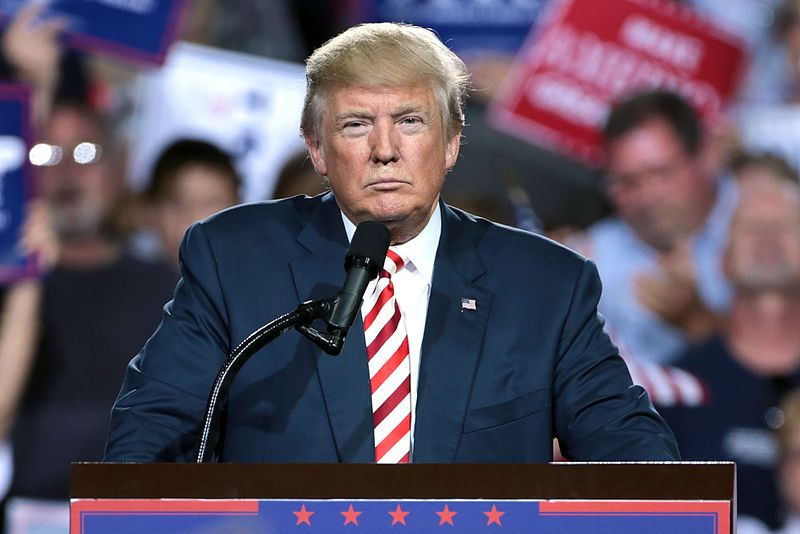

The US Chamber of Commerce, the nation’s largest business organisation, has filed a lawsuit against the Trump administration challenging the proposed $100,000 H-1B visa application fee, calling the move “unlawful.”
In the suit, filed Thursday in a Washington district court, the Chamber argued that the new fee would cause “serious harm to American businesses,” forcing them to either raise labour costs substantially or reduce hiring of highly skilled foreign professionals for whom domestic replacements are scarce. The complaint described Trump’s September 19 proclamation as both “plainly unlawful” and a “gift to America’s economic competitors.”
The lawsuit asserts that while the President does have considerable authority over immigration, that power is limited by statute and cannot contradict laws enacted by Congress.
Neil Bradley, Executive Vice President of the Chamber, said in a statement that such a fee would make it “prohibitively expensive for US employers” to access global talent, at a time when the nation’s economy “needs more workers, not fewer.”
The Chamber represents around 300,000 direct members and indirectly advocates for over three million businesses and professional organizations across the country.
This is the second major legal challenge to the administration’s H-1B policy, following an earlier lawsuit filed on October 3 in the Northern District of California by unions, educators, and religious groups. That complaint claimed Trump’s proclamation contained “multiple errors” and overlooked the economic value of the H-1B programme. It also described the $100,000 fee as “unprecedented, unjustified, and unlawful.”
Plaintiffs in that case included organisations such as the Justice Action Center, South Asian American Justice Collaborative, and Democracy Forward Foundation.
When announcing the policy in September, Trump said it aimed to “encourage companies to hire American workers.”Commerce Secretary Howard Lutnick backed the plan, arguing it would deter firms from training or employing foreign workers.
Lutnick explained: “These companies will have to pay the government $100,000 plus the employee’s salary, making it uneconomical. The idea is to train American graduates instead of bringing in foreigners to take our jobs.”
The proclamation initially created confusion, with many believing it would affect existing H-1B visa holders. The White House later clarified that the fee would apply only to new applications, not renewals or current holders.
Subsequently, the Department of Homeland Security (DHS) proposed changes to the H-1B visa system, suggesting the replacement of the lottery system with a merit-based process that prioritises higher-skilled applicants.
In 2024, India-born professionals received over 70% of approved H-1B visas, largely due to processing backlogs and the high concentration of skilled Indian applicants.