The world never stops. Noise everywhere. Phones buzzing. Screens flashing. People rushing. Cars honking. Messages piling up.
Reading asks for something different. A chair. A book. Time to sit. Time to think. Time to notice. Not others. Just yourself.
Once, reading was part of life. Newspapers at breakfast. Books on a shelf. Stories passed from hand to hand. Now, it feels rare. Precious.
I remember seeing a boy on the train once. Maybe ten years old. He had a thick book in his lap. His eyes moved slowly across the page. He whispered the words to himself. Not a sound from the world outside could reach him. He was alone. But he wasn’t lonely.
Some mornings, I see people reading on the train. Not scrolling, not typing, just reading. A short story, a page, a poem. They lean back. Close their eyes. Let it sink in. I watch and think: this is rebellion. Quiet, but strong.
Reading changes you. It stretches your mind. Makes you remember. Makes you feel. Makes you care.
Neuroscientists say that reading strengthens the brain’s neural networks, deepens concentration, and improves emotional intelligence.
Even six minutes of reading can lower stress levels by nearly 70%, a number that still surprises most people.
You don’t need studies to see it. You notice it. When a story stays in your head. When a line makes you pause. When a character feels like a friend, you’ve lost.
Fiction teaches empathy. Life lives there. You see someone else. You feel what they feel. A novel, a short story. They leave traces in the brain. In the heart.
Studies in both the U.S. and India show that people who read literary fiction score higher on empathy and social understanding. Books open interior doors we didn’t know existed.
Sometimes, reading heals. Children read to calm fear. Adults read to forget noise. Young people read to find themselves. Sometimes, it is the only quiet they have. Sometimes, it is the only truth.
Mental-health experts often recommend reading as a grounding practice as something that slows the breath, steadies the heart, and brings the mind back to itself.
I watched a woman in a café a few weeks ago. She had a thick novel open in front of her. A cup of coffee half-drunk beside it. She kept glancing up at the street, but always came back to the page. You could see her breathe more slowly, relax.
For a moment, she belonged to the story. Not the city. Not the rush.
Still, attention is shrinking. Notifications scream. Pleasure reading falls. People forget the rhythm of a page.
They forget how it feels to slow down. The world presses in.
Recent surveys in India show that fewer people finish entire books now, and average attention spans continue shrinking under constant digital pressure.
Yet, some fight back. Libraries fill again. Cafés host reading circles. Bookshops have lines. People want the quiet. People want connection.
A young woman told me she reads every night before bed. Fifteen minutes. Only fifteen.
But it matters. The rest of the day is noise. Work. Messages. Obligations. Her reading is her anchor. She closes the book, breathes, sleeps. She says she feels herself again.
Reading feeds writing. Writers read to find their voice. They read to see the world in new ways. Reading shapes thought. Shapes empathy. Shapes life. Even fifteen minutes a day can change how you feel.
Teachers often observe that students who read regularly write better, think more clearly, and show more patience with difficult tasks.
I sat once with an old man in a café. He had a stack of books beside him. He turned pages slowly. A poem. A letter. A story. I asked what he was reading.
He said, “I’m visiting old friends.”
That’s what books are sometimes. Old friends. They wait for you. They stay even when the world rushes past.
The best reading is private. Not a performance. Not a post. Not a share. Just you. And the words. Rumi. Harper Lee.
A short story you can hold in your hands. Time pauses. Stillness comes. Breath slows. The soul speaks.
Sometimes, reading becomes a community. A circle. A club. You read aloud. You hear others read. You nod. You laugh. You cry.
One young writer said, “When I read, I feel less alone. When I write, I find my voice.”
Even small acts matter. A boy reading under a streetlamp. A girl flipping pages on a balcony.
An old woman rereading the same lines she loved years ago. Reading is not grand. It is quiet. It is patient. It is persistence.
Books do not compete with screens. They offer something else. Time. Reflection. Space to feel. Space to be.
Studies show that reading before bed improves sleep quality and reduces nighttime anxiety, something technology rarely gives.
When a child opens a storybook, the world slows. The story grows. The child grows.
The world is full of noise. Yet reading teaches listening. Not to others, but to yourself. A single line can linger. A paragraph can hold a memory. A story can echo a lifetime.
Libraries are changing. Not just buildings. They are places of pause. Public libraries in India are seeing a return. People borrow books. Sit in corners. Read. Think. Discuss.
Cafés host reading circles. Young poets read aloud. An audience nods. Smiles. Learns. Shares.
Digital tools help, too. Millions of resources are now online. Students in villages read stories, essays, and historical texts.
Their world opens. Access becomes opportunity. Knowledge becomes connection.
Yet, nothing replaces the quiet page. Nothing replaces holding a book. Feeling it in your hands. Turning it slowly. Savouring it.
You read a poem. Pause. Close your eyes. Let it settle.
You read a short story. Feel it in your chest. Breath slows. The heart beats differently.
Reading is small. Simple. Silent. But it is faith. It reminds us that meaning exists. That time can pause. That we can feel more. Hear more. Live more.
Between the words, there is space. Space for thought. Space for feeling. Space for the soul.
In classrooms, teachers notice a change. Students who read perform differently. They think differently. They write differently. Fifteen minutes of reading transforms focus. Builds patience. Enhances imagination.
One long-term study found that students with stronger reading habits perform better across nearly every subject. Deep reading builds deep thinking.
Parents notice it too. A mother watching her son read before bed. A father sees his daughter carry a book to the bus. Not for grades. Not for accolades. But for themselves.
The rhythm of the page becomes the rhythm of life.
Even in hospitals, reading helps. Children distracted by fear, adults distracted by pain. Books give space. Time. Solace.
A nurse once told me a boy recovered faster because he could read, even for a few minutes. He smiled while reading. That smile mattered.
Reading is often invisible. But it is real. Its effects subtle, yet profound. A mind calmed. A heart softened. Empathy grown. Perspective widened.
The world seems bigger. The self feels clearer.
Stillness is hard. But stillness teaches. Reading teaches.
Each line a step. Each paragraph a breath. Each story a life lived.
And in the quiet, we notice the world and ourselves at once.
A man in a park reads on a bench. Leaves fall around him. Children shout far away. He does not move. He is in the story.
The world slows for him. And in this slowing, he remembers. He feels. He lives.
Perhaps this is the essence of reading.
It is not passive. It is not trivial.
It is engagement. Faith. Hope. Connection.
You read, and the world bends around the lines.
You close the book, and the world seems quieter, softer, more manageable.
We live distracted lives. Yet reading gives us a gift.
Time to pause. Space to reflect. A bridge to others. A mirror for ourselves.
Fifteen minutes. Thirty minutes. An hour. It does not matter.
The act itself transforms.
Experts across the world agree on one truth: deep reading is not just a hobby as it is nourishment for the brain and medicine for the soul.
In the silence between words, we hear what we lost.
In the pause between paragraphs, we feel what we forgot.
In the story itself, we find the quiet courage to live more fully, to think more clearly, to feel more deeply.
Reading is not luxury. It is necessity.
Not for exams. Not for work.
But for the self. For the mind. For the heart. For the soul.
In that silence, we come home.
Not to the world outside.
But to ourselves.
And in that quiet, we find the truth:
Meaning still exists.
Humanity still exists.
And in the stillness between words, the soul speaks again.



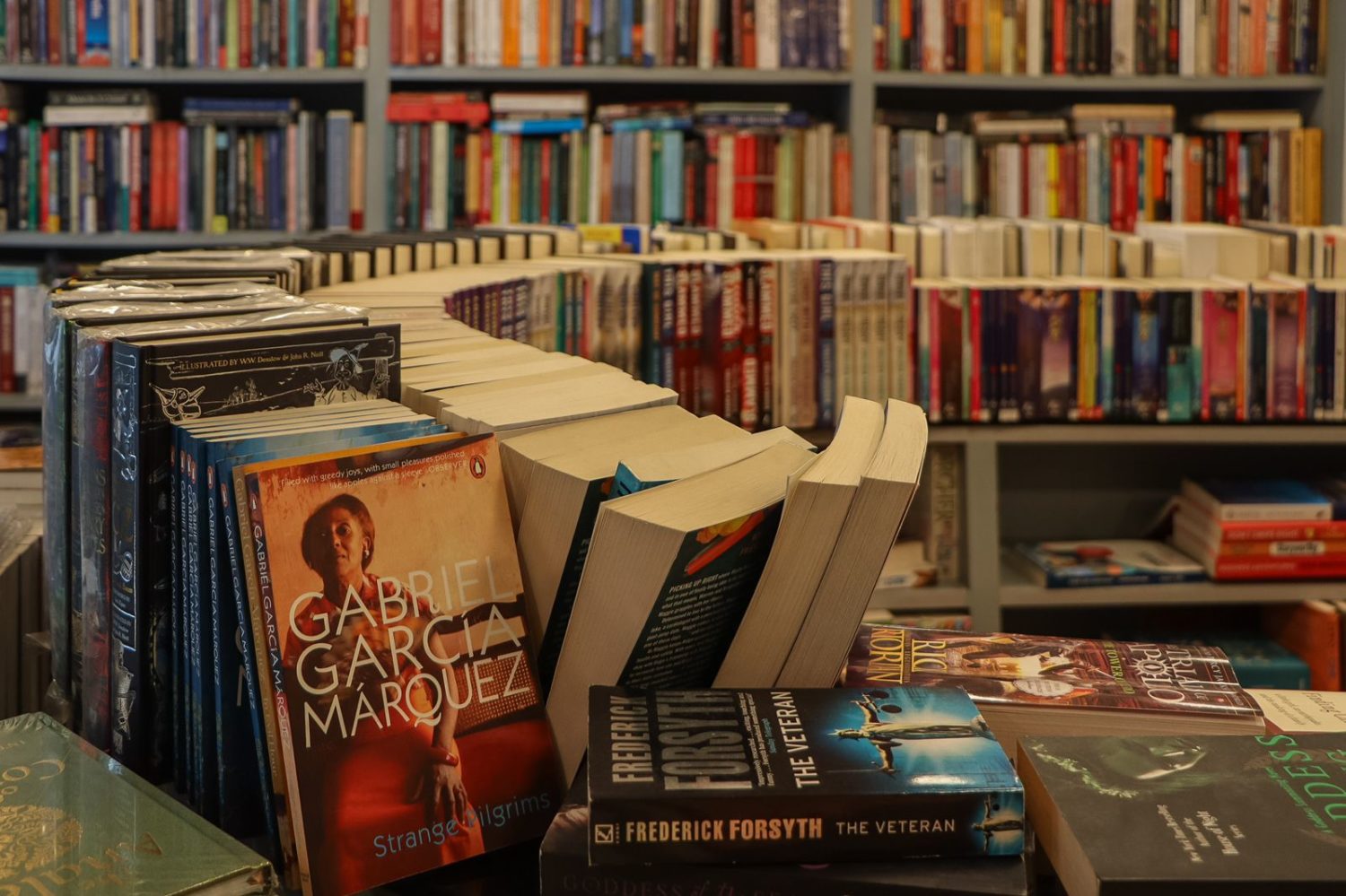








The world never stops. Noise everywhere. Phones buzzing. Screens flashing. People rushing. Cars honking. Messages piling up.
Reading asks for something different. A chair. A book. Time to sit. Time to think. Time to notice. Not others. Just yourself.
Once, reading was part of life. Newspapers at breakfast. Books on a shelf. Stories passed from hand to hand. Now, it feels rare. Precious.
I remember seeing a boy on the train once. Maybe ten years old. He had a thick book in his lap. His eyes moved slowly across the page. He whispered the words to himself. Not a sound from the world outside could reach him. He was alone. But he wasn’t lonely.
Some mornings, I see people reading on the train. Not scrolling, not typing, just reading. A short story, a page, a poem. They lean back. Close their eyes. Let it sink in. I watch and think: this is rebellion. Quiet, but strong.
Reading changes you. It stretches your mind. Makes you remember. Makes you feel. Makes you care.
Neuroscientists say that reading strengthens the brain’s neural networks, deepens concentration, and improves emotional intelligence.
Even six minutes of reading can lower stress levels by nearly 70%, a number that still surprises most people.
You don’t need studies to see it. You notice it. When a story stays in your head. When a line makes you pause. When a character feels like a friend, you’ve lost.
Fiction teaches empathy. Life lives there. You see someone else. You feel what they feel. A novel, a short story. They leave traces in the brain. In the heart.
Studies in both the U.S. and India show that people who read literary fiction score higher on empathy and social understanding. Books open interior doors we didn’t know existed.
Sometimes, reading heals. Children read to calm fear. Adults read to forget noise. Young people read to find themselves. Sometimes, it is the only quiet they have. Sometimes, it is the only truth.
Mental-health experts often recommend reading as a grounding practice as something that slows the breath, steadies the heart, and brings the mind back to itself.
I watched a woman in a café a few weeks ago. She had a thick novel open in front of her. A cup of coffee half-drunk beside it. She kept glancing up at the street, but always came back to the page. You could see her breathe more slowly, relax.
For a moment, she belonged to the story. Not the city. Not the rush.
Still, attention is shrinking. Notifications scream. Pleasure reading falls. People forget the rhythm of a page.
They forget how it feels to slow down. The world presses in.
Recent surveys in India show that fewer people finish entire books now, and average attention spans continue shrinking under constant digital pressure.
Yet, some fight back. Libraries fill again. Cafés host reading circles. Bookshops have lines. People want the quiet. People want connection.
A young woman told me she reads every night before bed. Fifteen minutes. Only fifteen.
But it matters. The rest of the day is noise. Work. Messages. Obligations. Her reading is her anchor. She closes the book, breathes, sleeps. She says she feels herself again.
Reading feeds writing. Writers read to find their voice. They read to see the world in new ways. Reading shapes thought. Shapes empathy. Shapes life. Even fifteen minutes a day can change how you feel.
Teachers often observe that students who read regularly write better, think more clearly, and show more patience with difficult tasks.
I sat once with an old man in a café. He had a stack of books beside him. He turned pages slowly. A poem. A letter. A story. I asked what he was reading.
He said, “I’m visiting old friends.”
That’s what books are sometimes. Old friends. They wait for you. They stay even when the world rushes past.
The best reading is private. Not a performance. Not a post. Not a share. Just you. And the words. Rumi. Harper Lee.
A short story you can hold in your hands. Time pauses. Stillness comes. Breath slows. The soul speaks.
Sometimes, reading becomes a community. A circle. A club. You read aloud. You hear others read. You nod. You laugh. You cry.
One young writer said, “When I read, I feel less alone. When I write, I find my voice.”
Even small acts matter. A boy reading under a streetlamp. A girl flipping pages on a balcony.
An old woman rereading the same lines she loved years ago. Reading is not grand. It is quiet. It is patient. It is persistence.
Books do not compete with screens. They offer something else. Time. Reflection. Space to feel. Space to be.
Studies show that reading before bed improves sleep quality and reduces nighttime anxiety, something technology rarely gives.
When a child opens a storybook, the world slows. The story grows. The child grows.
The world is full of noise. Yet reading teaches listening. Not to others, but to yourself. A single line can linger. A paragraph can hold a memory. A story can echo a lifetime.
Libraries are changing. Not just buildings. They are places of pause. Public libraries in India are seeing a return. People borrow books. Sit in corners. Read. Think. Discuss.
Cafés host reading circles. Young poets read aloud. An audience nods. Smiles. Learns. Shares.
Digital tools help, too. Millions of resources are now online. Students in villages read stories, essays, and historical texts.
Their world opens. Access becomes opportunity. Knowledge becomes connection.
Yet, nothing replaces the quiet page. Nothing replaces holding a book. Feeling it in your hands. Turning it slowly. Savouring it.
You read a poem. Pause. Close your eyes. Let it settle.
You read a short story. Feel it in your chest. Breath slows. The heart beats differently.
Reading is small. Simple. Silent. But it is faith. It reminds us that meaning exists. That time can pause. That we can feel more. Hear more. Live more.
Between the words, there is space. Space for thought. Space for feeling. Space for the soul.
In classrooms, teachers notice a change. Students who read perform differently. They think differently. They write differently. Fifteen minutes of reading transforms focus. Builds patience. Enhances imagination.
One long-term study found that students with stronger reading habits perform better across nearly every subject. Deep reading builds deep thinking.
Parents notice it too. A mother watching her son read before bed. A father sees his daughter carry a book to the bus. Not for grades. Not for accolades. But for themselves.
The rhythm of the page becomes the rhythm of life.
Even in hospitals, reading helps. Children distracted by fear, adults distracted by pain. Books give space. Time. Solace.
A nurse once told me a boy recovered faster because he could read, even for a few minutes. He smiled while reading. That smile mattered.
Reading is often invisible. But it is real. Its effects subtle, yet profound. A mind calmed. A heart softened. Empathy grown. Perspective widened.
The world seems bigger. The self feels clearer.
Stillness is hard. But stillness teaches. Reading teaches.
Each line a step. Each paragraph a breath. Each story a life lived.
And in the quiet, we notice the world and ourselves at once.
A man in a park reads on a bench. Leaves fall around him. Children shout far away. He does not move. He is in the story.
The world slows for him. And in this slowing, he remembers. He feels. He lives.
Perhaps this is the essence of reading.
It is not passive. It is not trivial.
It is engagement. Faith. Hope. Connection.
You read, and the world bends around the lines.
You close the book, and the world seems quieter, softer, more manageable.
We live distracted lives. Yet reading gives us a gift.
Time to pause. Space to reflect. A bridge to others. A mirror for ourselves.
Fifteen minutes. Thirty minutes. An hour. It does not matter.
The act itself transforms.
Experts across the world agree on one truth: deep reading is not just a hobby as it is nourishment for the brain and medicine for the soul.
In the silence between words, we hear what we lost.
In the pause between paragraphs, we feel what we forgot.
In the story itself, we find the quiet courage to live more fully, to think more clearly, to feel more deeply.
Reading is not luxury. It is necessity.
Not for exams. Not for work.
But for the self. For the mind. For the heart. For the soul.
In that silence, we come home.
Not to the world outside.
But to ourselves.
And in that quiet, we find the truth:
Meaning still exists.
Humanity still exists.
And in the stillness between words, the soul speaks again.
Recommended for you