
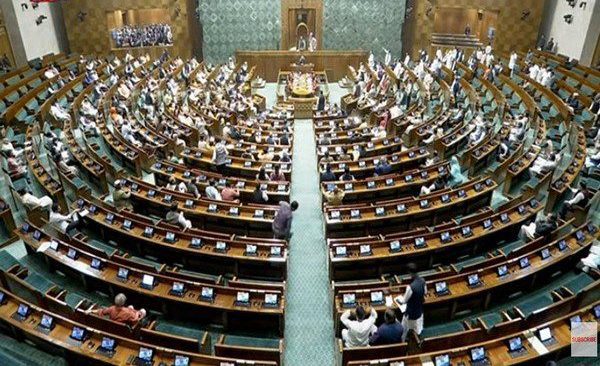

New Delhi: Parliament’s Winter Session opens Monday and will run through December 19, with 15 sittings scheduled over 19 days.
The government is preparing to push a packed legislative agenda, including at least 13 new bills tied to the economy and national security. The Opposition, meanwhile, plans to press the government of India (GoI) on the SIR issue, security lapses, and other pending concerns.
Key bills set for introduction include the Central Excise Amendment Bill, 2025, and the Health Security National Security Cess Bill, 2025. Finance Minister Nirmala Sitharaman is expected to table both measures in the Lok Sabha. The legislation seeks to replace the GST compensation cess on “sin goods” such as tobacco and pan masala with a revised excise duty.
Officials say the proposed shift would maintain the current high tax burden on these products while creating a steadier revenue stream for national security and public health.
The Health Security National Security Cess Bill also calls for a cess on machinery and processes used to manufacture certain goods, with the stated objective of boosting funds for defence and health programs.
Several other major bills are listed for the session, including amendments to laws governing national highways, corporate regulations, insurance, and higher education, as well as the Atomic Energy Bill. The atomic energy proposal is expected to draw scrutiny because it could, for the first time, allow private companies to set up nuclear power plants.
Parliament will also take up discussion and voting on the first batch of Supplementary Demands for Grants for 2025–26.
On the Opposition side, parties have signalled that they will push for an urgent debate on the SIR issue and may disrupt proceedings if it’s blocked. They also plan to raise national security concerns following the recent car blast in Delhi, along with issues tied to labour codes, the powers of Governors, and pending state dues.