


India and France have amended a three-decade-old tax treaty, slashing dividend levies for large French investors while expanding Delhi’s authority to tax certain transactions.
The changes are expected to benefit major companies such as Sanofi, Renault and L’Oreal, which have broadened their investments in India over the past few years.
The revised treaty also gives India the authority to tax capital gains arising from the sale of shares, including transactions where a French entity owns less than 10% of an Indian company.
The agreement will also remove a most-favoured-nation (MFN) clause, which had allowed French entities to claim a lower tax rate in India. The treaty will come into effect after completing formalities and legal approvals in both countries.
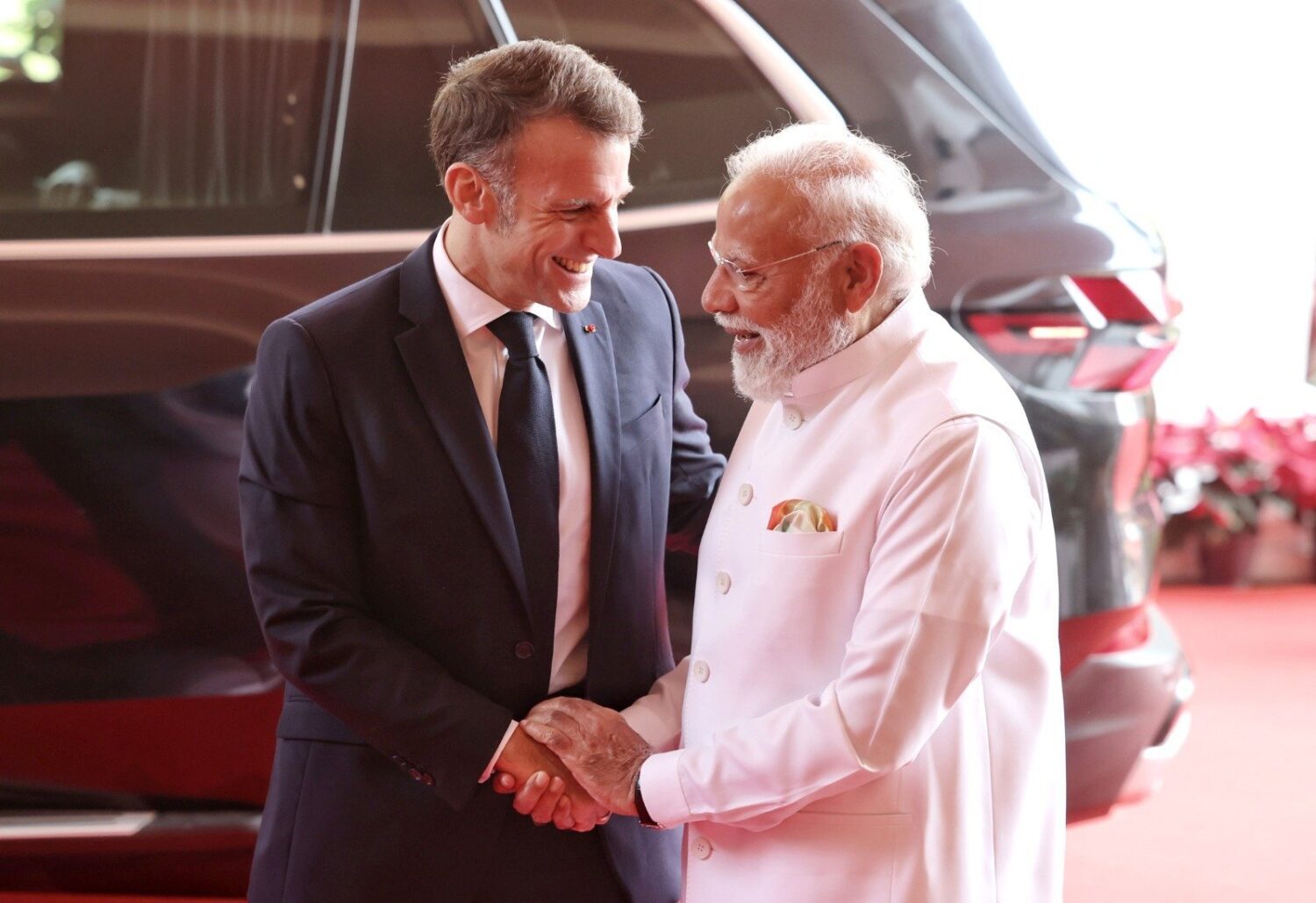
The details of the revised treaty were released by India’s finance ministry on Monday, days after French President Emmanuel Macron visited India. During the visit, the countries announced the elevation of their relationship to a “Special Global Strategic Partnership” and deepened cooperation in areas such as defence and space technology.
On 17 February, both countries in a joint statement welcomed the amendment to the bilateral tax treaty. The statement stated that it would “secure economic activity for French and Indian businesses and pave the way for greater investments and collaborations between the two countries”.
According to the data, as of January 2026, France-based foreign portfolio investors held shares worth $21bn (£15.6bn) in Indian companies. Bilateral trade between India and France stood at $15bn last year.
Under the new rules, French companies holding at least a 10% stake in an Indian company will have to pay 5% tax on dividends – down from 10% earlier. However, the tax on dividends for French investors holding less than 10% in an Indian company would rise from 10% to 15%.
The removal of the MFN clause is in line with a 2023 judgement by India’s Supreme Court. In this case, the clause allowed countries that are members of the Organisation for Economic Co-operation and Development (OECD) to claim the benefit of lower tax rates if India later granted more favourable terms under a separate treaty to another member of the multinational forum. While France is a member of OECD, India is a key partner.
However, the top court ruled that such benefits cannot be applied automatically in such treaties and required a notification to be issued.
Global consultancy and financial services firm KPMG, in a statement, said that the revised treaty “realigns the bilateral trade framework with India’s current treaty policy” and international tax standards.