
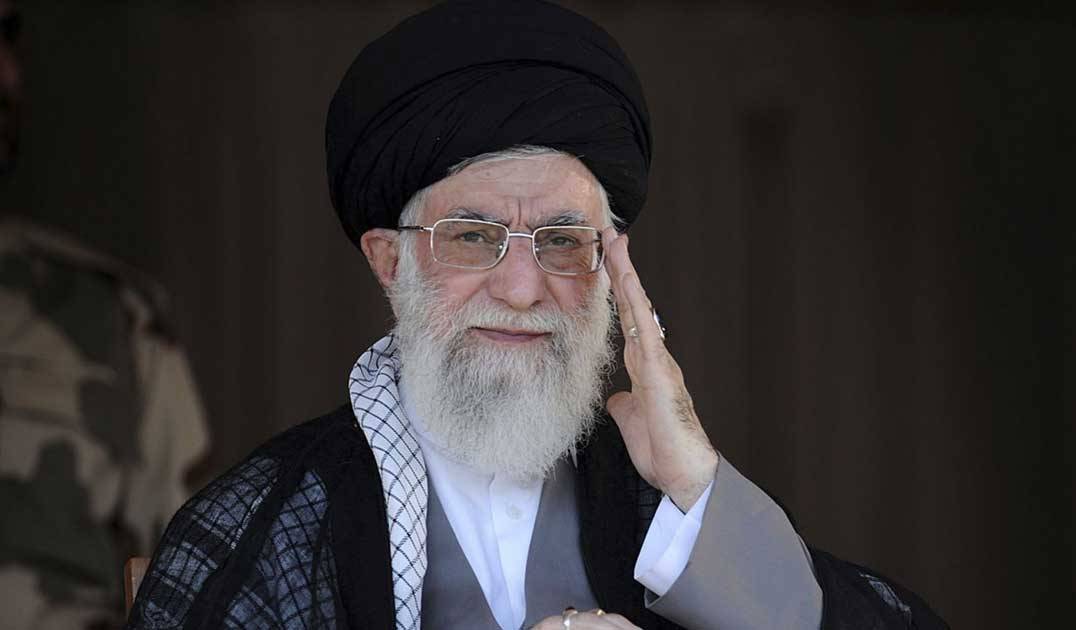

Iranian state media has confirmed the death of Supreme Leader Ali Khamenei after earlier issuing denials and describing reports of his killing as “psychological warfare” by the country’s adversaries.
The semi-official Fars News Agency said Khamenei was killed while working in his office when the strike occurred. The report added that his daughter, son-in-law and grandson were also killed in the attack.
The Iranian government has declared 40 days of public mourning in the wake of Khamenei’s killing, Fars News Agency has reported. It also announced seven days of public holidays.
US President Donald Trump had announced late Saturday that Khamenei died in joint US-Israeli strikes, a claim initially rejected by Iran’s foreign ministry, state outlets and the leader’s office. In a detailed message on his Truth Social platform, Trump said the killing delivered justice “for the people of Iran” as well as Americans, adding that the Iranian leader had been unable to evade advanced US intelligence and tracking systems coordinated with Israel.
Trump also described the moment as a major opportunity for Iranians to reclaim control of their country, suggesting that members of Iran’s security forces who chose not to resist could be granted immunity.
Earlier, Israeli Prime Minister Benjamin Netanyahu said there were “many signs” indicating that Khamenei had been killed.
Iranian media reported that Saturday’s strikes hit 24 provinces and killed at least 201 people, citing figures from the Iranian Red Crescent. Tehran subsequently launched retaliatory attacks against Israeli territory and US military-linked assets across the Middle East.
Following confirmation of Khamenei’s death, Iranian authorities declared 40 days of national mourning and announced a week of public holidays, according to Fars.
Born in 1939 in the north-eastern Iranian city of Mashhad to a clerical family, Ali Khamenei joined the religious opposition movement of Ayatollah Khomeini in 1962.
Following the 1979 Islamic Revolution, Khamenei was appointed deputy defence minister and played a role in establishing the Islamic Revolutionary Guard Corps (IRGC).
After Khomeini’s death in June 1989, the Assembly of Experts selected Khamenei as supreme leader, amending the constitution to enable his appointment despite his not holding the highest traditional rank within the Shia clerical hierarchy.
Since then, he exercised tight control over Iran’s political system and military, quelling dissent against the ruling establishment, at times through force. He also adopted consistently hard-line positions in foreign policy, particularly toward the United States, while voicing strong hostility toward Israel.
During his tenure, seven Iranian presidents served under his leadership, and he is survived by six children.