
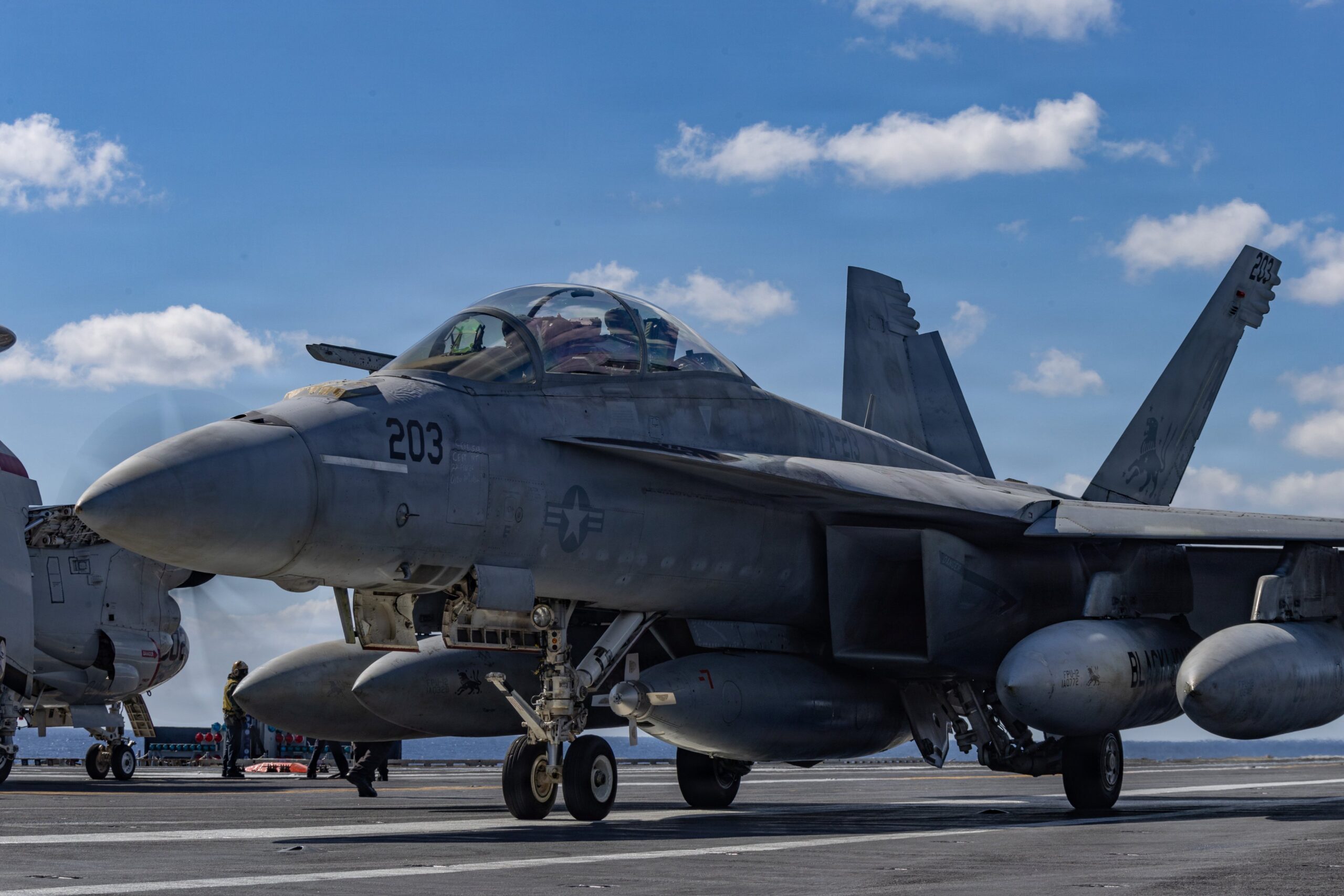

At least 1,230 people have been killed in US and Israeli attacks on Iran since Saturday, according to Al Jazeera report, as the conflict in the region continued to escalate.
Massive explosions hit several locations in Tehran overnight, including residential neighbourhoods and areas near Tehran University. Iran’s semi-official Fars News Agency said two schools in the town of Parand, southwest of the capital, were struck by missiles.
Israeli jets also carried out strikes on towns in southern and eastern Lebanon, including Douris in the Bekaa Valley, and targeted the southern suburbs of the capital Beirut.
US President Donald Trump said Iran was being demolished “ahead of schedule and at levels people have never seen before,” claiming the country now has “no air force, no air defence” and that its air force is “gone.”
Iran continued launching attacks across the region, targeting Gulf countries including the United Arab Emirates, Qatar and Bahrain. Meanwhile, Tel Aviv came under a combined drone and missile barrage late Thursday night.
On February 28, armies of both Israel and the United States jointly carried out coordinated air and missile strikes inside Iran. Israel dubbed the offensive Operation Lion’s Roar, while Washington called its role Operation Epic Fury.
The strikes targeted military bases, nuclear-linked facilities and senior leadership sites, including the compound of Supreme Leader Ayatollah Ali Khamenei, who was killed in the assault.
Iran responded with missile and drone attacks on Israeli territory, triggering air raid sirens in major cities, and also targeted US military installations and allied infrastructure across the Gulf. Iranian strikes were reported on ports, airfields and commercial facilities in countries such as Oman.
The escalation has drawn sharp international concern. A United Nations fact-finding mission said both the US-Israeli strikes and Iran’s retaliatory attacks violated the UN Charter, highlighting significant civilian casualties.
What began as years of proxy tensions has now turned into direct military confrontation, widening the conflict across the region, involving Gulf states and raising fears over energy security and adherence to international law.
Khamenei’s killing has drawn widespread global responses, with reactions ranging from condemnation and calls for peace to protests and political statements. Major world powers like Russia strongly condemned the strikes, with President Vladimir Putin describing the killing as a “cynical violation” of international norms and unjustified aggression. China also criticised the attack, calling for an immediate halt to hostilities and respect for national sovereignty. Many European leaders, including those from the European Union, urged a return to diplomatic talks and cautioned against further escalation, describing the situation as deeply uncertain.
Muslim groups and organisations labelled the killing a war crime and called for intervention to prevent broader conflict. Protests erupted in countries such as Pakistan and India with demonstrators condemning the attack.
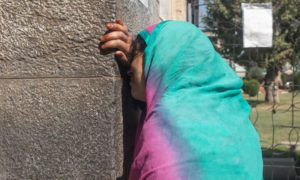
In areas of Srinagar and parts of central Kashmir, groups of mourners gathered to offer prayers and express solidarity with Iran. Religious leaders condemned the strike, describing it as an attack on Muslim leadership and a violation of international norms. Black flags were raised in some Shia-dominated localities, and small processions were reported, with participants raising slogans against the United States and Israel.
Authorities maintained a close watch in sensitive areas to prevent escalation. Police deployment was increased in parts of Srinagar’s downtown and in Budgam district, which has a sizeable Shia population. Officials urged restraint and appealed to community leaders to ensure that protests remained peaceful.
Mainstream political parties in Jammu and Kashmir reacted cautiously, with some leaders calling for de-escalation and dialogue while avoiding direct alignment with either side. Security agencies monitored social media for inflammatory content to prevent unrest.
Overall, while emotions ran high in certain pockets, the situation largely remained under control, with no major incidents of violence reported.