

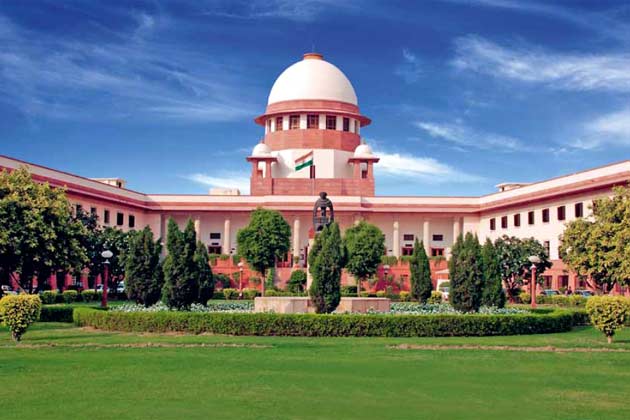

New Delhi: On Friday, the Supreme Court declined to hear a public interest litigation (PIL) that sought a nationwide policy granting menstrual leave for women in schools, colleges, and workplaces. The court remarked that making such leave mandatory could discourage employers from hiring women and might strengthen existing gender stereotypes.
A bench led by Chief Justice Surya Kant and Justice Joymalya Bagchi said that arguments supporting such pleas may unintentionally portray menstruation as a weakness and suggest that women are less capable. While acknowledging that menstrual leave can be viewed as an affirmative right, the judges noted that employers may hesitate if they are required to offer paid leave by law.
The bench was considering a PIL filed by Shailendra Mani Tripathi. During the hearing, the Chief Justice expressed concern about the possible social implications of legally mandating menstrual leave, warning that it could reinforce stereotypes about women in the workplace.
Senior advocate MR Shamshad, representing the petitioner, argued that several states and institutions have already introduced measures related to menstrual leave. He referred to Kerala, where schools have offered certain relaxations, and mentioned that some private companies voluntarily grant menstrual leave to their employees.
In response, the Chief Justice said voluntary policies were positive but cautioned against making them compulsory through legislation. According to him, while voluntary provisions are commendable, mandatory rules could lead employers to avoid hiring women.
The court said that the relevant authorities could consider the petitioner’s representation and evaluate the possibility of creating a policy on menstrual leave after consulting all stakeholders.
The PIL was therefore disposed of, with directions to the authorities to review the representation and make an appropriate decision. The court also noted that since the petitioner had already approached the authorities, it was unnecessary to repeatedly seek judicial intervention for a directive.