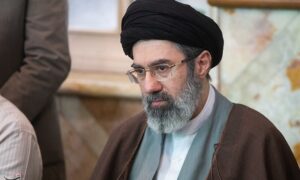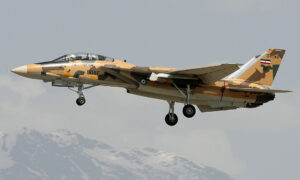


Israel carried out a fresh wave of strikes on Iran early Friday just ahead of a scheduled United Nations Security Council meeting on attacks targeting Iranian civilian infrastructure, Associated Press reported.
With Iran and the United States locked in a diplomatic deadlock, the situation appeared primed for further escalation as the conflict in West Asia approached the one-month mark.
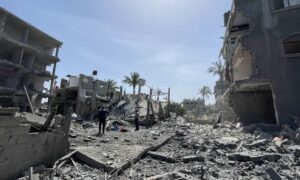
Israel said its latest strikes targeted sites “in the heart of Tehran,” part of a broader plan to intensify attacks on Iran’s weapons production facilities, though no immediate details were available on the damage.
Smoke was also seen rising over Beirut, although Israel did not confirm any strikes on the Lebanese capital. Meanwhile, air raid sirens sounded across Israel as its military worked to intercept incoming Iranian missiles. Iran, for its part, continued launching attacks on Gulf Arab states, with drones and missiles reportedly entering Kuwait and the United Arab Emirates.
The United States has been urging Iran to engage in talks based on a 15-point ceasefire proposal, even as it deploys thousands of additional troops to the region—potentially signalling preparations for a military effort to challenge Iran’s control over the Strait of Hormuz.
Global markets reflected rising tensions. Asian shares declined following Wall Street’s worst session since the war began, amid fading hopes of de-escalation. Oil prices climbed again, with Brent crude reaching $107 per barrel in morning trading—up more than 45% since the conflict began on February 28.
Iran’s tightening grip over shipping through the Strait of Hormuz has heightened fears of a global energy crisis, seen as part of a strategy to pressure the US by disrupting the global economy. A Gulf Arab bloc said Iran has begun charging vessels for safe passage through the strategic waterway, AP reported.
US envoy Steve Witkoff said Washington had sent Iran a 15-point “action list” via Pakistan as part of ceasefire efforts, including curbs on Iran’s nuclear program and reopening the Strait. Iran rejected the proposal and countered with a five-point plan demanding reparations and recognition of its sovereignty over the strait.
As diplomacy faltered, US military presence in the region expanded, including 2,500 Marines aboard naval vessels and at least 1,000 paratroopers from the 82nd Airborne Division, trained for rapid deployment in hostile zones.
The UN Security Council was set to hold closed consultations on Iran on Friday in New York, at Russia’s request, to address U.S.-Israeli strikes on civilian infrastructure. The meeting was scheduled by the United States, which currently holds the council presidency.
The death toll continues to rise. More than 1,900 people have been killed in Iran, according to its Health Ministry. Israel has reported 18 deaths, while at least three Israeli soldiers have been killed in Lebanon. At least 13 U.S. troops have also died.
In Lebanon, over 1,100 people have been killed, while in Iraq, 80 security personnel have died amid involvement by Iranian-backed militias. Additional casualties include four in the occupied West Bank and 20 across the Gulf Arab states.