

The ceasefire between the United States and Iran entered its 16th day on April 23, with Washington pressing Tehran to hand over its stockpile of enriched uranium even as doubts lingered over how long the truce would hold.
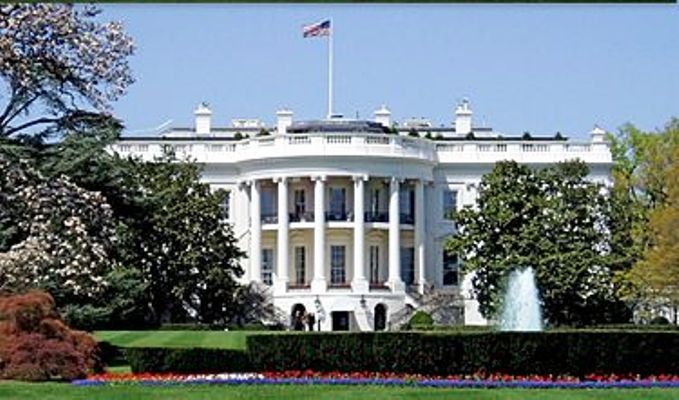
The White House said the ceasefire remained intact, but noted that “Operation Economic Rage” was still underway. Officials added that President Donald Trump had put forward what they described as a “generous offer” and was awaiting a unified response from Iran’s leadership.
Diplomatic uncertainty persisted after Trump extended the ceasefire a day earlier without outlining a clear timeline, while Pakistan continued efforts to mediate between the two sides.
The White House dismissed reports that Trump had set a three-to-five-day deadline for extending the ceasefire. Press secretary Karoline Leavitt said no firm deadline had been imposed, though she confirmed that Washington was still expecting a consolidated reply from Tehran. Separately, Israeli media suggested the US had informally indicated a target of next Sunday for progress.
Iranian President Masoud Pezeshkian said Tehran remained open to negotiations but accused Washington of undermining diplomacy through pressure tactics such as threats, blockades and violations of commitments. He said such actions were the main barriers to meaningful talks.
According to The Wall Street Journal, indirect communication between the two sides continued through intermediaries, but little progress had been made. Iranian negotiators were also reported to have taken a tougher stance after skipping planned talks in Islamabad.
In Lebanon, officials are seeking to extend a separate ceasefire with Israel by at least a month to ease tensions involving Hezbollah. The country’s foreign ministry has advised citizens to leave while commercial flights are still operating.
Lebanese Prime Minister Nawaf Salam accused Israel of repeatedly targeting journalists and obstructing rescue efforts, calling the incidents potential war crimes. The killing of journalist Amal Khalil in southern Lebanon has drawn further condemnation and renewed concerns over the safety of media workers.
Hezbollah said it had launched an attack on Israeli troops in southern Lebanon, describing it as retaliation for repeated ceasefire violations and a recent Israeli raid that reportedly caused casualties.
A government-backed assessment in Lebanon found that more than 50,000 homes were damaged or destroyed during about 45 days of fighting.
Meanwhile, US Central Command said it had ordered 31 vessels to turn back under the naval blockade imposed on Iran, adding that American forces remained deployed across the Middle East.
In Washington, the Pentagon announced the abrupt departure of Navy Secretary John Phelan, following earlier removals of senior military officials. Reports suggested internal disagreements over defence reforms.
The US Senate also rejected a resolution calling for the withdrawal of American forces from operations against Iran.
The International Maritime Organization warned that nearly 20,000 seafarers were stranded in the Persian Gulf due to rising security risks.
Oil prices surged after Iran signalled that the Strait of Hormuz would remain closed amid the ongoing blockade, though prices later eased.
There are tentative signs that fresh talks could resume within the next few days, with reports suggesting a possible restart within 36 to 72 hours.
Despite the tensions, Iran said its national football team remains prepared to compete in the upcoming World Cup, with travel and logistics already in place. Reports have also emerged of a controversial suggestion from a US envoy that Italy could replace Iran in the tournament, though no official decision has been made.