

Israel and Lebanon have agreed to extend their ceasefire by three weeks following talks facilitated by the United States, as Washington continues efforts to broker a wider agreement involving Iran amid an ongoing regional conflict.
The extension was finalised during discussions at the White House, with US President Donald Trump indicating that he is willing to delay a final deal in pursuit of a more durable and long-term resolution. He said the goal was to secure an “everlasting” agreement rather than a temporary truce.
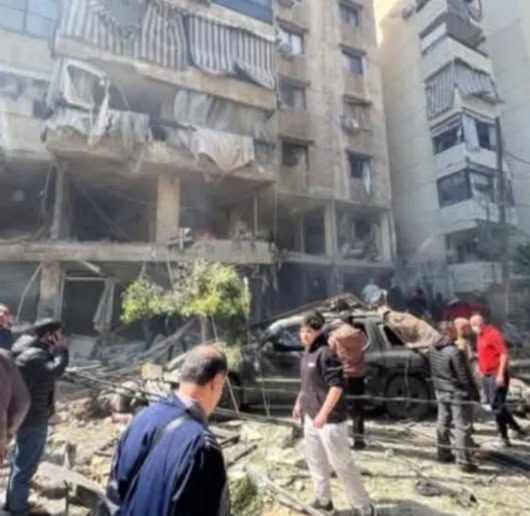
Clashes between Israel and Hezbollah, the Iran-backed armed group based in Lebanon, have been a major obstacle in resolving the broader conflict, now in its eighth week. Tensions are further complicated by disputes over Iran’s nuclear programme and its strategic control over the Strait of Hormuz.
The strait, a vital global shipping route through which nearly a fifth of the world’s oil and liquefied natural gas passes, remains disrupted. Iran’s recent seizure of cargo vessels has heightened concerns over energy security and global economic stability.
Although some commercial ships have managed to pass through, uncertainty continues to affect oil markets, with prices rising amid fears of prolonged disruption. Iran’s actions have underscored its ability to exert pressure despite ongoing military and diplomatic tensions.
Meanwhile, the United States maintains that it holds a strategic advantage in the region, even as it navigates complex negotiations with Tehran. The outcome of these talks is seen as critical to easing broader geopolitical tensions in the Middle East.