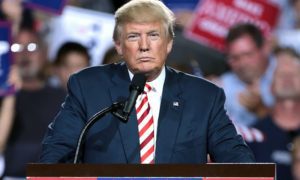



Donald Trump recently said that he had cancelled a planned trip by US envoys to Pakistan for peace talks with Iran, but clarified that the decision did not signal an immediate resumption of hostilities.
“We have all the cards. They can call us anytime they want, but you’re not going to be making any more 18-hour flights to sit around talking about nothing,” Trump told Fox News, referring to the scrapped visit. When asked if that meant fighting would resume, he said, “No. It doesn’t mean that. We haven’t thought about it yet.”
The White House had earlier said senior aides Steve Witkoff and Jared Kushner were to travel to Islamabad for in-person talks with Iranian officials aimed at advancing a potential deal.
The cancellation came shortly after Iranian Foreign Minister Abbas Araghchi concluded a visit to Islamabad, where he met Pakistan Army chief Asim Munir, Prime Minister Shehbaz Sharif and Foreign Minister Ishaq Dar as part of mediation efforts.
Araghchi later travelled to Muscat for meetings with Omani officials and is expected to visit Russia next. He described his Pakistan trip as “very fruitful” and said Iran had shared its position on a “workable framework to permanently end the war,” while adding that it remained to be seen whether Washington was serious about diplomacy.
Despite mediation attempts, prospects for renewed talks remain uncertain. Iranian state media indicated Araghchi had no plans to meet US officials directly, with Islamabad expected to act as an intermediary.
The urgency for a breakthrough has intensified as the Strait of Hormuz — a critical route for global oil and gas supplies — remains effectively closed. Iran’s Revolutionary Guards said they would maintain control over the waterway as part of their strategic deterrence, while warning of retaliation if US naval actions continue.
The US has imposed a counter-blockade on Iranian ports, further escalating tensions. Tehran has allowed only limited shipping through the strait, disrupting global energy flows, though oil prices eased briefly on hopes of renewed negotiations.
On the Lebanese front, Trump earlier announced a three-week extension of a ceasefire, expressing optimism about a broader peace deal. However, Hezbollah leader Mohammed Raad opposed direct talks with Israel, warning such an agreement would lack domestic support.
Israeli Prime Minister Benjamin Netanyahu accused Hezbollah of attempting to undermine the peace process. Despite the ceasefire, Israeli strikes in southern Lebanon on Saturday reportedly killed six people, according to local health authorities.
With diplomacy stalled and tensions persisting across multiple fronts, efforts to restart US-Iran negotiations remain uncertain.