

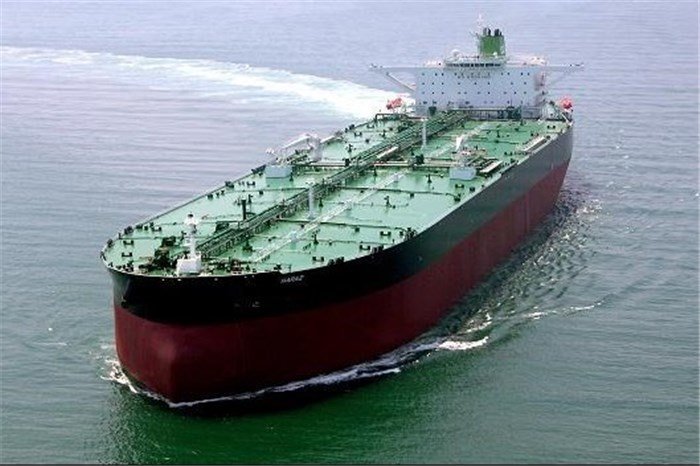

The National Iranian Tanker Company (NITC) Very Large Crude Carrier (VLCC), carrying more than 1.9 million barrels of crude oil valued at nearly $220 million, has bypassed the US Navy and reached the Asia-Pacific region, according to TankerTrackers.com.
The tanker is currently moving through Indonesia’s Lombok Strait and is headed towards the Riau Archipelago.
In a post on X, the monitoring firm described the vessel as “HUGE” and said it was last seen off the coast of Sri Lanka more than a week ago.
TankerTrackers.com said “HUGE” had not transmitted signals on the Automatic Identification System (AIS) since March 20, after leaving the Strait of Malacca for Iran. These observations align with claims by Iranian state media on April 29 that at least 52 ships have breached the American blockade.
Despite these reported breaches, Al Jazeera said US officials maintain that the blockade is effective and has led to billions in lost revenue for Tehran. Washington has said the country cannot export oil and will be forced to store supplies until capacity is exhausted and production stops.
Highlighting the ongoing maritime tensions, US Central Command (CENTCOM) said in a post on X on Saturday that USS New Orleans (LPD-18) was operating in the Arabian Sea to enforce the restrictions. The post read: “USS New Orleans (LPD 18) sails in the Arabian Sea during the U.S. blockade of Iranian ports, April 28. Over the past 20 days, 48 vessels have been redirected to ensure compliance with the blockade.”
Washington has clarified that its naval blockade in West Asia applies only to Iranian ports and coastline and does not extend to the Strait of Hormuz.
Amid these developments, US President Donald Trump said on Saturday that he is reviewing a new proposal from Iran aimed at ending the conflict, but expressed doubts over a possible agreement.
“I’ll let you know about it later,” the President told reporters before boarding Air Force One. He added that “they’re going to give me the exact wording now.”
Soon after, Trump posted on social media, saying he “can’t imagine that it would be acceptable in that they have not yet paid a big enough price for what they have done to Humanity and the World over the last 47 years.”
According to two semi-official outlets, Tasnim and Fars, Tehran has sent a 14-point proposal through a Pakistani intermediary in response to a nine-point framework suggested earlier by the United States. While these outlets reported the development, state-run media has not disclosed details. Pakistan has previously hosted diplomatic engagements between the two sides.
The development follows Trump’s rejection of an earlier Iranian proposal this week. However, diplomatic channels remain open and a ceasefire, now in its third week, appears to be holding.
Alongside these talks, the US President has proposed a separate plan to reopen the Strait of Hormuz. Located at the entrance of the Persian Gulf, the route is a key global chokepoint through which about one-fifth of the world’s oil and natural gas trade passes.
The US has also warned shipping companies they may face sanctions for paying Tehran for safe passage through the Strait. This follows Iran effectively halting traffic by targeting and threatening vessels after the conflict with the US and Israel began on February 28.
Tehran later offered safe passage to select ships through routes closer to its coastline, at times charging fees. On Friday, the US warned against transactions involving not only cash but also “digital assets, offsets, informal swaps, or other in-kind payments,” including charitable contributions and payments made at Iranian embassies.
These measures add to the naval blockade in place since April 13, aimed at cutting off oil revenue critical to Iran’s struggling economy.