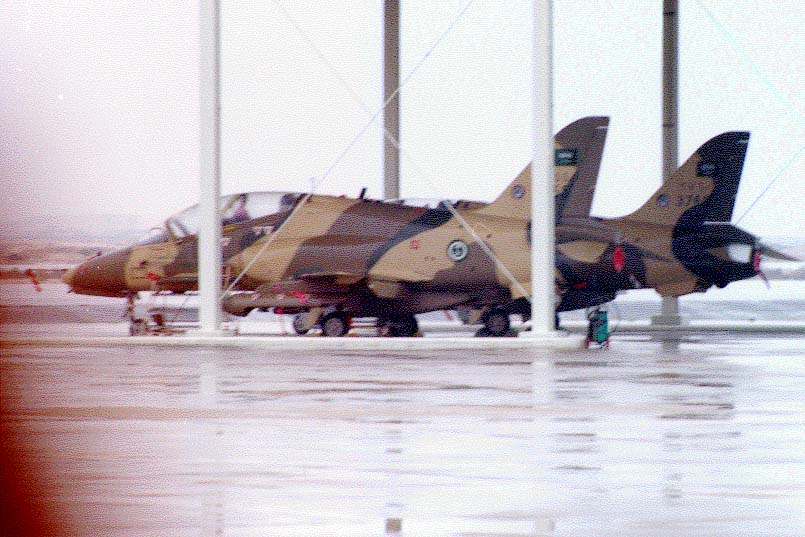
The strikes, carried out by the Saudi Air Force, mark the first known instance of the kingdom conducting direct military action on Iranian soil.
The specific targets could not be independently confirmed.
The attacks were followed by intensive diplomatic engagement between Riyadh and Tehran, along with Saudi warnings of further retaliation, the officials said. This led to an informal understanding between the two countries to de-escalate.
One Iranian official said the arrangement was intended to “cease hostilities, safeguard mutual interests, and prevent the escalation of tensions.”
The de-escalation took effect in the week before Washington and Tehran agreed to a ceasefire in their broader conflict on April 7.
Saudi Arabia did not directly confirm the strikes. A senior Saudi foreign ministry official reiterated the kingdom’s position in favour of de-escalation and regional stability.
The covert strikes underscore how the conflict expanded beyond Iran, Israel and the United States. Since the war began on February 28, Iran has launched missiles and drones at Gulf states, targeting military bases, airports and oil infrastructure, while closing the Strait of Hormuz.
According to a tally of Saudi defence ministry statements, missile and drone attacks on the kingdom dropped from more than 105 during the week of March 25-31 to just over 25 between April 1 and April 6.
Saudi Arabia and Iran restored diplomatic ties in 2023 under a China-brokered agreement after years of hostility.
Despite the covert strikes, communication between the two countries continued throughout the conflict, even as tensions resurfaced during the broader ceasefire.