Across Jammu & Kashmir, a quiet but determined shift is taking shape. The Nasha Mukt Jammu & Kashmir Abhiyan is no longer confined to official announcements or administrative directives.
It is steadily moving onto the streets, into communities, and into public consciousness through padyatras being held at different places across the region.
Initiated and led by Honourable Lieutenant Governor of Jammu & Kashmir, Manoj Sinha, these padyatras are becoming more than symbolic marches.
They are evolving into moving messages of collective responsibility, bringing together citizens, students, officials, and community leaders in a shared stand against the growing drug menace.
Whether in towns, districts, or urban centres, each padyatra carries a strong message: the fight against drugs is not confined to enforcement agencies alone.
It belongs to society collectively. These marches are not about geography.
They are about reach and representation, taking the message from one locality to another and ensuring that no community remains untouched by awareness or accountability.
The strength of these padyatras lies in the nature of participation.
Unlike conventional awareness drives, they invite citizens to step out and become part of the solution.
They create visibility that leads to conversation and transform concern into action. In many ways, they convert a government initiative into a public movement in motion.
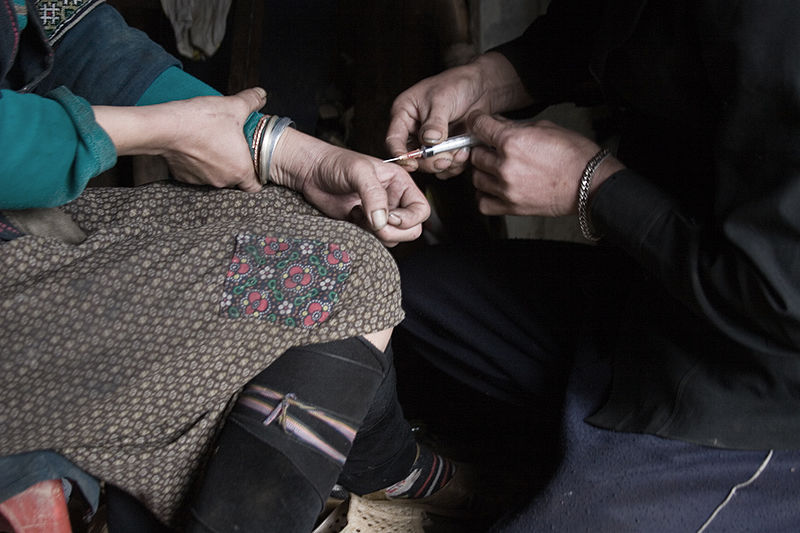
Substance abuse in Jammu & Kashmir today spans multiple forms, including heroin and synthetic narcotics, charas and cannabis derivatives, misuse of prescription and over-the-counter substances, and alcohol, where it contributes to dependency.
This is not a fragmented issue. It is a comprehensive threat affecting health, families, productivity, and social stability. Addressing it requires a response that is equally comprehensive, sustained, and community-driven.
The importance of these marches goes beyond visibility. When leadership walks alongside citizens, it sends a strong signal of commitment, integrity, and accountability.
It bridges the gap between governance and ground reality. A padyatra is not just seen, it is experienced.
It invites people to become stakeholders in the solution and encourages a sense of ownership over the fight against addiction.
By taking the anti-drug message into public spaces, the campaign also reclaims spaces that might otherwise remain disconnected from civic engagement and awareness.
As these padyatras move from one place to another, they create a chain reaction of awareness, gradually shaping a region-wide narrative that can grow stronger if nurtured properly.
For this initiative to succeed, unity is essential. Political parties must rise above ideological divides, religious and sect-based organisations must set aside differences, and civil society must act in coordination.
Drug abuse does not recognise identity. Its impact is universal, and so must be the response.
The long-term success of this movement also depends on those who shape thought and behaviour within society.
Religious leaders can reinforce discipline, responsibility, and moral clarity within communities, especially among youth who remain the most vulnerable.
Teachers and educational institutions can guide young people, identify early warning signs, and propagate values that strengthen resilience against addiction.
Their involvement ensures that the message extends beyond public events and becomes part of everyday life, creating a culture of prevention, awareness, and support within communities.
The real litmus test of the Nasha Mukt J&K Padyatra lies in its continuity. If it remains a series of isolated events, its impact will be limited.
But if it develops into a people-led movement, it can redefine the region’s response to substance abuse.
That transformation will require conversations within families, active engagement by communities, leadership from youth, and the consistent reinforcement of social and moral values.
The padyatras across Jammu & Kashmir have already set a direction. They have brought visibility, urgency, and participation into the fight against drugs.
But a march alone cannot win this battle. It must become a movement sustained not by chance, but by collective choice and shared responsibility.
Policy alone cannot build a drug-free Jammu & Kashmir. It requires society itself to walk together with purpose.












Across Jammu & Kashmir, a quiet but determined shift is taking shape. The Nasha Mukt Jammu & Kashmir Abhiyan is no longer confined to official announcements or administrative directives.
It is steadily moving onto the streets, into communities, and into public consciousness through padyatras being held at different places across the region.
Initiated and led by Honourable Lieutenant Governor of Jammu & Kashmir, Manoj Sinha, these padyatras are becoming more than symbolic marches.
They are evolving into moving messages of collective responsibility, bringing together citizens, students, officials, and community leaders in a shared stand against the growing drug menace.
Whether in towns, districts, or urban centres, each padyatra carries a strong message: the fight against drugs is not confined to enforcement agencies alone.
It belongs to society collectively. These marches are not about geography.
They are about reach and representation, taking the message from one locality to another and ensuring that no community remains untouched by awareness or accountability.
The strength of these padyatras lies in the nature of participation.
Unlike conventional awareness drives, they invite citizens to step out and become part of the solution.
They create visibility that leads to conversation and transform concern into action. In many ways, they convert a government initiative into a public movement in motion.
Substance abuse in Jammu & Kashmir today spans multiple forms, including heroin and synthetic narcotics, charas and cannabis derivatives, misuse of prescription and over-the-counter substances, and alcohol, where it contributes to dependency.
This is not a fragmented issue. It is a comprehensive threat affecting health, families, productivity, and social stability. Addressing it requires a response that is equally comprehensive, sustained, and community-driven.
The importance of these marches goes beyond visibility. When leadership walks alongside citizens, it sends a strong signal of commitment, integrity, and accountability.
It bridges the gap between governance and ground reality. A padyatra is not just seen, it is experienced.
It invites people to become stakeholders in the solution and encourages a sense of ownership over the fight against addiction.
By taking the anti-drug message into public spaces, the campaign also reclaims spaces that might otherwise remain disconnected from civic engagement and awareness.
As these padyatras move from one place to another, they create a chain reaction of awareness, gradually shaping a region-wide narrative that can grow stronger if nurtured properly.
For this initiative to succeed, unity is essential. Political parties must rise above ideological divides, religious and sect-based organisations must set aside differences, and civil society must act in coordination.
Drug abuse does not recognise identity. Its impact is universal, and so must be the response.
The long-term success of this movement also depends on those who shape thought and behaviour within society.
Religious leaders can reinforce discipline, responsibility, and moral clarity within communities, especially among youth who remain the most vulnerable.
Teachers and educational institutions can guide young people, identify early warning signs, and propagate values that strengthen resilience against addiction.
Their involvement ensures that the message extends beyond public events and becomes part of everyday life, creating a culture of prevention, awareness, and support within communities.
The real litmus test of the Nasha Mukt J&K Padyatra lies in its continuity. If it remains a series of isolated events, its impact will be limited.
But if it develops into a people-led movement, it can redefine the region’s response to substance abuse.
That transformation will require conversations within families, active engagement by communities, leadership from youth, and the consistent reinforcement of social and moral values.
The padyatras across Jammu & Kashmir have already set a direction. They have brought visibility, urgency, and participation into the fight against drugs.
But a march alone cannot win this battle. It must become a movement sustained not by chance, but by collective choice and shared responsibility.
Policy alone cannot build a drug-free Jammu & Kashmir. It requires society itself to walk together with purpose.