
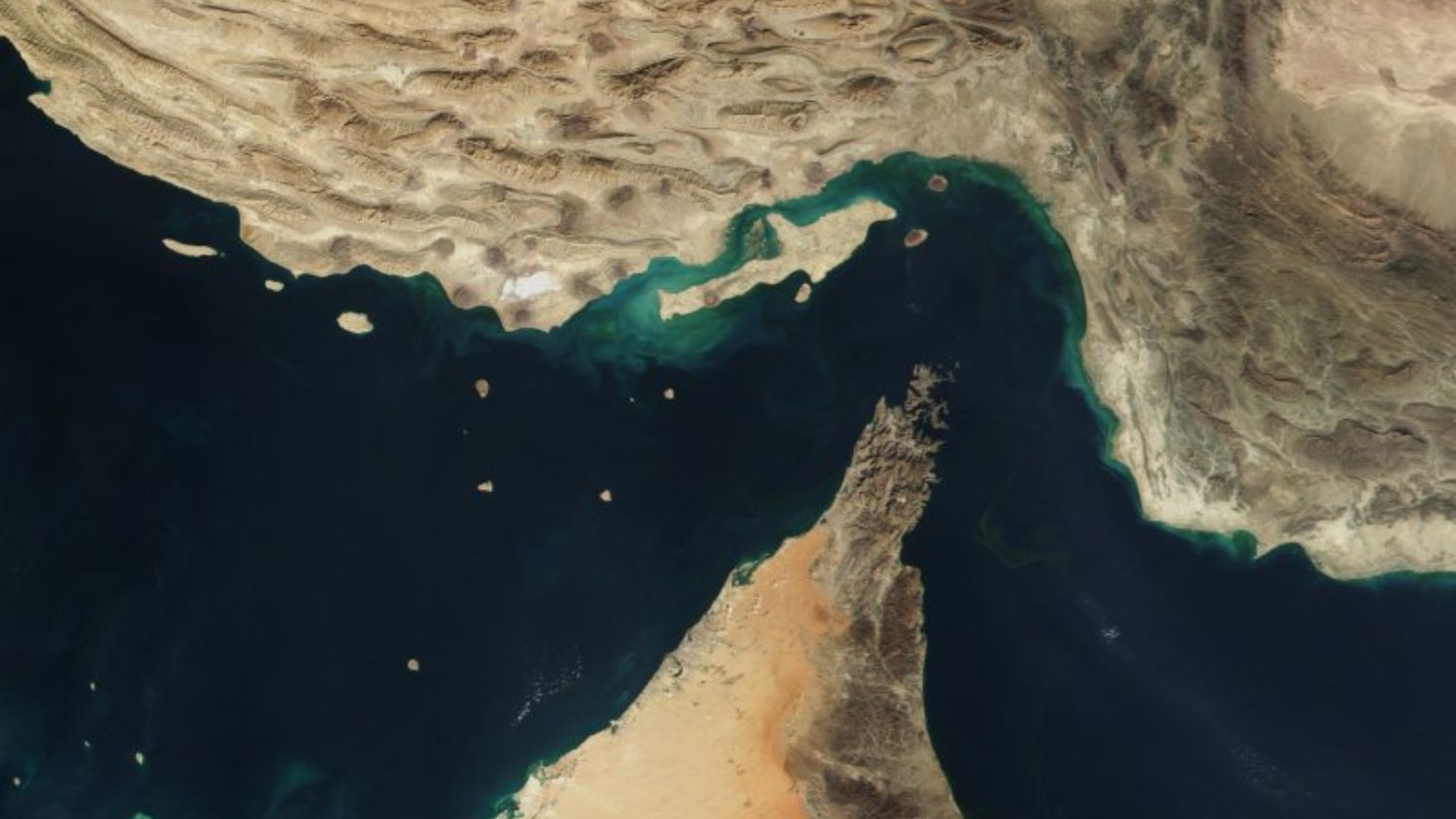

Two Chinese supertankers carrying around 4 million barrels of Iraqi crude oil have exited the Strait of Hormuz, raising hopes that the US-Iran conflict may be nearing a resolution.
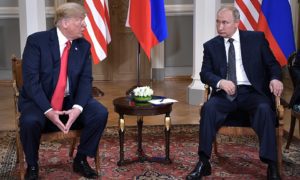
The vessels, Yuan Gui Yang and Ocean Lily, passed through the strategic waterway as US President Donald Trump and Vice President JD Vance expressed optimism about ongoing negotiations with Tehran.
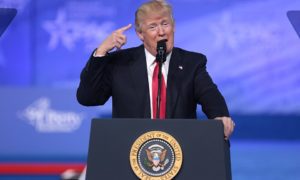
“We’re in a pretty good spot here,” Vance said during a White House briefing, while Trump told reporters that the war could end “very quickly.”
Trump said he had been “an hour away” from authorising renewed military strikes before deciding to hold off after receiving a new proposal from Iran. He added that Iranian leaders were “begging for a deal,” but warned that the United States could resume attacks within days if negotiations fail.
Iran’s latest proposal reportedly includes demands for the lifting of sanctions, the release of frozen assets, an end to the U.S. naval blockade, and compensation for damage caused by U.S. and Israeli strikes.
The conflict, which began nearly three months ago, has severely disrupted global energy markets, stranding hundreds of tankers and damaging shipping and energy infrastructure across the region.
Oil prices briefly fell on the positive signals from Washington, with Brent crude dropping to as low as $110.16 per barrel before recovering some losses.
According to Reuters, the two Chinese tankers were among the first large vessels to successfully leave the Gulf this month, offering a tentative sign that maritime traffic through the Strait of Hormuz may begin to normalise if the ceasefire continues to hold.
Despite the optimistic rhetoric, Vance acknowledged that negotiations remain difficult due to divisions within Iran’s leadership.
The ceasefire between Iran and the United States has largely held since early April, though tensions remain high and drone attacks launched from Iraq have recently targeted Gulf states, including Saudi Arabia and Kuwait.