

Israel and Lebanon have agreed to implement a ceasefire aimed at ending months of cross-border hostilities, the United States said on Wednesday, in a move that could support wider diplomatic efforts involving Iran and regional security.
According to a joint statement released by the US State Department following negotiations in Washington, the agreement is contingent on a complete cessation of attacks by Hezbollah and the withdrawal of the group’s operatives from the area south of the Litani River in southern Lebanon.
The announcement comes as tensions continue across the region despite ongoing diplomatic efforts to reduce hostilities. Earlier on Wednesday, attacks linked to the broader conflict disrupted operations at Kuwait International Airport, with Kuwaiti authorities reporting casualties and damage to airport facilities.
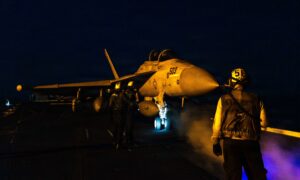
The U.S. military said it also carried out strikes against missile launch sites and other targets in southern Iran after what it described as attempted attacks on American interests in the Gulf region.
The ceasefire between Israel and Lebanon follows an earlier agreement reached last month that failed to fully halt violence. Israel launched military operations in Lebanon earlier this year, citing security threats from Hezbollah, which had been conducting attacks across the border.
Diplomatic efforts to secure a broader understanding between Washington and Tehran remain ongoing. Iranian Foreign Minister Abbas Araqchi said negotiations had not been terminated but acknowledged that progress remained limited.
U.S. President Donald Trump said discussions were continuing and suggested that developments could occur in the coming days. He also indicated that efforts were underway to separate negotiations concerning regional shipping routes from the conflict in Lebanon.
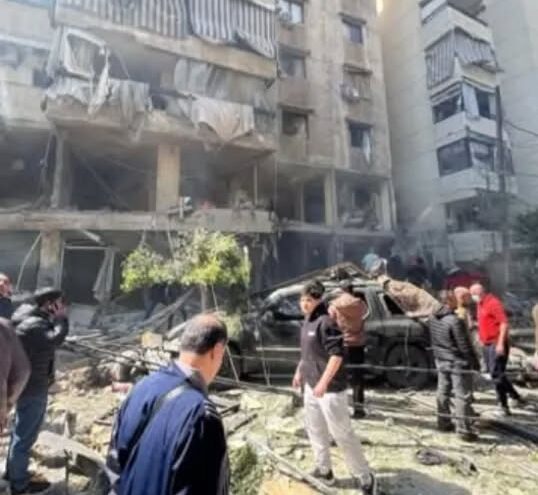
Despite the ceasefire announcement, violence continued on Wednesday. Lebanese security sources reported Israeli drone strikes in southern Lebanon, while Israel said it had intercepted an aerial threat believed to have originated from Hezbollah-controlled territory.
The conflict has disrupted regional trade and energy markets, particularly around the Strait of Hormuz, a critical route for global oil shipments. Oil prices rose following reports of renewed military activity and continued restrictions on maritime traffic.
Officials from all sides have indicated that further negotiations will be necessary to address broader regional disputes and secure a lasting reduction in hostilities.