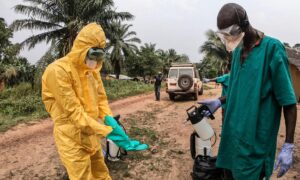

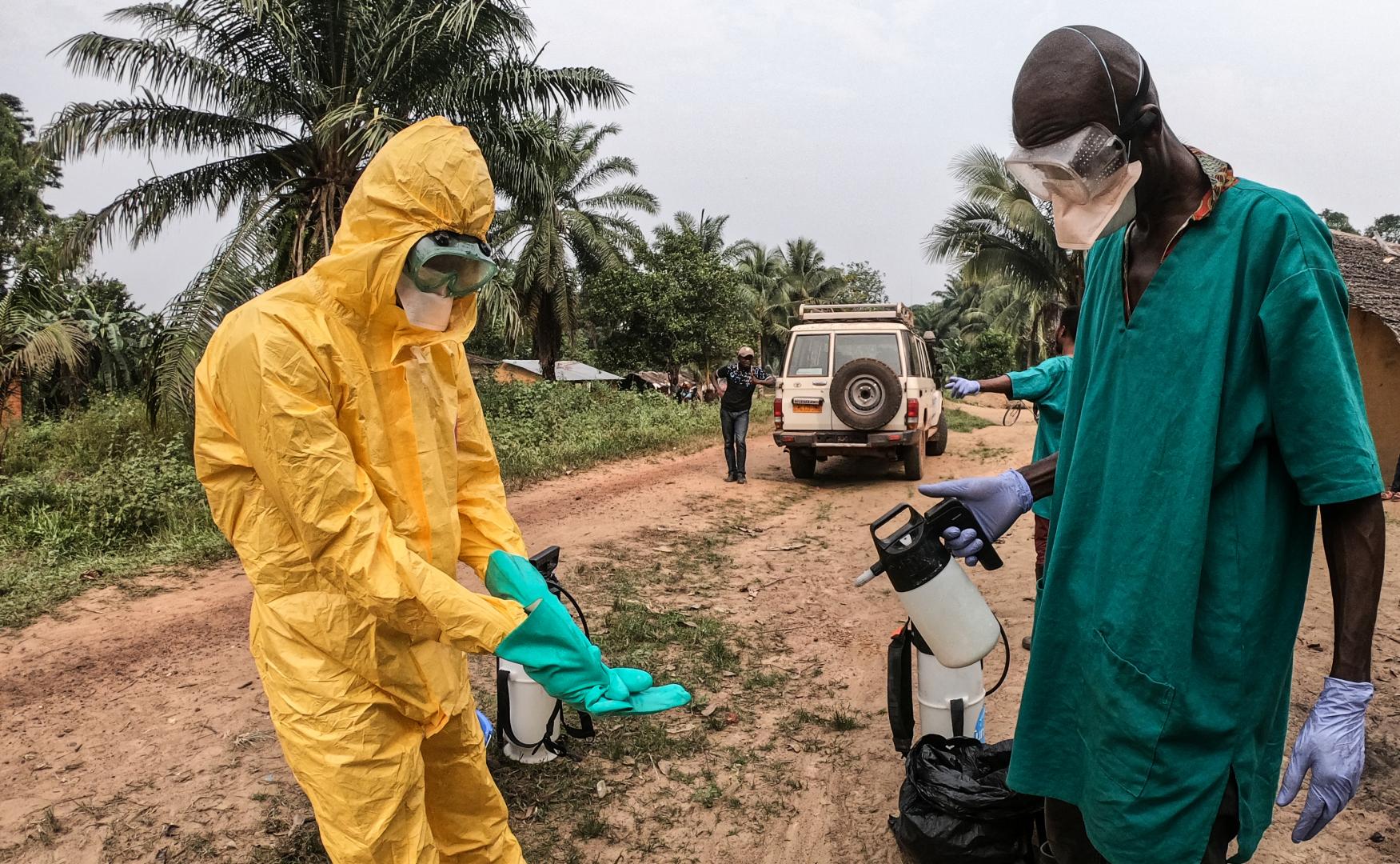

Health authorities are accelerating efforts to contain a growing Ebola outbreak in East Africa as cases continue to rise in the Democratic Republic of the Congo (DRC) and neighbouring Uganda, where infections have now been reported in the capital, Kampala.
The outbreak, caused by the rare Bundibugyo strain of the Ebola virus, was declared by the Africa Centres for Disease Control and Prevention on May 15. Two days later, the World Health Organization (WHO) declared a public health emergency.
According to WHO data released this week, the DRC has recorded 321 confirmed cases and 48 deaths, with an additional 116 suspected infections under investigation. Uganda has confirmed 15 cases and at least one death.
Health officials have expressed concern that the outbreak is spreading faster than containment efforts, particularly in eastern DRC, where ongoing conflict has complicated access to affected communities.
“The humanitarian situation is already challenging, and the outbreak is occurring in an area affected by insecurity and limited healthcare resources,” aid organisations working in the region have said.
The current outbreak is linked to the Bundibugyo strain of Ebola, a less common variant first identified in Uganda in 2007. Unlike the more widespread Zaire strain, there is currently no approved vaccine for Bundibugyo Ebola.
In response, the Coalition for Epidemic Preparedness Innovations (CEPI) announced funding for three vaccine candidates that will be evaluated for emergency trials.
The projects involve the International AIDS Vaccine Initiative (IAVI), Moderna and the University of Oxford. The vaccines are expected to be manufactured by the Serum Institute of India.
Health experts cautioned that vaccine development and testing will still require time, even under accelerated procedures.
Meanwhile, WHO advisers have recommended the use of experimental therapeutic treatments previously developed for other Ebola strains as health workers attempt to reduce fatalities.
Public health officials are also facing challenges beyond the disease itself. In parts of eastern DRC, misinformation, mistrust of health authorities and ongoing violence have disrupted containment efforts. Last month, protesters in Ituri province reportedly set fire to an Ebola treatment facility after a dispute over burial procedures.
Experts say the success of containment efforts will depend on rapid case detection, contact tracing, treatment access and public cooperation while vaccine research continues.
The 2014-16 West African Ebola epidemic remains the deadliest outbreak on record, infecting nearly 29,000 people and causing more than 11,000 deaths.