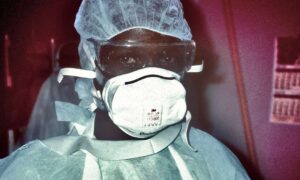


At least 100 people have died from Ebola in less than a month since an outbreak was declared in eastern Congo on May 15, with health authorities struggling to contain the spread amid armed conflict and attacks on frontline workers.
According to the latest situation report released late Monday, 550 cases had been confirmed as of Sunday, including 101 deaths and 19 recoveries.
The outbreak is centred in Ituri province, which accounts for more than 90% of reported cases. Infections have also been detected in North Kivu and South Kivu provinces, while the disease has spread across the border into Uganda.
Health officials believe the actual number of infections could be higher because the outbreak was identified weeks after it began. Efforts to respond have also been complicated by the absence of an approved vaccine or treatment for the virus involved.
The current outbreak is linked to the rare Bundibugyo strain of Ebola, for which no approved vaccine or treatment exists. This differs from the “Zaire virus,” another name for the Ebola virus responsible for most of Congo’s previous 16 Ebola outbreaks.
Authorities said the sharp rise in reported cases is partly due to expanded diagnostic capacity, which has allowed testing of a backlog of previously collected samples.
Response efforts continue to face obstacles from attacks on health workers by angry residents, scepticism among some communities and insecurity caused by armed rebel groups. Many affected areas remain difficult to access, while health workers have been operating with limited pay and little rest.
Eastern Congo has long been affected by violence involving dozens of rebel and militant groups, some linked to foreign countries and the extremist Islamic State group.
Conflict is “constraining access for the response, disrupting surveillance and response activities, and increasing the risk of undetected transmission,” the World Health Organization said Monday.
“Such incidents underline the challenges of the context and the importance of working closely with local leaders and communities,” WHO added.