

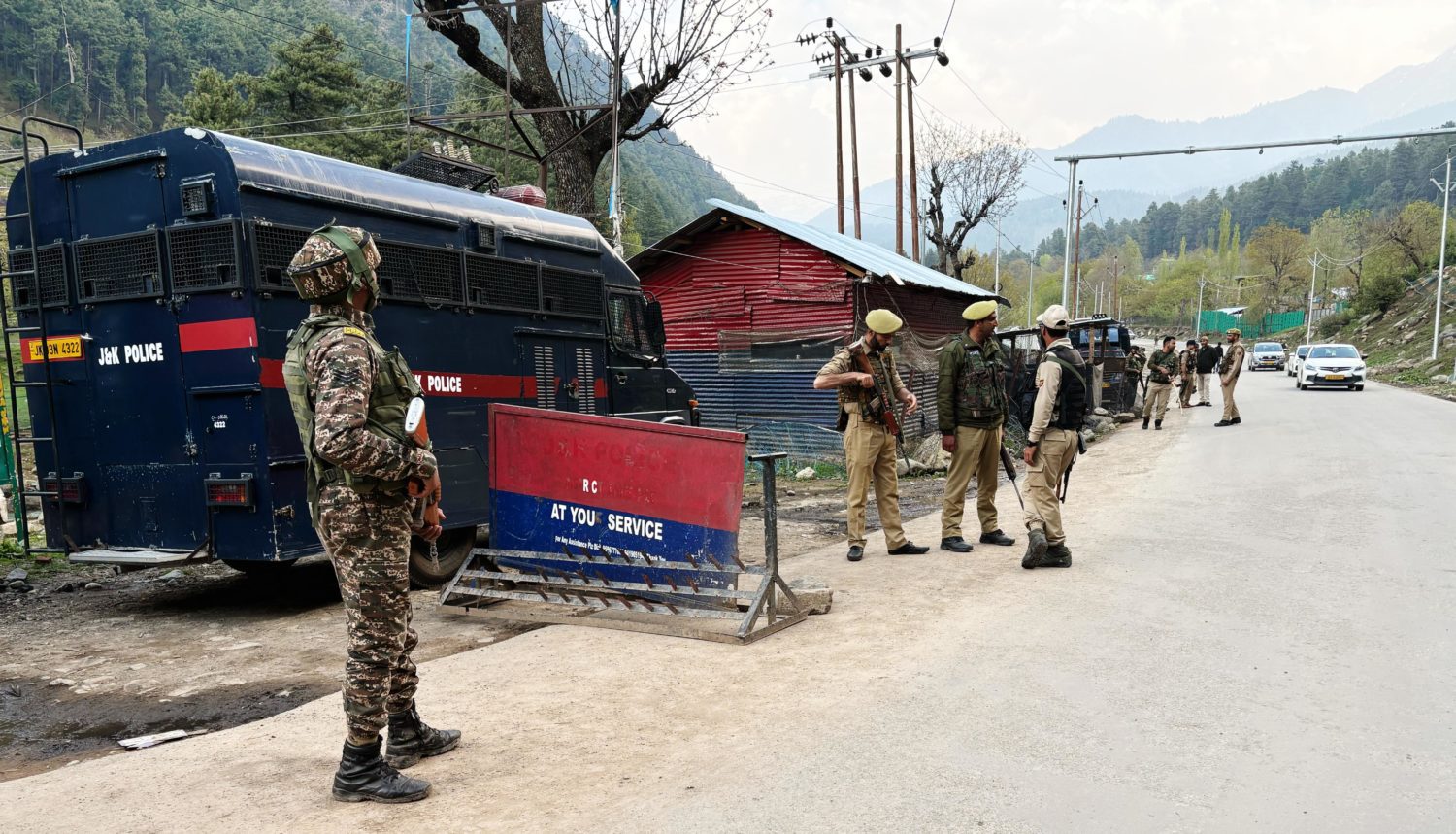

Srinagar: Cross-border drones were able to deliver weapons and ammunition deep into Kashmir, reaching as far as Baramulla district without being detected, according to a chargesheet filed by the National Investigation Agency (NIA) in connection with last year’s Pahalgam attack.
The NIA’s detailed investigation traced the movements of the terrorists responsible for the attack on the Baisaran meadows in Pahalgam in April last year. The assault claimed the lives of 26 people, most of them tourists.
Following the attack, Indian security forces launched Operation Sindoor, targeting and destroying terrorist infrastructure across the border, PTI reported.
Security analysts reviewing the chargesheet have identified a decline in human intelligence (HUMINT) gathering between 2022 and 2024 as a major factor that allowed the terrorist network to operate across the Valley without attracting attention.
The investigation reveals a significant shift in terrorist logistics. Instead of relying primarily on traditional infiltration routes along the Line of Control (LoC), handlers across the border increasingly used unmanned aerial vehicles (UAVs) to transport weapons, explosives, and cash, as reported by PTI.
Officials stated that these drones successfully bypassed multiple layers of security and delivered supplies directly to terrorist cells operating in Baramulla district of north Kashmir. The Gogal Dara forests in Baramulla are believed to have emerged as a preferred drone-drop location due to their direct line of sight from across the border.
While the chargesheet carefully documents how the attackers blended into local surroundings before carrying out the strike, it has also prompted concerns among security experts about vulnerabilities within the intelligence system.
The report quoting experts said that during the 2022-2024 period, excessive dependence on technical surveillance and a weakening of local intelligence networks created operational gaps. These shortcomings may have enabled terrorists to identify targets, receive drone-delivered weapons, and execute the attack without triggering security alerts.
The NIA stated in its chargesheet that a drone drop carried out in the Gogal Dara forest in early 2024 delivered 20 pistols, Rs15 lakh in cash, and triangular-shaped explosive devices, described as Chinese-made grenades.
Analysts also believe terrorist groups have increasingly used higher-altitude mountain regions as safe hideouts. They recommend that security agencies reassess their strategies and rebuild trust with the Gujjar and Bakerwal nomadic communities, often regarded as the “eyes and ears” of the mountains.
With a combined population of around 2.3 million, the Gujjar and Bakerwal tribes have historically played a vital role in counterinsurgency operations because of their deep understanding of the terrain and longstanding cooperation with security agencies.
The NIA chargesheet provides a detailed account of the terrorists’ movements before the Baisaran attack, indicating that they travelled through both mountainous and urban areas without being detected. Security experts believe this was largely due to deficiencies in human intelligence networks, the news agency reported.